Pet rabbits: 4 things to know to keep them healthy
Hay as the main meal, space and a rabbit friend, protection from heat, and why a rabbit that stops eating is an emergency: four essentials for pet rabbits.
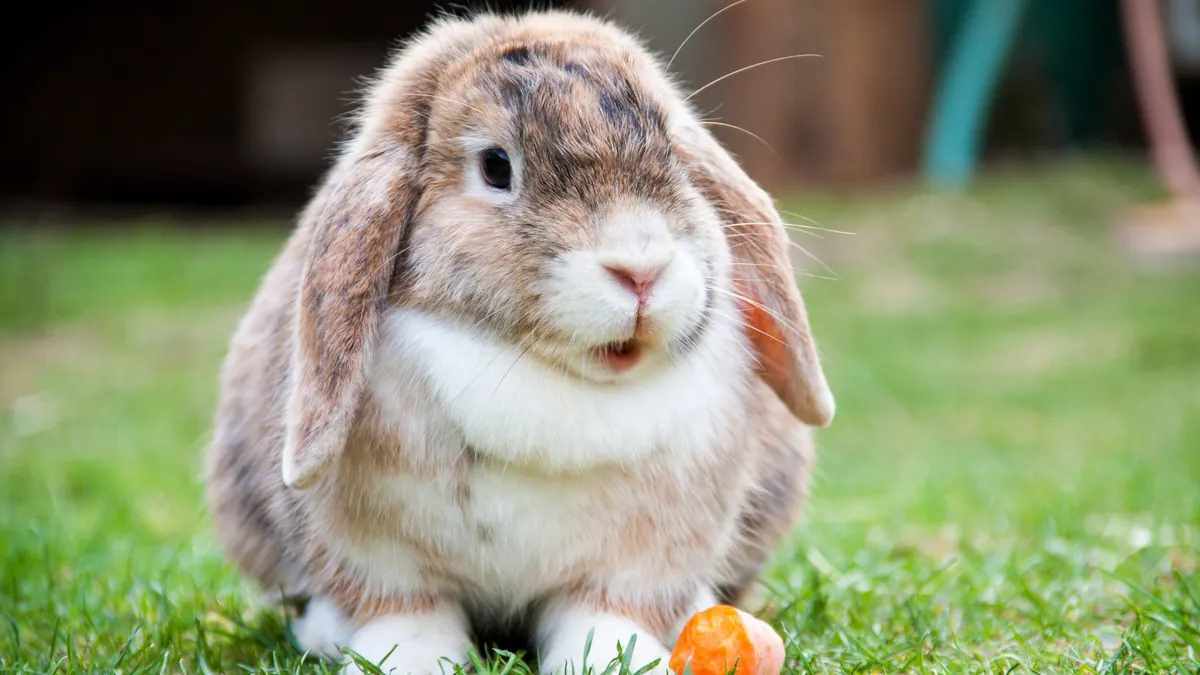
Pet rabbits are gentle and clean, can learn to use a litter tray, and become very affectionate once they trust you. But rabbits are not the "easy" pet many people imagine. The RSPCA says rabbits typically live for 8 to 12 years, need plenty of space, need the company of another rabbit, and need a vet who understands rabbits. Here are four things to get right before and after you bring a rabbit home, based on advice from the RSPCA, PDSA, Blue Cross and VCA.
Before you bring a rabbit home
Choose a seller or rescue group that can tell you where the rabbits come from, keeps clean enclosures and does not crowd too many rabbits together. A healthy rabbit usually has bright eyes, a dry nose, a clean coat, a clean rear end with no stuck droppings, and a normal appetite. Ask about sex, age and current food so you can change the diet gradually at home.
If you can, set up the living space first and find a clinic with a vet experienced in exotic pets, because not every clinic treats rabbits.
1. Hay is the main meal, not carrots
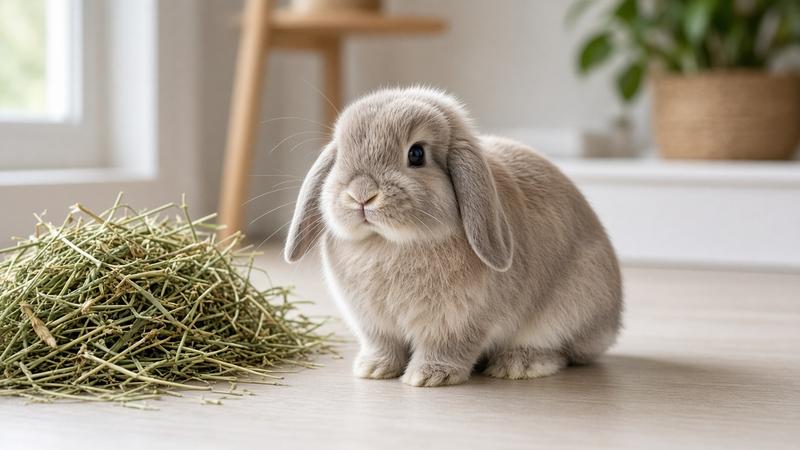
A rabbit's gut and teeth are built for chewing grass all day. The RSPCA notes that a rabbit's front teeth grow about 2–3 mm a week, and constant chewing on hay helps wear them down evenly. The Rabbit Welfare Association & Fund (RWAF) and Blue Cross recommend:
- Hay or fresh grass making up about 85–90% of the diet. Each rabbit needs a bundle of hay about the size of its own body every day, and hay should always be available.
- Leafy greens making up about 10%.
- Pellets making up only about 5%, in a small amount following the pack instructions.
Carrots and sugary fruit are treats, so give very little. Blue Cross warns against feeding lawnmower clippings, which can upset the gut. Avocado is also dangerous for rabbits, as ASPCA lists in our article on foods that are dangerous for dogs and cats.
In Vietnam, rabbit hay such as timothy is usually imported. Humid weather can make hay go mouldy, so store it in a sealed container in a dry place and throw away any hay that smells bad, is dusty or shows mould.
2. Rabbits need space and a friend
The small cage often sold with a rabbit is not enough. The RSPCA advises at least 3 x 2 x 1 m of space so rabbits can run, hop, stand up, hide and exercise. In an apartment, you can fence off a safe corner of a room as your rabbit's home, with hiding places, a litter tray and hay.
Rabbits are social animals. The RSPCA recommends keeping rabbits in properly bonded pairs, for example a neutered male and a neutered female, as neutering reduces fighting. A rabbit should only live alone if a vet advises it, and then you need to spend time interacting with it every day. Ask your vet about the right time to neuter and how to introduce two rabbits.
Rabbits love to chew. Before letting your rabbit roam indoors, cover electrical cables or move them out of reach, and put away shoes, houseplants and small objects it could swallow. Rabbits are prey animals and usually dislike being lifted, so sit on the floor to bond rather than picking them up.
3. Heat is a major danger in a hot climate
PDSA explains that rabbits have dense fur and do not pant or sweat, so they are at high risk of heatstroke. Their living space should ideally stay at about 18–20°C. Vietnamese summers are usually much hotter, so:
- Keep your rabbit indoors in a cool, well-ventilated space, away from direct sun, sunny balconies and glass rooms.
- Provide fresh, cool water at all times, placed in the shade.
- On very hot days, keep your rabbit in an air-conditioned room or give it a frozen water bottle wrapped in a towel to lie against.
- Never leave a rabbit in a car, not even for a few minutes.
Signs of heatstroke include red, hot ears, fast or open-mouth breathing, drooling, lethargy, trembling, wobbliness and seizures. Move your rabbit somewhere cool straight away, cool it gently with cool water and call a vet. If you need to travel with your pet, see the tips in our article on moving and travelling with pets.
Hot weather also brings flies. The RSPCA advises checking your rabbit's rear end and tail twice a day in summer, because flies can lay eggs on dirty or damp fur, and the maggots that hatch can cause very serious injuries (flystrike). If you see maggots or a wound, take your rabbit to a vet immediately. Keep the litter tray clean, change bedding often, and pay extra attention to overweight or older rabbits that struggle to clean themselves.
4. A rabbit that stops eating is an emergency
For a rabbit, not eating is never minor. VCA explains that when a rabbit stops eating, its gut can slow down or stop (often called GI stasis), gas-producing bacteria multiply, and the pain makes the rabbit want to eat even less. A rabbit can go from feeling unwell to a life-threatening condition within hours.
Call a vet the same day if your rabbit:
- Eats much less or nothing at all, even favourite foods.
- Passes fewer, smaller or no droppings.
- Has a bloated belly, sits hunched in one spot or grinds its teeth (a sign of pain, according to the RSPCA).
- Drools, has runny eyes or nose, or struggles to chew, which can be caused by overgrown teeth.
Do not give medicines or home remedies without a vet's advice. The best prevention is a diet high in hay and low in starch and sugar, as in point 1.
Keep records for the long run
Because rabbits live for many years, keep a record of weight, diet, neutering, vet visits and any vaccines your vet recommends. You can store this in the health profile in the PetID app and open it for the vet at each visit. If you have other small pets, also read our hamster care guide.
Sources: RSPCA – Rabbits, RSPCA – Rabbit companionship, Blue Cross – What food is best for rabbits, Rabbit Welfare Association & Fund, RSPCA – Keeping rabbits cool in summer, PDSA – Heatstroke in rabbits, VCA – Gastrointestinal stasis in rabbits.