Moving or traveling with dogs and cats: a checklist so your pet does not get lost
Moving or traveling is when pets panic and go missing most. Checklist for papers, gear, a QR collar, and how to help dogs and cats settle in a new place.
Why do pets get lost more easily when you move or travel?
To your pet, home is a familiar world of smells, sounds, and sleeping spots. When you move or travel, everything changes at once, so pets panic, hide, or bolt out the door. On packing day, doors stay open and strangers come and go—that is when pets sneak out most often. In a new place, they do not know the way back, so if they run off it is hard to return on their own, especially for cats. Preparing a few days ahead cuts most of this risk. This post is a checklist to help you and your pet travel more safely.
Before you go: update the QR collar and your pet's profile
The most important step is making sure that if your pet runs off, a finder can still reach you. Put a PetID QR collar or ID tag on your pet, and check that it fits snugly and will not slip off. If you change your phone number or address, update the contact details in the PetID App before you leave. Take a few new, clear face and full-body photos and save them in the profile. Check the electronic vaccine record; if a vaccine or follow-up visit is due soon, ask the vet how to arrange it around the trip.
Pet gear checklist
Pack a dedicated bag for your pet:
- A sturdy carrier or travel bag with airflow vents and a secure lock.
- A spare leash and collar.
- Familiar food for several days—avoid sudden diet changes.
- Bowls, drinking water, a litter box and litter for cats, and poop bags for dogs.
- Toys, a towel, or a bed that smells like home to ease stress.
- Any medicines your pet is on, as prescribed by the vet.
- The vaccine book and related papers, both paper copies and the in-app backup.
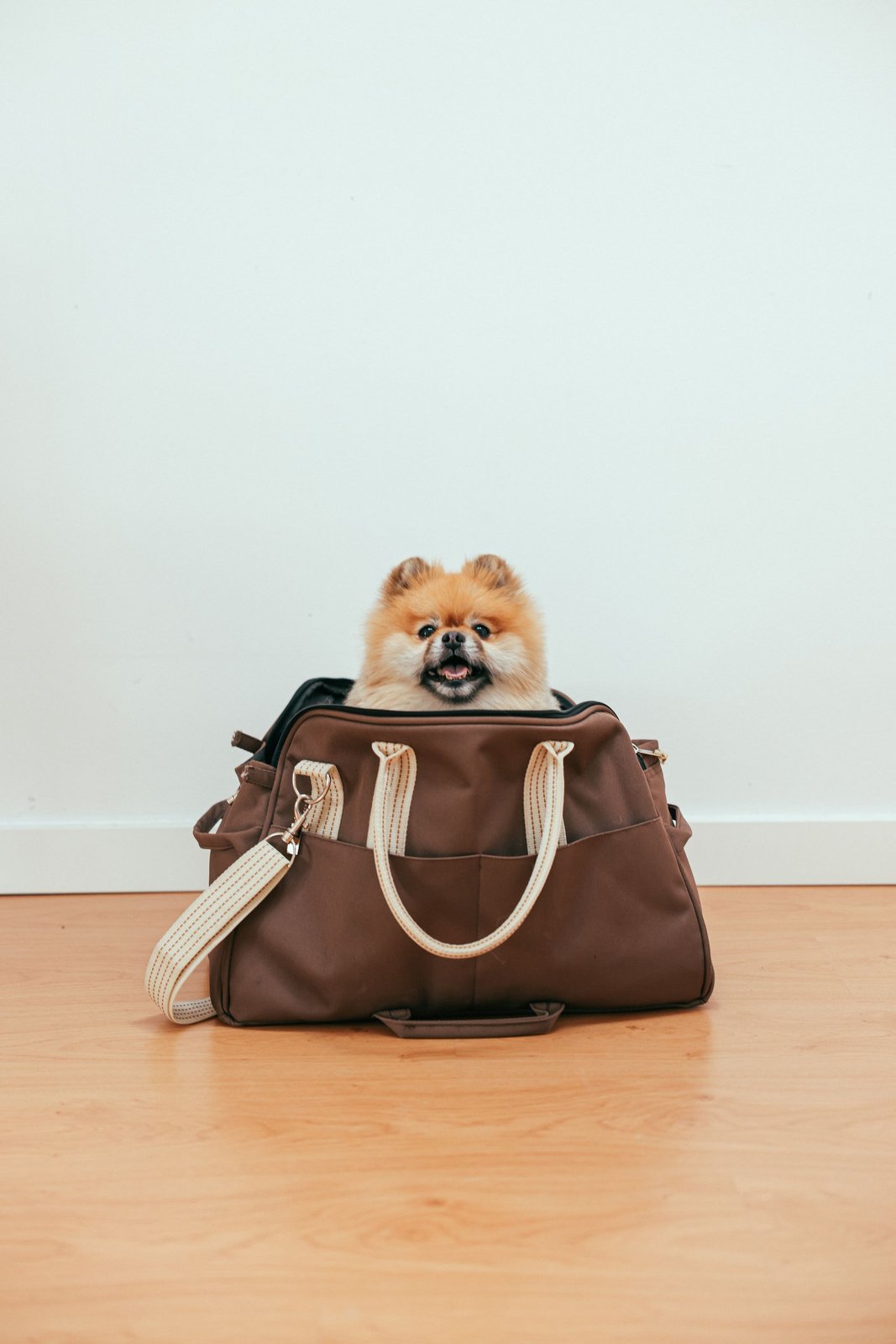
Moving day and on the road
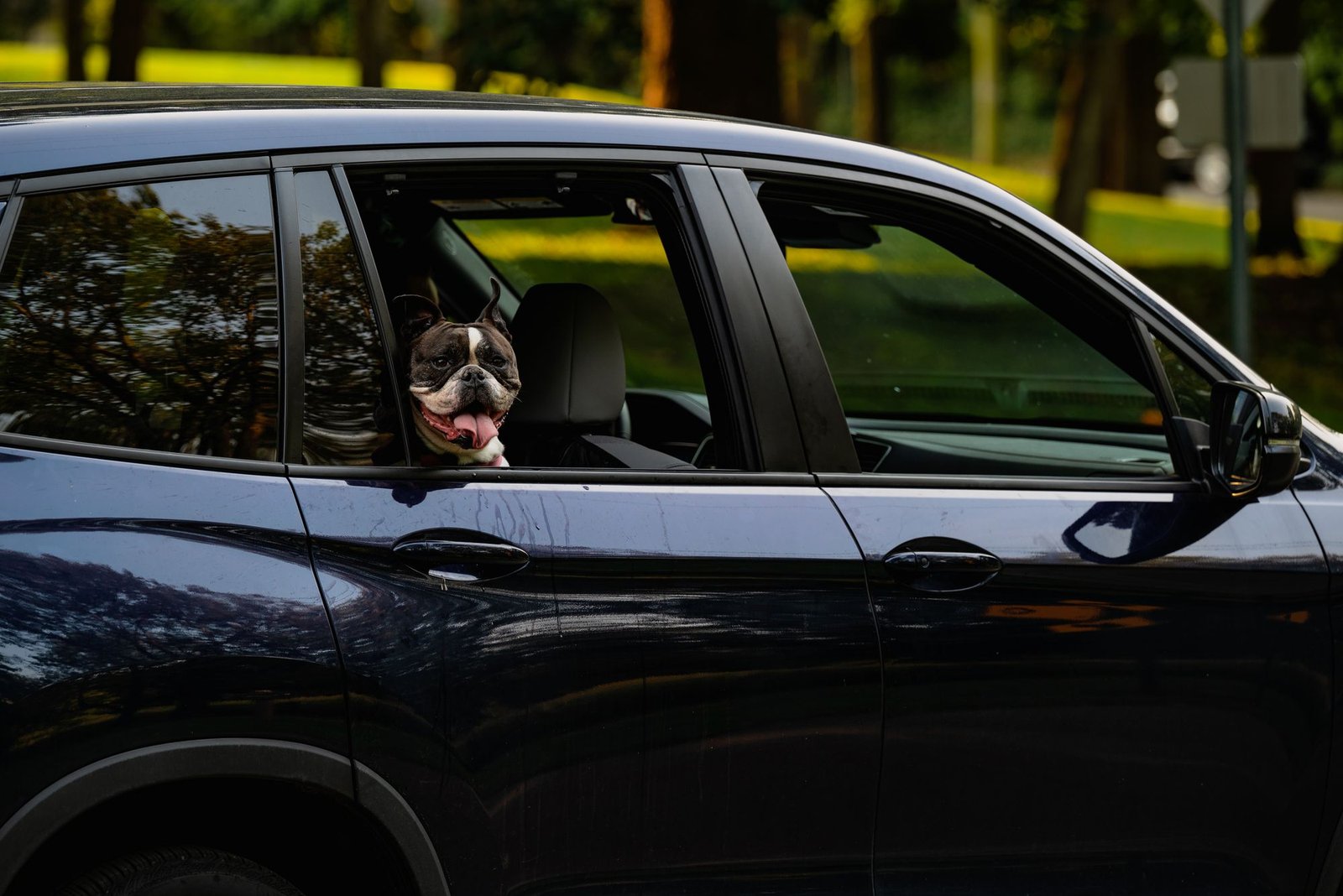
On packing day, keep your pet in a quiet room with the door closed and a note saying "Pet inside—please keep the door closed." If you can, leave them with family or a familiar sitter for that day. On the road, always keep your pet in the carrier—do not open it when the car stops in an unfamiliar place. On long trips, let them rest, drink water, and potty in a safe spot, always on a leash. Never leave your pet alone in a closed car, especially in hot weather. If they get carsick or very stressed, ask the vet before the trip—do not give medicine on your own.
At the new place: help your pet settle in
When you arrive, do not let your pet roam the whole house at once. Choose a small room, set out familiar items, water, food, and a litter box, and let them adjust gradually over a few days. Check windows, balconies, gaps, and screens before opening other areas. For cats, keep them indoors for at least the first few weeks. For dogs, walk the new neighborhood on a leash so they learn the smells and routes. Keeping the same meal and play times helps them feel secure. This is also a good time to introduce the local clinic to your pet's records.
What if your pet runs off in a new place?
Do not wait. Search right away around the new home and along the route back to the old one if it is nearby. Turn on a lost alert in the PetID App and post on the lost-pet community as soon as you can, with recent photos and the area where they went missing. Ask security, neighbors, and nearby clinics to keep an eye out.
Moving or traveling soon? Check the QR collar, update the profile in the PetID App, and pack your pet's bag today!