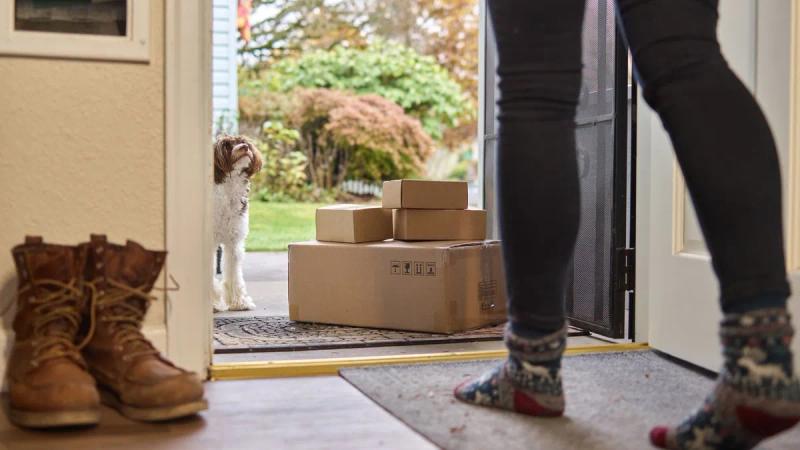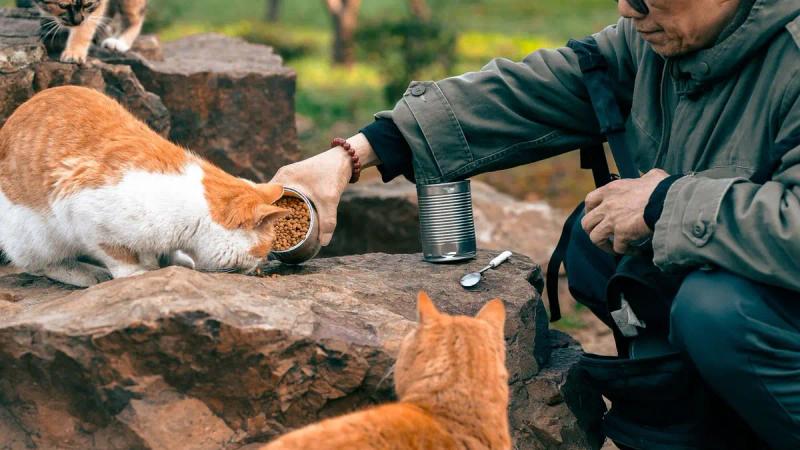
Keeping dogs and cats safe in storm and flood season
Flood season is here in Central Vietnam. How to pack a pet emergency kit, evacuate safely with your dog or cat, prevent losing them and care for them after the flood.
Every October and November, many provinces in Central Vietnam enter peak storm season. Right now, forecasters keep issuing warnings of heavy rain, flash floods and landslides from Ha Tinh to Quang Ngai. While worrying about the house and belongings, many pet parents carry one more worry: what about the boss?
After every flood season, quite a few families end up searching for a dog or cat left behind or lost during evacuation. The good news: with a few simple preparations, you can keep your pet much safer. This article is a before, during and after checklist for pet parents.
Why plan for your pet in advance?
When water rises fast, everything happens in minutes. It's very hard to grab your things and find a cat hiding under the bed at the same time. Dogs and cats also panic easily at thunder, wind and chaos, and may bolt.
In places like Da Nang and Hue, the Red Cross has started including the evacuation of "companion animals" in disaster training and drills, with dedicated pet areas at evacuation points. That's great news, but the most important preparation still happens at home.
Before the storm: your pet's emergency kit
Pack a go-bag for your pet just like the one for your family, and keep it somewhere easy to grab:
- A sturdy carrier or bag with a secure latch (especially for cats and small dogs).
- A leash and well-fitted collar or harness, already wearing a QR ID tag.
- Food and water for several days in watertight containers, plus collapsible bowls.
- Any medication your pet takes (if applicable), exactly as prescribed by your vet.
- Health papers and vaccine record in a waterproof zip bag, or saved on your phone.
- Pads, poop bags, and a small litter tray for cats.
- Dry towels and something familiar-smelling (your old T-shirt, their blanket) to ease stress.
- Clear photos of your pet's face and full body, in case you need to search for them.
Get your pet used to the carrier on ordinary days. Leave it open at home with toys and treats inside so it becomes a "safe spot", not a scary one.
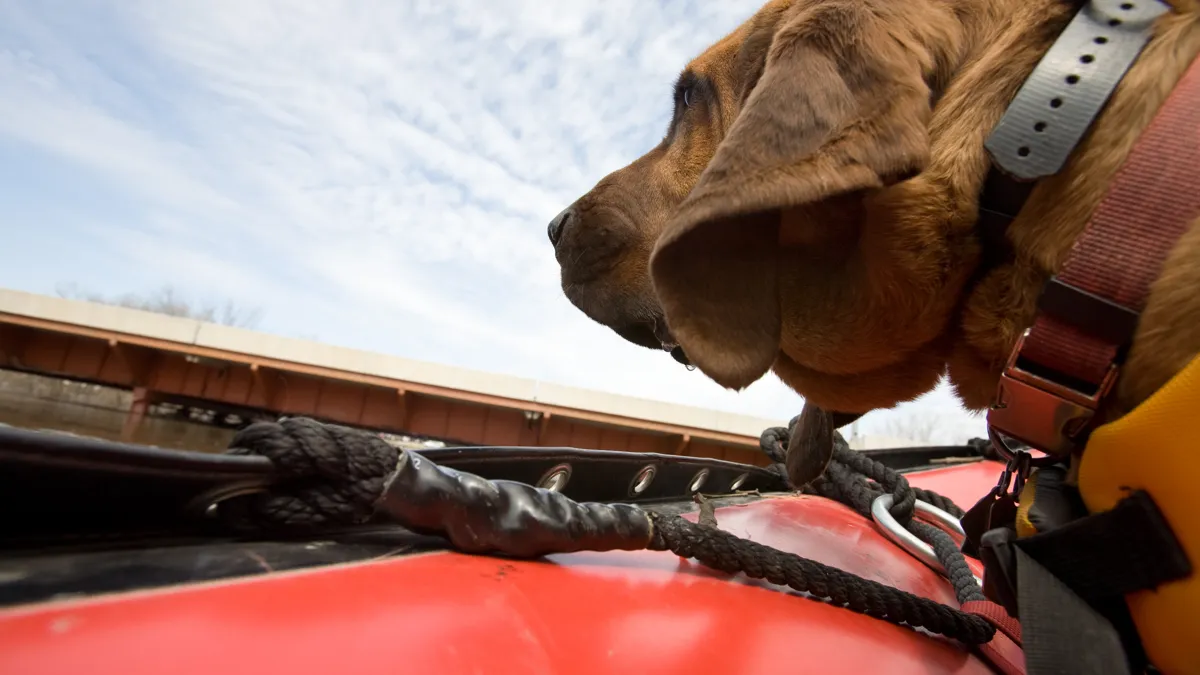
When a storm warning is issued: act now
Follow the news and decide where to go
Follow forecasts and local authority announcements. Find out in advance whether the nearest evacuation point accepts pets. If not, ask relatives or friends on higher ground to look after your pet, or board them temporarily at a clinic or pet hotel in a safe area.
Keep your pet indoors and in sight
When heavy rain and strong winds begin, bring your pet inside, close the doors and keep them in one room. Don't wait until it's time to leave to start looking for them.
Evacuate early and take your pet with you
If you need to evacuate, leave early and take your pet. Never chain or lock your pet alone in the house when water may rise: they have no way to escape. If you truly have no choice but to leave them, tell the authorities or a rescue team right away, with your address and the number of animals.
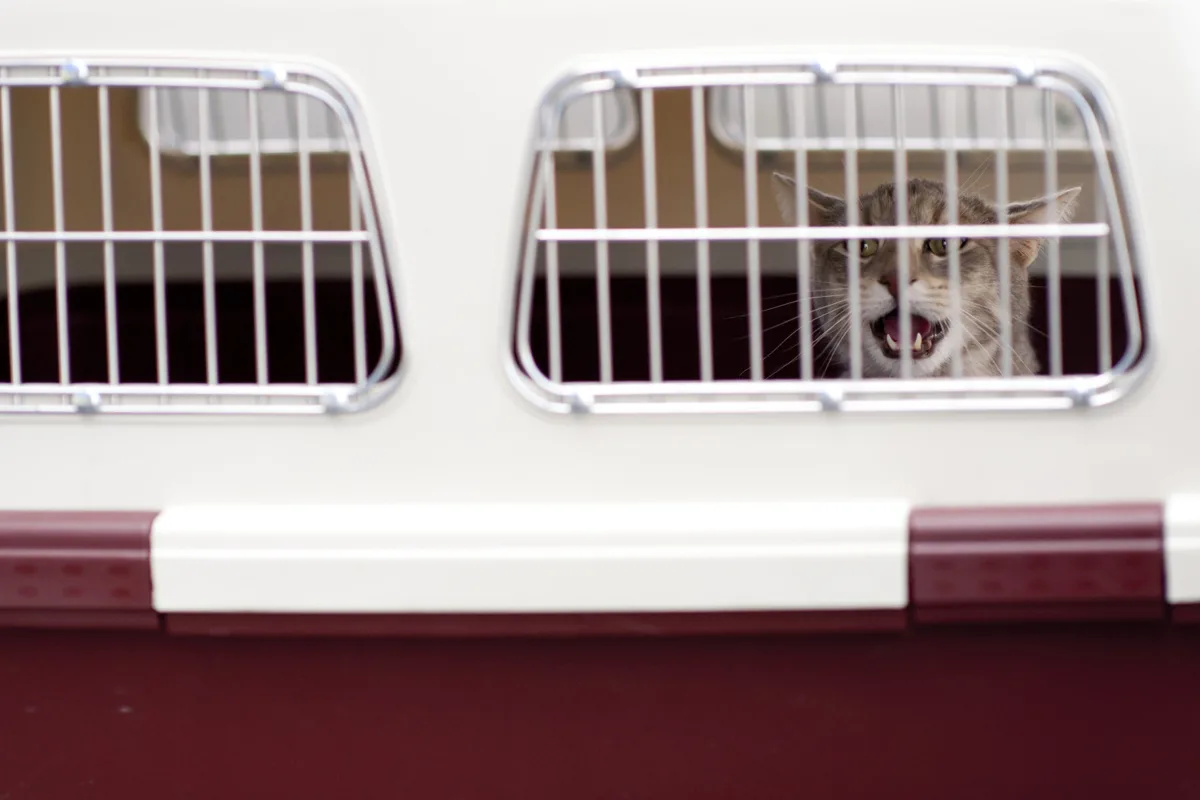
While moving, keep cats in carriers and dogs on a leash. Crowded shelters can frighten pets, so don't let them roam free.
Preventing your pet from getting lost
Pets go missing easily during floods: a door blown open, a frightened pet slipping out of your arms, or being swept away by water. A few things make them easier to find:
- An ID tag on the collar: With a PetID QR tag, anyone who finds your pet just scans it to see how to reach you, no app needed.
- An up-to-date profile in the PetID App: recent photos, distinguishing marks and a working phone number.
- Post right away if they go missing: Don't wait for the water to recede. Post on the lost pets page, rescue groups and local groups. See our detailed guide what to do if your pet is lost.
If you find a stray dog or cat after the flood, what to do when you find a lost pet will help you get them home.
After the water recedes: caring for your pet's health
Check your home before bringing your pet back
Floodwater can leave mud, debris, broken glass, exposed wires, chemicals and even snakes. Clean up and inspect carefully before letting your pet roam freely.
Keep your pet out of dirty water
Don't let your pet drink floodwater or standing water. If they've waded through it, bathe and dry them with clean water, especially their paws and belly.
Watch for warning signs
After a flood, damp and polluted surroundings make pets more prone to skin, digestive and tick problems, or injuries. Take your pet to a vet if you notice:
- Loss of appetite, unusual tiredness or lethargy.
- Vomiting, diarrhea, fever.
- Wounds, swelling, limping.
- Red, itchy skin or heavy shedding.
- Unusual yellowing of the eyes or skin.
Never give your pet human medicine. Your vet will examine them and advise on vaccinations, deworming and tick prevention after flood season. Remember to log the visit in their electronic vaccine record.
Don't forget their emotional health
After chaotic days, your pet may be shy, afraid of noises or extra clingy. Keep meals and walks on their usual schedule and spend time comforting them.
PetID is with you
The QR tag helps your pet get found, and the health profile in the app helps vets quickly understand their condition. With PetCare, PetID's pet health warranty plan, you also get support with treatment costs at partner clinics, so taking your pet to the vet after storm season is one less worry.
Final thoughts
Nobody wants storms and floods, but preparing early means less panic. A go-bag for your pet, an ID tag on their collar and an evacuation plan that includes them are enough to give the whole family more peace of mind. When the weather turns cold after the rains, read our guide on caring for dogs and cats in cold weather. Stay safe this storm season!