Cold-weather care for dogs and cats: preventing respiratory illness
Cold weather can leave pets sneezing and coughing. How to keep dogs and cats warm, spot respiratory symptoms, know when to see a vet and feed them well.
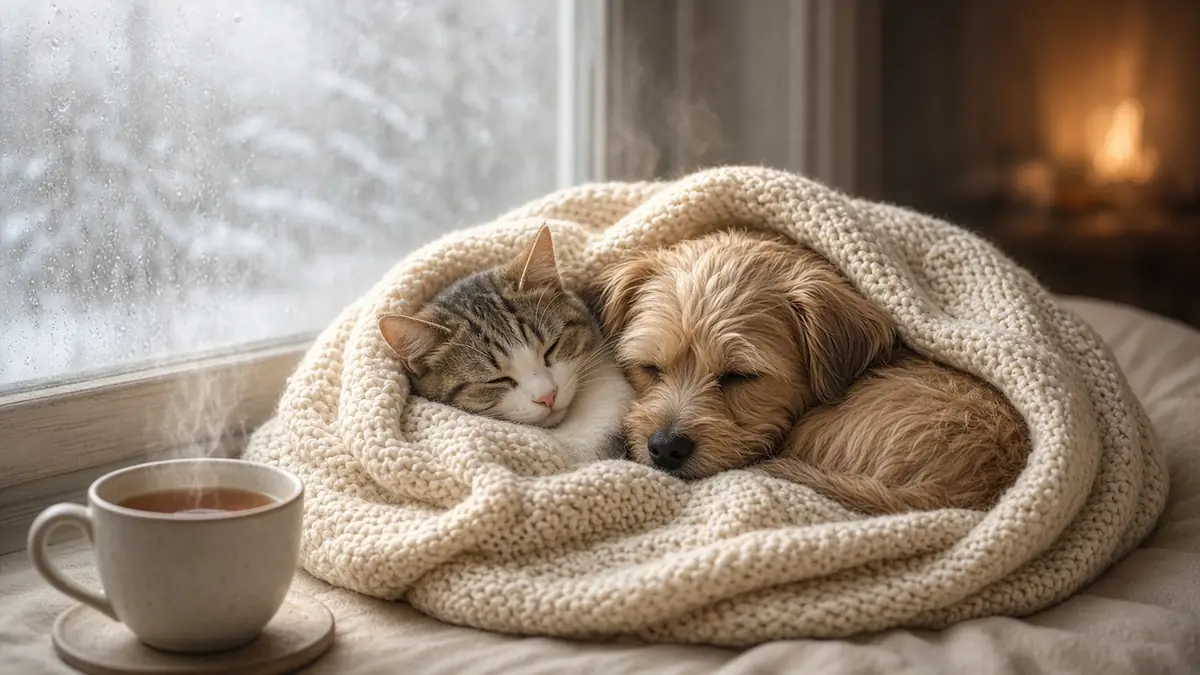
Every time the monsoon winds arrive, you pull out the warm blankets and jackets. But have you noticed your boss curling up tighter, moving less or sneezing more often? Cold weather, high humidity and sudden temperature swings between day and night make dogs and cats more prone to respiratory problems. The good news is that most of these can be prevented with the right care. Let's explore with PetID!
Note: This article shares general care information only and does not replace diagnosis and treatment by a veterinarian. If your pet shows signs of illness, please take them to the vet.
Why are pets more prone to respiratory illness in cold weather?
When temperatures drop, your pet's body has to use more energy to stay warm. If they get chilled, sleep in a drafty spot or stay wet for a long time, their resistance can drop, giving bacteria and viruses a chance to attack the respiratory tract. Prolonged dry or damp air can also irritate the lining of the nose and throat. Pets that spend time in crowded places like pet hotels, grooming salons or parks can also catch illnesses from each other more easily.
How to keep dogs and cats warm in cold weather
A warm, draft-free bed
- Place your pet's bed indoors, away from windows, doors and cold tiled floors.
- Raise the bed slightly off the floor and add an extra blanket or thick cushion.
- If your pet lives outdoors, bring them inside on cold nights, or provide a covered, draft-free shelter lined with dry straw or blankets.
- Be careful with heaters and heat lamps: keep them away from the bed, don't let your pet lie right next to them or chew on cords. Never leave your pet in a closed room with a charcoal burner.
A warm coat when needed
Short-haired and small pets, puppies, kittens and senior pets will need a warm coat when they go outside. Choose one that fits well, isn't too tight, and has no small parts that could be chewed off and swallowed. Thick-coated pets usually don't need clothes indoors; just watch whether your pet seems comfortable.
Bathing and drying the right way
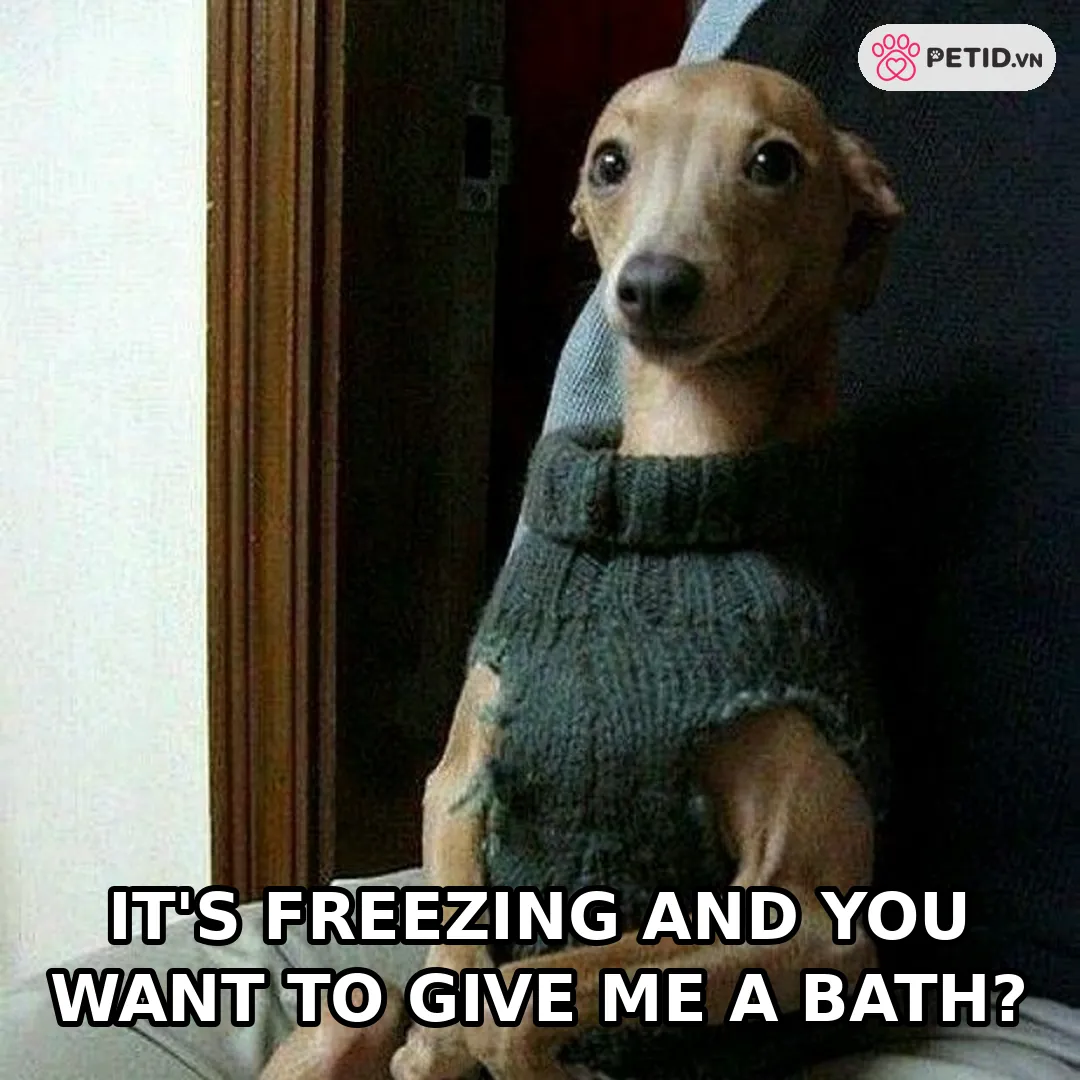
There's no need to bathe your pet too often in cold weather. When you do, pick the warmest time of day, use warm water, bathe quickly in a draft-free room and dry them completely, especially the belly, armpits and ears. Damp fur is a common "culprit" behind pets getting chilled.
Smart walks
Dogs still need daily exercise, but avoid early mornings and late evenings when temperatures are lowest. After a walk in the rain, dry your dog's paws and coat right away.

Signs your pet has a cold, cough or respiratory illness
Keep an eye out for the following:
- Sneezing, clear nasal discharge.
- Watery eyes, red eyes or a lot of eye discharge.
- Dry or wet cough, or coughing as if something is stuck in the throat.
- Tiredness, sleeping more than usual, poor appetite.
More serious warning signs
- Fast or labored breathing, breathing with the belly, or open-mouth breathing (especially abnormal in cats).
- Thick yellow or green nasal discharge.
- Fever, feeling hot, or on the contrary unusually cold.
- Refusing food and water, lying around lethargic.
- A cough that lasts several days without improving.
These signs may be related to respiratory infections, pneumonia or dangerous infectious diseases. Only a veterinarian can make an accurate diagnosis.
When should you take your pet to the vet?
Take your pet to a veterinary clinic as soon as possible if:
- They show any sign of breathing difficulty. This needs a vet visit right away.
- Symptoms don't improve after a day or two, or keep getting worse.
- They refuse food or water, or seem lethargic.
- They are a puppy or kitten, a senior, pregnant, or have an underlying condition.
- They are not fully vaccinated.
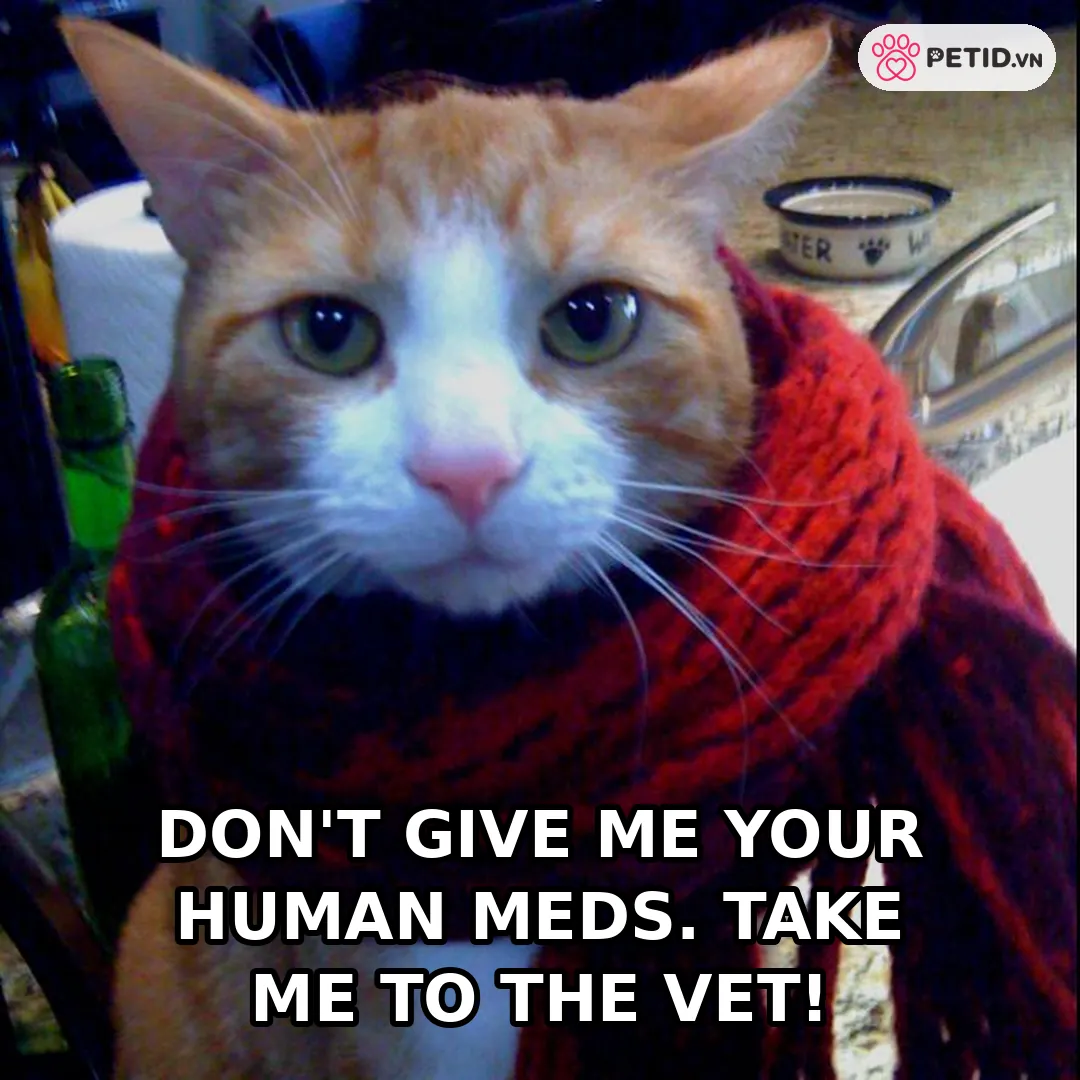
Never give your pet human medicine or antibiotics on your own. Many medicines meant for people can be toxic to dogs and cats. Let the vet examine your pet and prescribe what is right for them.
Nutrition to support your pet's immunity
- Enough energy: In cold weather, active pets may need to eat a little more. Ask your vet about the right portion and avoid letting your pet gain too much weight.
- Warm food: Gently warming wet food or pâté (never hot) can encourage your pet to eat with more appetite.
- Enough water: Pets tend to drink less when it's cold. Change their water often; you can offer lukewarm water. For cats, wet food also helps with hydration.
- No supplements without advice: Supplements and vitamins should only be given when recommended by your vet.
Special care for puppies, kittens and senior pets
Puppies and kittens
Young animals can't regulate their body temperature well yet, and their immune systems are still developing. Keep them somewhere warm, and limit outings and contact with unfamiliar animals until they've had all their shots. Watch their eating closely, because a young pet that stops eating can weaken very quickly.
Senior pets
Older pets often have weaker immunity and may suffer from joint pain in the cold. Give them a thick, soft bed placed somewhere easy to get in and out of. It's a good idea to take them for a routine check-up before the cold season so the vet can catch any heart or lung problems early.
Vaccination: the most important shield
Some infectious diseases in dogs and cats show respiratory symptoms and can be prevented by vaccination. The exact vaccination schedule should be set by a veterinarian based on each pet's age, species and health. Check whether your pet is due for a booster, especially before occasions when they'll be around many other animals, such as boarding at a pet hotel over Tet.
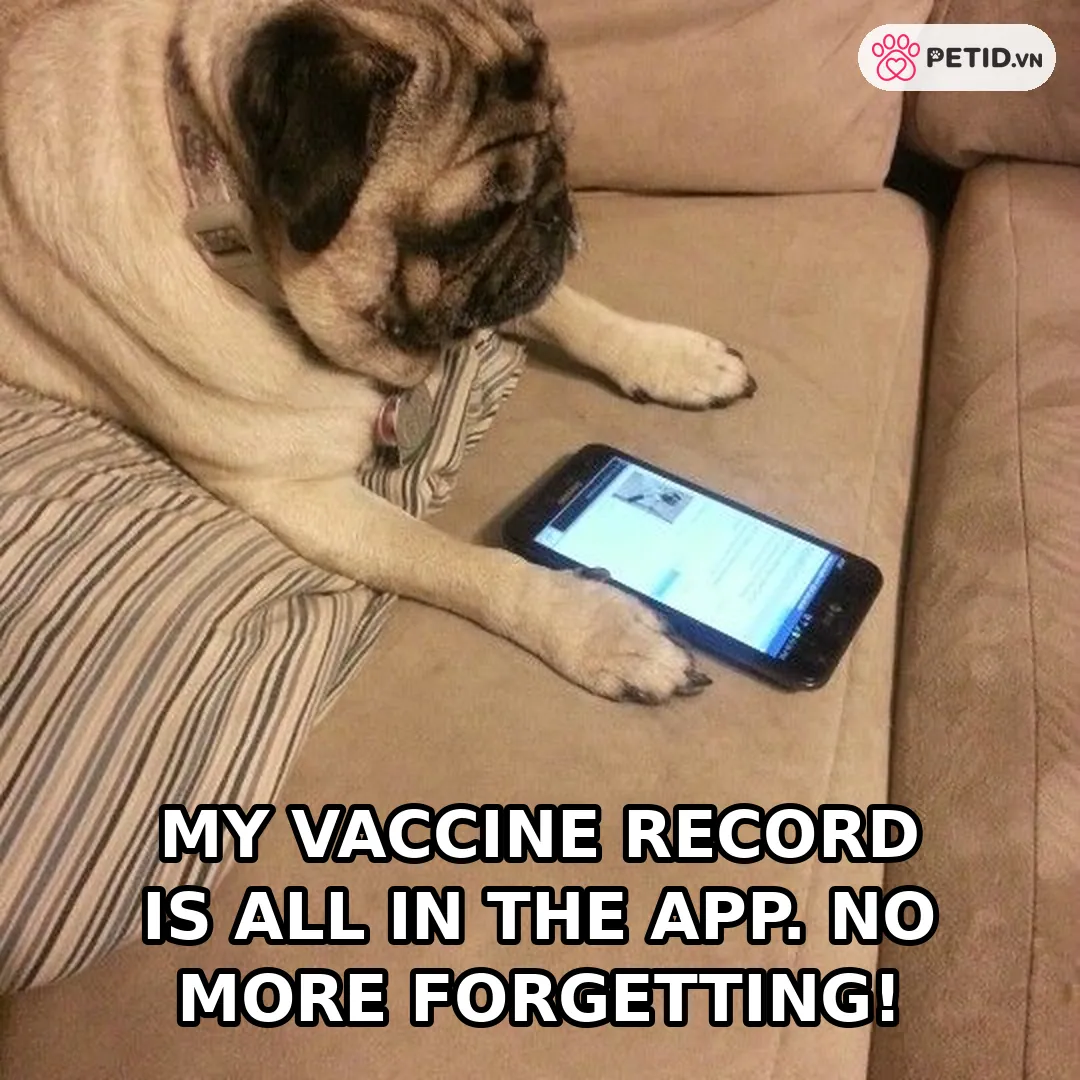
With the electronic vaccine record in the PetID App, you can save vaccination dates, vaccine names as written on the vet's slip, and every vet visit. When your pet gets sick, just open the app to show the vet their health history, making the check-up faster and more accurate. The profile is also linked to your PetID QR tag, so if your pet gets lost during the cold, rainy season, whoever finds them can contact you quickly.
Final thoughts
Caring for your pet in cold weather isn't hard: keep them warm, keep them dry, feed them well, vaccinate on schedule and see a vet when something seems off. If you've just welcomed a cat home this winter, don't miss our guide Getting your first cat: the complete checklist. Want to pick up more supplies for your pet? Visit the PetID Shop. Wishing you and your fur baby a warm and cozy winter!