
Cat with a runny nose: signs, care and when to see a vet
Signs of feline upper respiratory problems, red flags, vet-guided home care, and how vaccines help in multi-cat homes.
"Is a runny nose in cats dangerous?", "What should I do if my cat keeps sneezing?", "Is it contagious?" — common questions when a cat suddenly sneezes a lot or has nasal/eye discharge. A runny nose in cats often relates to upper respiratory infection (sometimes linked to herpesvirus, calicivirus, Bordetella or other causes — only a vet can tell). This guide helps you spot signs early, know when to seek care, and support recovery under veterinary advice.
Note: This article is for general information only and does not replace a vet diagnosis. Do not self-diagnose the cause at home. If your cat has breathing trouble, lasting appetite loss, high fever or extreme lethargy, see a clinic as soon as possible.
What does a runny nose mean in cats?
Nasal discharge is a symptom, not a single diagnosis. It often comes with upper respiratory inflammation: sneezing, eye discharge, congestion, sometimes mouth ulcers or mild fever.
Common veterinary differentials include feline herpesvirus (FHV-1), calicivirus (FCV), certain bacteria (such as Bordetella or Chlamydia in some cases), allergies, nasal foreign bodies, or flare-ups after stress or temperature swings. This article does not claim which one your cat has — only a vet exam (and tests when needed) can conclude.
Kittens, multi-cat homes, newly adopted cats and cats with weaker immunity show respiratory signs more often. Some viruses can stay latent and flare when the cat is stressed.
Signs of feline upper respiratory problems
Symptoms may be mild for a few days or last longer, depending on cause and body condition:
- Frequent sneezing.
- Clear or thick (yellow/green) nasal discharge; crusting around the nose.
- Eye discharge, red eyes, pawing at the face.
- Noisy breathing or open-mouth breathing when very congested.
- Fever, lethargy, hiding more than usual.
- Reduced smell → poor appetite (cats rely heavily on scent to eat).
- Mouth ulcers, drooling, pain when eating (possible with some calici infections — still needs a vet to confirm).
Similar signs can appear in other illnesses such as feline panleukopenia or more serious systemic disease. Don't guess from a runny nose alone.
When to see a vet promptly
Seek a vet clinic soon if you notice:
- Labored breathing, prolonged open-mouth breathing, pale/blue gums or tongue.
- No food for over 24 hours (sooner for kittens), repeated vomiting or dehydration.
- High fever, shivering, extreme lethargy or unresponsiveness.
- Thick, foul nasal/eye discharge that lasts, or one-sided bloody/unusual discharge.
- Several cats in the home falling ill one after another.
Even mild signs (occasional sneezes, clear discharge, still eating) deserve close watching — and a call to the vet for kittens or under-vaccinated cats.
Home care under veterinary guidance
Only after a vet has examined or advised and allowed home monitoring:
- Keep the resting area warm, clean, draft-free; avoid direct AC airflow.
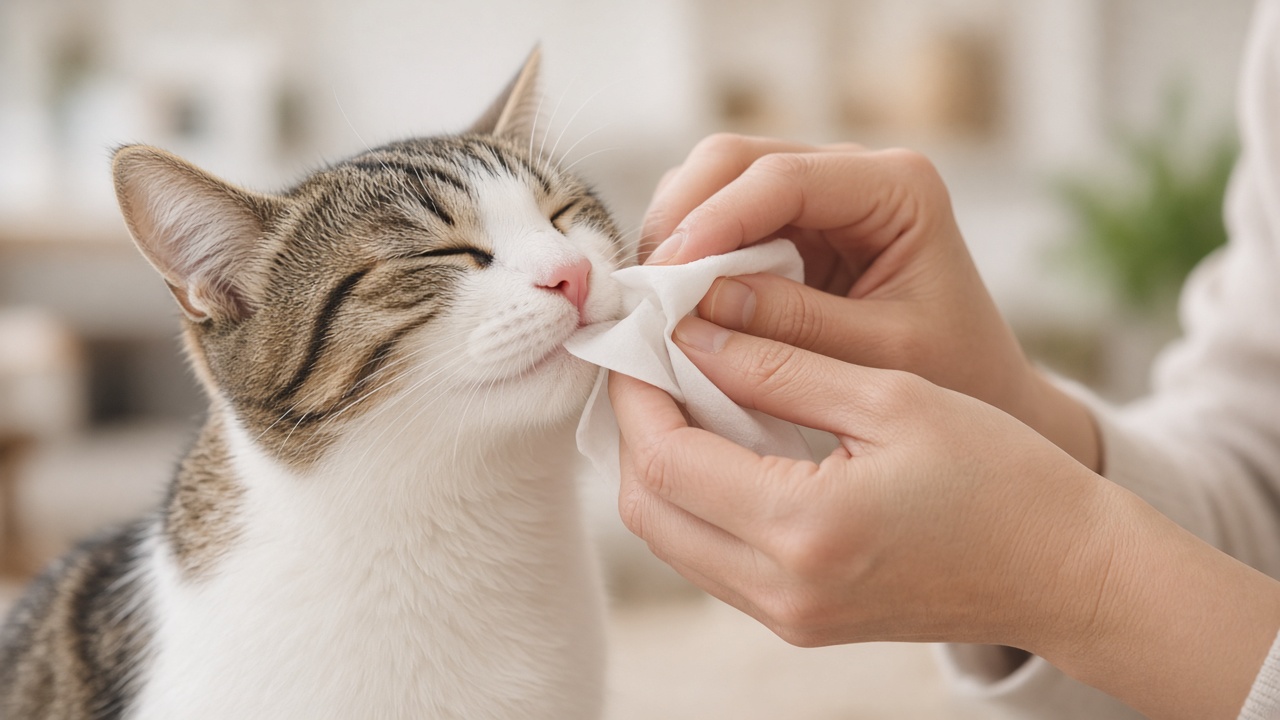
- Gently wipe nose/eyes with a soft, clean, slightly warm cloth; use a fresh cloth each time; do not share between cats.
- Modest humidity (e.g. a short stay in a steamy bathroom if the vet agrees) — never essential oils or harsh chemicals.
- Offer soft, slightly warmed food in small meals. Prolonged anorexia risks liver issues in cats — call the vet promptly.
- Give only medicines the vet prescribed at the correct dose; do not use human antibiotics or human nose/eye drops on cats.
- Temporarily isolate a sick cat from others if the vet advises; clean litter boxes, bowls and toys.
Prevention and reducing spread in multi-cat homes
- Vaccines and deworming on schedule lower the risk of severe respiratory disease and other serious illnesses. See the kitten vaccine and deworming schedule.
- Limit outdoor contact with unknown cats until healthy and adequately vaccinated.
- Do not share bowls or wipe cloths between sick and healthy cats.
- Lower stress: quiet hiding spots, avoid overcrowding.
- New cats: ask your vet about a short quarantine watch period.
Other systemic diseases (for example FIP) can also bring fever and poor appetite — if signs do not improve or worsen, recheck to rule them out.
Quick differentials (not a home diagnosis)
- Typical upper respiratory infection: sneezing, nasal/eye discharge, sometimes mild fever; many cases improve with vet-guided care and medicines.
- Primarily eye disease: red, watery eyes more than nasal signs — still worth a visit because respiratory viruses often involve the eyes too.
- Other systemic disease: lasting fever, weight loss, abnormal belly… needs further tests (see also FIP in cats, panleukopenia).
Do not rely on a self-made checklist. When unsure, book an exam early.
FAQ
Can my cat's runny nose infect people?
Most common feline respiratory causes do not spread to people the way human colds do. Still wash hands after care and clean tools to protect other cats. If you are immunocompromised, ask a human doctor when needed.
Can a vaccinated cat still get a runny nose?
Full vaccination lowers severe-disease risk but does not erase every cause of sneezing/discharge (allergies, herpes flare with stress…). Monitor and see a vet when needed.
Can I buy antibiotics or nose drops myself?
No. Wrong drug or dose can harm kidneys/liver or drive resistance. Use only veterinary prescriptions.
How long until recovery?
It varies. Many mild cases improve over days to a few weeks under vet guidance; lasting or recurring signs need a recheck.
How PetID helps
- Digital health records for vaccines, deworming and notes on sneezing, appetite or fever.
- Book a vet visit online at partner clinics when discharge lasts or appetite drops.
- Learn about the PetCare cost-support plan (cost support at partner clinics — not insurance).
Key takeaways
- A runny nose in cats often relates to upper respiratory infection; the exact cause needs a vet.
- Sneezing, discharge, poor appetite or breathing trouble: watch closely and seek care for red flags.
- Home care only under veterinary advice; isolate and clean carefully in multi-cat homes.
- On-schedule vaccines and deworming help reduce severe disease risk.
- Never give human antibiotics to cats on your own.
Create a PetID profile to track vaccines and book care when you need it.