Feline Panleukopenia: Signs, Can It Be Treated, and How to Prevent It
Spot feline panleukopenia early, learn the treatment outlook, how to care for your cat under your vet's guidance and how full vaccination prevents it.
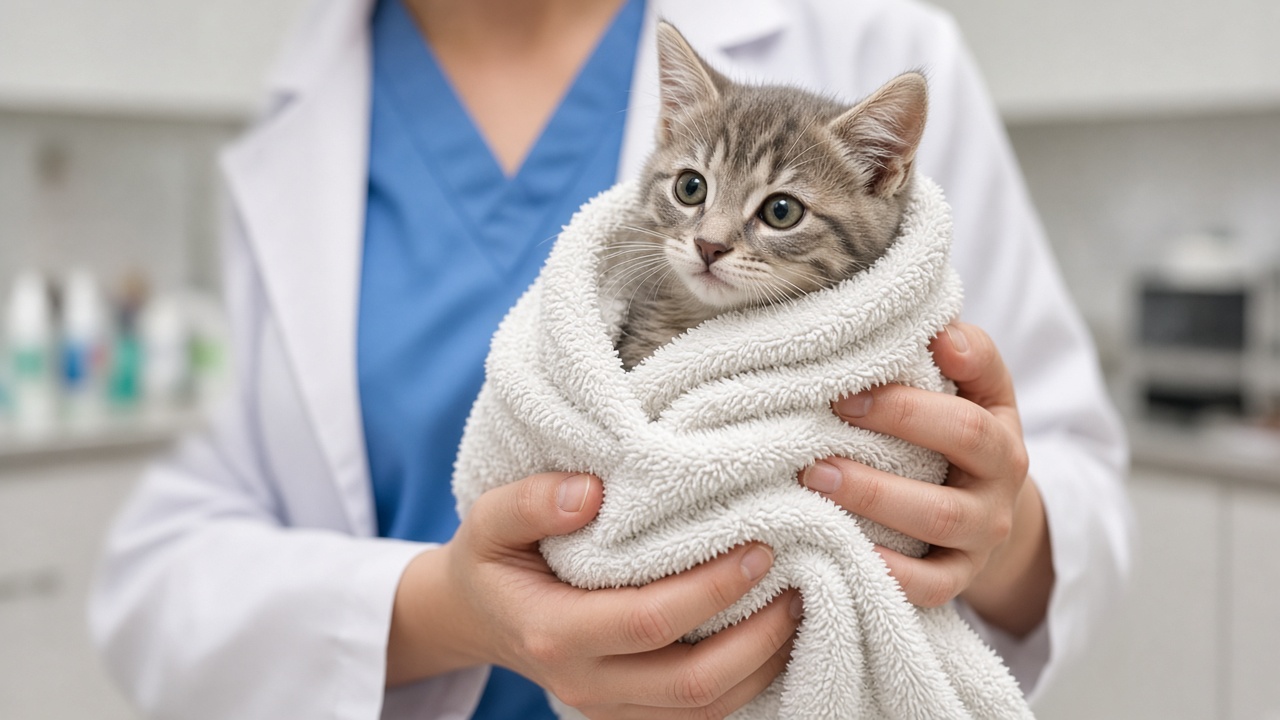
"Can a cat with panleukopenia be treated?", "What are the signs of panleukopenia?", "Is feline panleukopenia contagious?" Many cat owners search for these, especially after bringing a new kitten home. This is a dangerous, highly contagious disease that moves fast. This article helps you spot it early and protect your cat.
Note: This article is for reference only and does not replace a vet's diagnosis. If you suspect panleukopenia, take your cat to a vet right away.
What is feline panleukopenia?
Feline panleukopenia, sometimes called feline distemper, is caused by feline parvovirus. The virus attacks fast-dividing cells such as the intestinal lining and bone marrow, causing a sharp drop in white blood cells. Sick cats are therefore prone to secondary infections and severe dehydration.
The virus is very hardy in the environment and can survive for a long time on floors, cages, litter trays, bowls, clothes and shoes. Cats become infected through contact with the faeces, vomit or secretions of sick cats, or with contaminated objects. That's why indoor-only cats can still get it.
Kittens and cats that aren't fully vaccinated are at the highest risk.
Signs of feline panleukopenia
- Loss of appetite, sudden lethargy and weakness.
- Vomiting, sometimes yellow fluid or foam.
- Diarrhoea, possibly with blood.
- Fever, or a low body temperature in severe cases.
- Dehydration: sunken eyes, dry gums, skin slow to spring back.
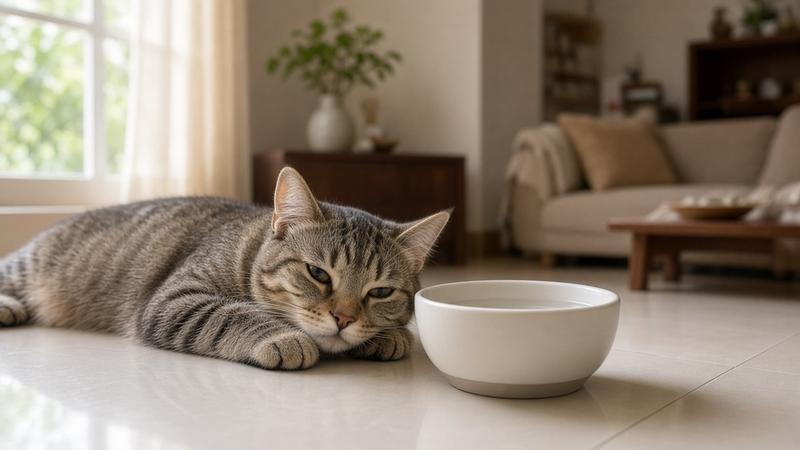
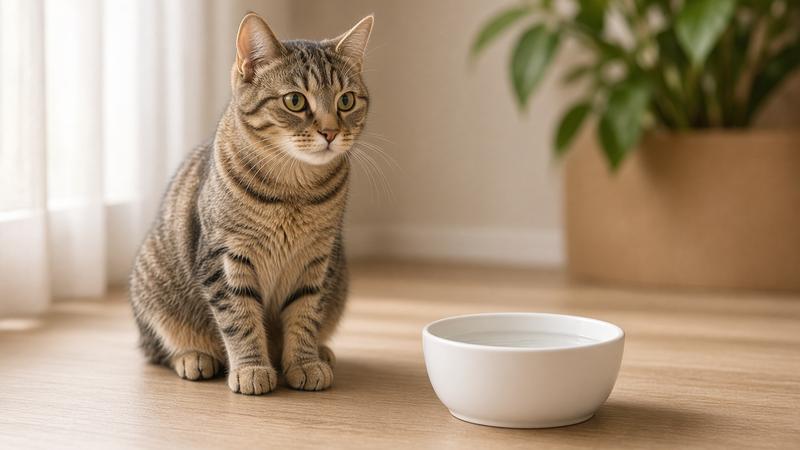
- Sitting hunched over the water bowl without drinking; abdominal pain.
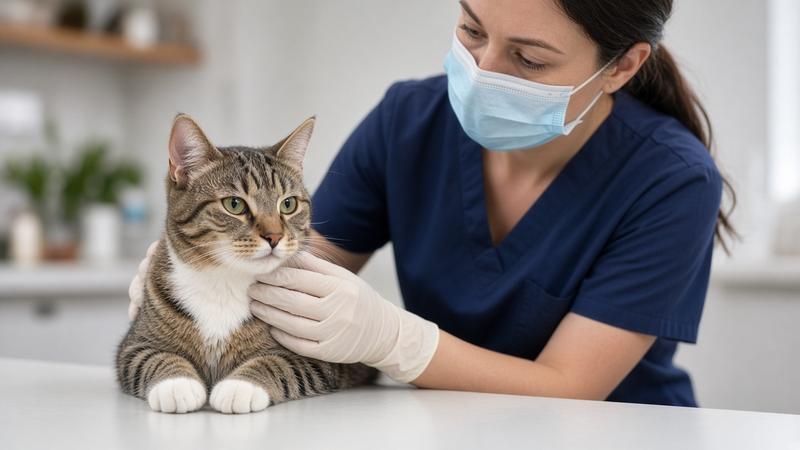
The disease can progress very quickly, especially in kittens. Many of these signs also occur with other illnesses, so a vet needs to examine your cat and run tests (such as a rapid test or blood work) to confirm. See also Dog or cat not eating or vomiting: when to see a vet.
Can feline panleukopenia be treated?
Some cats recover when the disease is caught early and treated intensively at a clinic. There is no medicine that directly kills the virus; treatment is supportive: IV fluids for water and electrolytes, anti-nausea medication, control of secondary infections and nutritional care as directed by your vet.
The chance of recovery depends on age, body condition, severity and how soon treatment starts. The disease has a high death rate, especially in kittens, so don't wait or try to treat it at home.
Caring for a sick cat under your vet's guidance
- Isolate the sick cat from other cats, especially kittens and unvaccinated cats.
- Keep it warm, in a quiet, clean resting place.
- Reintroduce food and water only when your vet allows, starting with small amounts.
- Give medicines exactly as prescribed and attend follow-ups.
- Clean and disinfect litter trays, bowls and floors with a product your vet recommends, as many ordinary cleaners don't kill the virus.
Can people catch feline panleukopenia?
The virus is not considered to infect people. However, people can carry it on their hands, clothes and shoes and pass it to other cats. Wash your hands and change clothes after caring for a sick cat. If you have both dogs and cats, ask your vet about prevention for each species.
How to prevent feline panleukopenia
- Complete all vaccinations on schedule. Combination cat vaccines ("3-in-1", "4-in-1") protect against panleukopenia. See the kitten vaccination and deworming schedule.
- Isolate new cats and take them to the vet before they meet your other cats.
- Limit contact with unfamiliar cats and crowded cat areas for kittens that aren't fully vaccinated.
- If a cat in your home has had the disease: ask your vet about disinfection and when it's safe to bring a new cat home.
- Deworm regularly to keep your cat healthier. See How often to deworm dogs and cats.
Frequently asked questions (FAQ)
Can a vaccinated cat get panleukopenia?
Full vaccination greatly reduces the risk, but no vaccine offers absolute protection, especially before a kitten finishes its series. If your cat has symptoms, still see a vet.
What should a cat with panleukopenia eat?
Only feed when your vet allows it and follow their instructions, usually easily digestible food in several small meals.
Can a recovered cat infect other cats?
Cats can keep shedding the virus for some time after recovery. Ask your vet when your cat can be around other cats again.
Can I give my cat IV fluids at home?
It's not recommended. Fluids and medicines should be prescribed and monitored by a vet.
PetID helps you stay on top of things
- A digital health record stores your cat's vaccinations, deworming and weight so you never miss a shot.
- Book a vet visit online at partner clinics when your cat shows unusual signs.
- Learn about PetCare plans with pet care cost support.
Summary
- Feline panleukopenia is dangerous and highly contagious, especially for kittens.
- Not eating, vomiting, diarrhoea, lethargy: take your cat to the vet right away.
- Early treatment at a clinic improves the chance of recovery.
- Full vaccination is the most effective prevention.
Create your cat's profile on PetID to track vaccinations and book vet visits in time.