Cat diarrhea: causes, signs and care tips
When cat diarrhea needs a vet visit, common causes, safe supportive care and prevention — general information only, not a diagnosis.
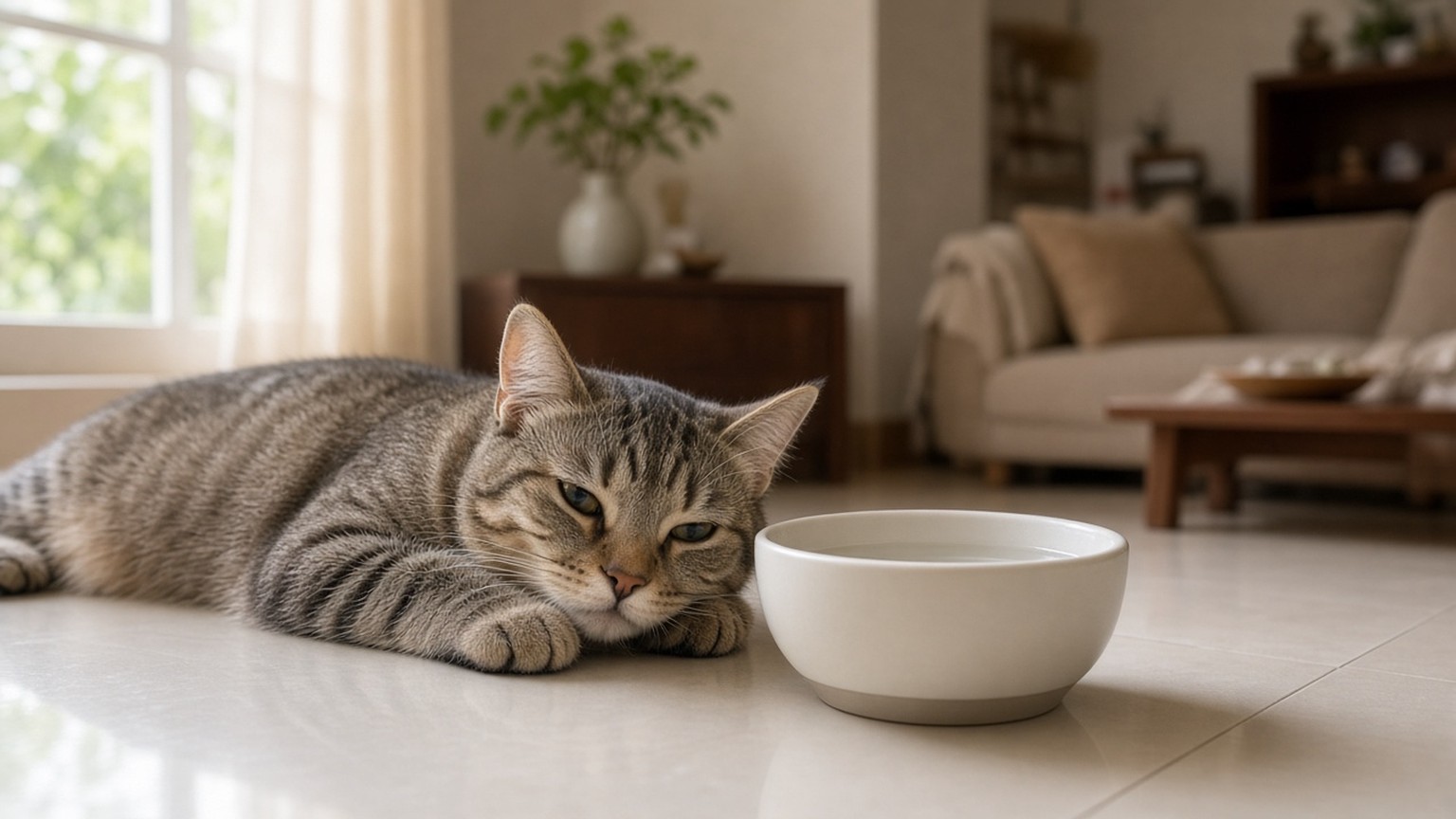
Many owners search "cat diarrhea", "loose stool in cats", or "kitten diarrhea" when stools turn soft or watery or the cat visits the litter box often. Diarrhea can come from scavenged food, a sudden diet change, parasites, stress — or more serious illness that needs a vet.
Note: This article is for general information only and does not replace a vet diagnosis. If diarrhea comes with blood, repeated vomiting, appetite loss, dehydration, or the cat is a kitten / senior — see a clinic, and do not give human antibiotics.
What is diarrhea in cats?
Diarrhea means stool that is softer than usual, mushy, or watery, often with more litter-box trips. Normal cat stool is usually formed and slightly moist. Sticky litter clumps, mucus, or pink/black blood should be noted for the vet.
Commonly discussed causes include sudden kibble/wet-food changes, human leftovers (milk, bones, greasy food), gut infection, worms, food intolerance, pancreatitis, thyroid disease, or systemic illness. Acute diarrhea (days) differs from chronic (weeks / recurring) — workups and care differ.
Do not confuse it with constipation that leaks soft stool around a hard mass: that still needs a vet, not DIY enemas.
Signs to watch
- Loose or watery stool, or stool with blood / mucus.
- Frequent box visits, straining, belly discomfort (crying, hiding).
- Combined with cat vomiting, appetite loss, lethargy.
- Dehydration: dry gums, slow skin tent, sunken eyes.
- Kittens can lose condition fast — higher risk.
Log stool color, frequency, recent diet, and photos if the vet asks, so follow-ups are clearer.
When to see a vet promptly
Seek same-day (or emergency) care if:
- Diarrhea with blood or tar-black stool.
- Repeated vomiting, cannot keep water down.
- No appetite >24 hours (sooner for kittens / cats with other disease).
- Weakness, collapse, fever, or a painful tense belly.
- Diarrhea lasting >2–3 days after stopping scavenged food.
Avoid: long DIY fasting, human anti-diarrheals, "just in case" antibiotics, or milk. Book a vet visit online when stable; with blood or dehydration, go in sooner.
Supportive care and prevention
Once the vet rules out emergencies, support often includes:
- Clean water always available; multiple bowls help.
- Change food gradually (5–7 days) when switching brands.
- No table scraps, bones, or cow's milk.
- Deworm on schedule and vaccinate as advised — lowers parasite/virus gut disease.
- Clean litter, lower stress (hiding spots, stable routine).
- Use gut-support diets or medicines only when the vet recommends them.
Same idea as dog diarrhea: observe, skip DIY antibiotics, and seek care early on red flags.
FAQ
One soft stool then normal — worry?
It may be scavenged food. Watch 24–48 hours; if it returns with blood, vomiting, or appetite loss, see a vet.
Will fasting stop diarrhea?
Do not long-fast cats on your own (hepatic lipidosis risk). Follow vet guidance only.
Can I give human yogurt / probiotics?
Not on your own. Products and diets must fit the species and case — ask the vet.
Can it spread to people?
Some causes (parasites, bacteria) have hygiene risk. Wash hands after litter duty; caution with kids and immunocompromised people.
How PetID helps
- Health records for diarrhea episodes, stool photos, diet notes, and recheck dates.
- Book online at partner clinics when signs persist.
- Learn about the PetCare cost-support plan if labs or fluids may be needed (cost support — not insurance).
Key takeaways
- Cat diarrhea can be mild or serious — watch for vomiting, blood, and appetite loss.
- No DIY human medicines; kittens and dehydrated cats need early care.
- Gradual diet changes, clean water, and deworming/vaccines reduce many episodes.
- Logging in PetID helps the vet act faster.
Create a PetID profile to track gut health and book care when you need it.