Vomiting in cats: white foam, yellow bile and when to see a vet
Common cat vomit patterns, emergency signs, hairball vs disease, home care only under a vet, and PetID tips for logging and booking.
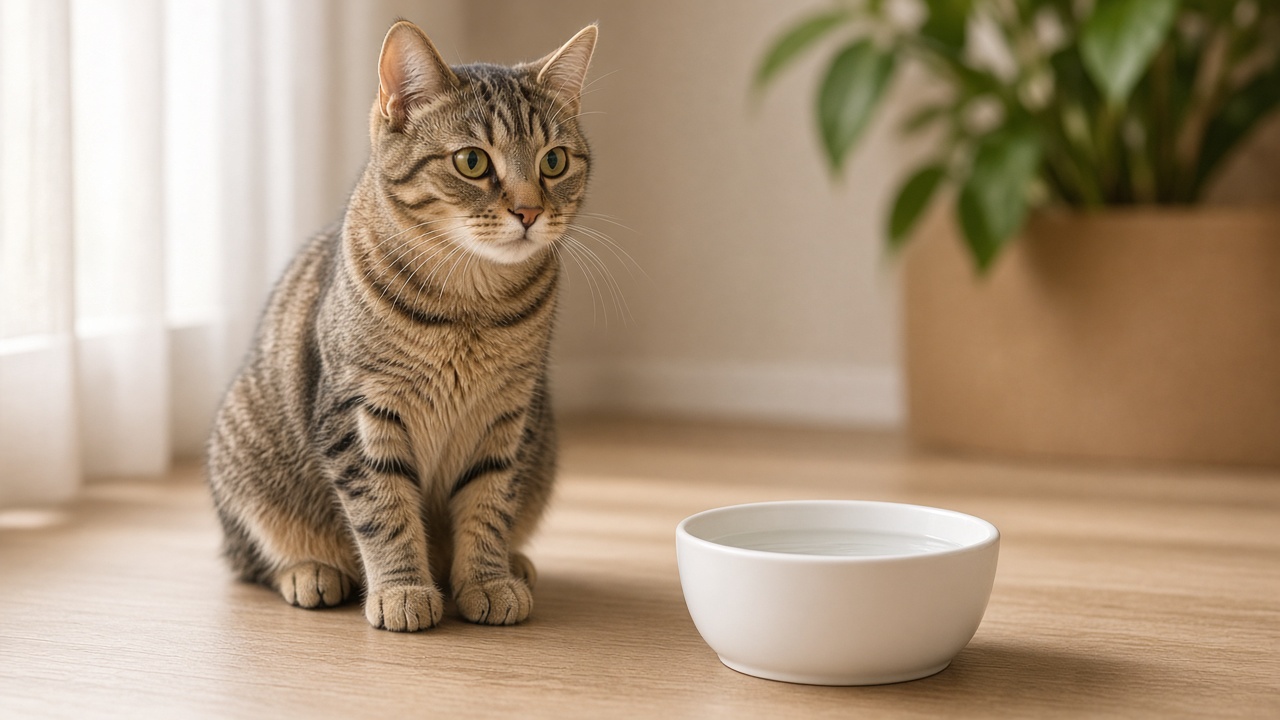
"Why is my cat vomiting white foam?", "Is yellow vomit dangerous?", "My cat throws up after meals — what now?" — common searches when a cat suddenly starts vomiting. Vomiting can come from hairballs, eating too fast or mild stress — but it can also signal digestive disease, infection or an emergency. This guide covers common vomit patterns, red flags and care under veterinary advice.
Note: This article is for general information only and does not replace a vet diagnosis. Do not give human medicines to cats. If vomiting is repeated, contains blood, comes with extreme lethargy or appetite loss, or involves a kitten — see a clinic as soon as possible.
Vomiting vs regurgitation
Vomiting usually involves abdominal effort and discomfort beforehand. Regurgitation often happens soon after eating, with little digested food and less retching. Noting the pattern helps your vet — but you do not need to diagnose at home. Record timing, color and frequency for the visit.
Vomiting also overlaps with appetite loss and vomiting in dogs and cats: some cats still eat then vomit; others only drink and bring up foam. Any repeating pattern deserves attention.
Common vomit patterns in cats
White foam
- Often linked to an empty stomach, mild gastric irritation or forming hairballs.
- One or two episodes with a bright, eating cat: watch closely.
- Foam many times in one day, plus lethargy or refusing food: call or visit a vet.
Yellow (bile) fluid
- Yellow or yellow-green fluid is often bile, seen with a long-empty stomach or gut irritation.
- Do not assume “just hungry.” With diarrhea, fever, pain or frequent vomiting: get a vet check.
After eating
- Eating too fast, sudden diet changes, novel food or intolerance.
- Smaller meals or a slow-feeder bowl (if your vet agrees) may help some cats — but vomiting after most meals needs an exam.
With diarrhea
- Dehydration risk rises faster. See also appetite loss / vomiting overview.
- Kittens and seniors dehydrate quickly — prioritize an early visit.
Blood or coffee-ground material
- A red flag: seek care immediately; do not “wait one more day.”
Hairballs vs illness — don’t mix them up
Cats that groom a lot may vomit hairballs or stringy mucus. Occasional hairballs in an otherwise healthy adult can happen, but:
- Frequent vomiting (several times a week), foam/bile without hair, weight loss, constipation or appetite drop → do not dismiss as “just hairballs.”
- GI disease, parasites, pancreatitis, kidney/liver disease, hyperthyroidism (older cats) and more can cause vomiting. Only a vet can sort them out.
If your cat also has runny nose / respiratory signs, fever or whole-body lethargy, book an exam to rule out systemic illness.
When to see a vet promptly
Seek a clinic soon or urgently if you notice:
- Repeated vomiting within a few hours; cannot keep water down.
- Blood, dark brown vomit, or bloody diarrhea.
- Extreme lethargy, pale gums, sunken eyes (dehydration signs).
- Kittens, seniors or cats with chronic disease — lower threshold; don’t wait.
- No food for ~24 hours (much sooner for kittens), or vomiting + fever + painful belly.
- Possible foreign body (string, bone, small toy).
What not to do at home
- Do not give human anti-nausea, antibiotics or painkillers.
- Do not force food or large amounts of water during active vomiting — ask the vet about safe rehydration.
- Do not rotate many new foods in one day before a diagnosis.
- Do not run DIY IV fluids or inject medicines bought online.
Care under veterinary guidance
After a vet exam (or advice) and approval for home monitoring:
- A short food pause only as directed (adults only — kittens must not fast long); then soft, easy meals in small portions.
- Fresh water available; watch litter output and energy.
- Log: time, color/amount, link to meals, stool consistency.
- Give only prescribed medicines (anti-nausea, gut protectants, fluids if needed…).
- Quiet rest; reduce stress.
Supportive prevention: keep the kitten vaccine and deworming schedule on track to lower some infectious/parasitic gut risks. Regular brushing may reduce hairballs in long-haired cats.
FAQ
My cat vomited white foam once then ate normally — OK?
It may be mild irritation or an empty stomach. Watch 12–24 hours; if it stops and the cat is well, note it. If it repeats or other signs appear, see a vet.
Does yellow vomit always mean serious disease?
Not always — but don’t self-certify. Repeated bilious vomiting or vomiting with lethargy/diarrhea needs a professional check.
Should I starve a vomiting cat?
Only under vet guidance. Cats (especially kittens and overweight cats) should not fast long because of liver risk. Ignore viral “starve for 24 hours” tips.
Can vomiting be from vaccines?
Some sensitive cats feel off after shots, but repeated or lasting vomiting should not be blamed on vaccines alone — tell your vet so other causes are ruled out.
How PetID helps
- Digital health notes for vomiting episodes, diet and visit history.
- Book a vet visit online at partner clinics when vomiting repeats or red flags appear.
- Learn about the PetCare cost-support plan (cost support at partner clinics — not insurance).
Key takeaways
- Cat vomiting has many causes — from hairballs / fast eating to diseases that need a vet.
- White foam, yellow bile, post-meal vomiting or diarrhea all deserve watching — blood, clustered vomiting, collapse, kittens = prioritize care.
- No human medicines; home care only with veterinary OK.
- Symptom logs + on-schedule vaccines/deworming help you act faster.
Create a PetID profile to log symptoms and book care when you need it.