
Dog diarrhea: causes, red flags and care
When dog diarrhea is urgent, common causes, safe supportive care and prevention — general information only.
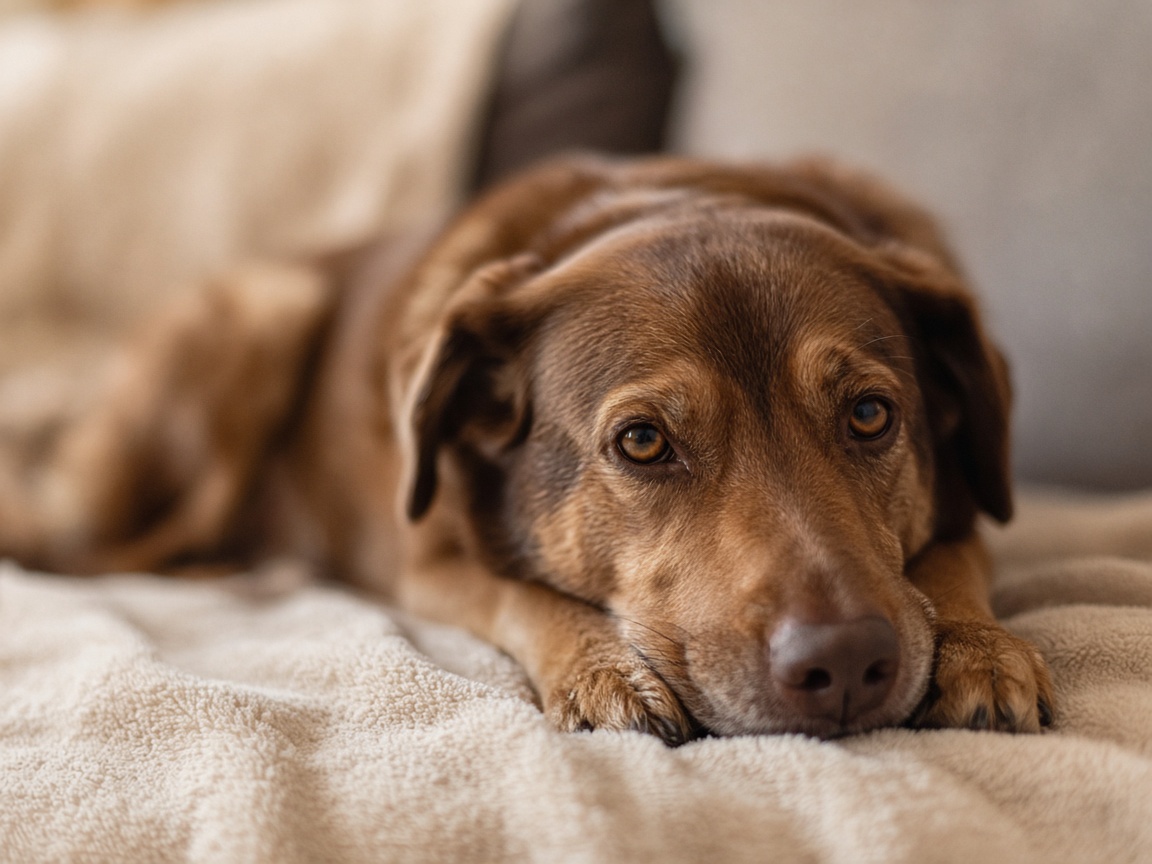
Many owners search "dog diarrhea", "loose stool in dogs", or "puppy diarrhea what to do" when stools turn soft, frequent, or come with vomiting. Diarrhea can follow a food change, scavenging, or worms — but it can also signal parvo, distemper (Care), pancreatitis, toxins, or systemic disease.
Note: This article is for general information only and does not replace a vet diagnosis. Do not give human anti-diarrheal drugs. If it is a puppy, stools are bloody, vomiting is repeated, the dog is collapsed, or they stop drinking — see a vet clinic as soon as possible.
What counts as diarrhea in dogs?
Diarrhea means stool that is looser than normal, sometimes with more trips outside, straining, or accidents indoors. It may be acute (hours to a few days) or ongoing / recurrent.
A single soft stool after odd food may settle if the dog still eats, drinks, and plays. It is more serious when diarrhea persists, comes with vomiting, blood, fever, belly pain, or dehydration — especially in puppies and tiny breeds that dehydrate fast.
Often discussed causes: sudden kibble changes, spoiled food / table scraps (what dogs and cats can and cannot eat), worms (see deworming), stress, recent antibiotics, bacterial/viral enteritis, pancreatitis, food allergy, or other medical disease.
Red flags that need a vet now
See a vet promptly if any of these apply:
- A puppy, senior, or very small dog with diarrhea.
- Bloody stool (bright red or black/tarry) or unusual heavy mucus.
- Repeated vomiting, refusing food/water, or less urine.
- Collapse, dry gums, tented skin (dehydration), fever, or a painful belly.
- Diarrhea lasting > 24–48 hours in an adult that is not improving, or keeps returning.
- Possible toxin, bone, or foreign body; or incomplete vaccination — higher risk of parvo and other infections.
Clinics may examine, run fecal/blood tests, and use rapid viral tests when indicated. Do not diagnose parvo at home from loose stool alone.
Supportive care when the case is mild
Only consider this when an adult dog stays bright, still drinks, has no blood, and is not vomiting repeatedly — and you will go to a clinic at the first turn for the worse:
- Hydration: free access to water; ask a vet about pet-appropriate electrolytes if intake is low (do not freely dose human ORS mixes).
- A short food pause (often a few hours in large adults — not casually for puppies), then bland, easy food as a vet or pet clinic advises.
- No bones, milk, fried food, sweets, or oily human leftovers.
- Clean the rear and floors; wash hands — some causes can affect people (certain bacteria/parasites).
- Do not use human Imodium, human antibiotics, charcoal, or over-the-counter "stoppers" without veterinary direction.
If there is no improvement in 24 hours or red flags appear — stop home care and see a vet.
Preventing common diarrhea
- Transition food gradually over 5–7 days.
- Block scavenging; keep bins closed.
- Deworm on schedule; follow a vet plan for puppies.
- Keep core vaccines current (parvo, distemper, and others) to lower severe viral diarrhea risk.
- Clean food and water; review what puppies eat if you have a young dog.
- Reduce sudden stress; limit junk treats and bones.
FAQ
Should I withhold food?
Some bright adult dogs get a short pause under guidance; puppies should not be starved at home for long. Ask a vet by age and weight.
Can it spread to people?
Some causes (e.g. Salmonella, Giardia, Campylobacter) can involve people. Wash hands, bag waste; immunocompromised people should be extra careful.
When to worry about parvo?
Puppies / under-vaccinated dogs with vomit + diarrhea (often bloody), deep lethargy, fever or low temperature — seek emergency care and testing. See parvo in dogs.
Should I buy antibiotics to stop diarrhea?
No. The wrong drug delays diagnosis and disrupts gut flora.
How PetID helps
- Store deworming and vaccine dates, stool photos, and when diarrhea started so the vet history is clearer.
- Book a vet visit online when diarrhea lasts or red flags appear.
- Learn about the PetCare cost-support plan if fluids or observation may be needed (cost support — not insurance).
Key takeaways
- Dog diarrhea is common, but puppies, blood, repeated vomiting, or dehydration mean see a vet early.
- No human anti-diarrheals; no home parvo guesses.
- Mild support only if the dog stays bright and you watch closely; worsen → clinic.
- Prevent with slow food changes, deworming, vaccines, and clean feeding.
- A PetID record links vaccine–worm history to this visit.
Create a PetID profile to track digestion and book care when you need it.