Parvo in Dogs: Signs, Can It Be Treated, and How to Prevent It
Signs of parvo in dogs, treatment outlook, care under your vet's guidance, and prevention through on-time vaccination.
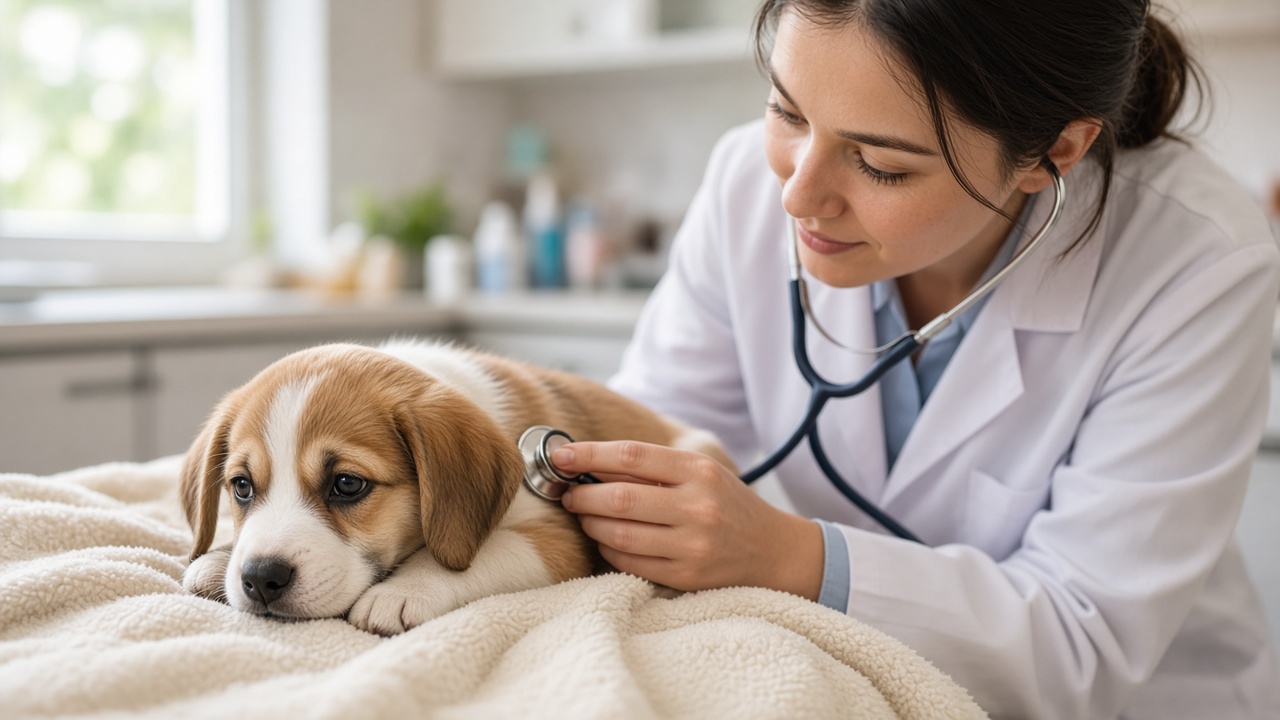
"Can a dog with parvo be saved?", "How long does parvo take to clear?", "Can people catch parvo?" are questions many owners search in a moment of worry. Parvo is a dangerous infectious disease that progresses quickly, especially in puppies. This article helps you spot the signs early, understand what to do and prevent the disease effectively.
Note: This article is for reference only and does not replace a vet's diagnosis. If you suspect parvo, take your dog to a vet clinic as soon as possible.
What is parvo in dogs?
Parvo is caused by canine parvovirus, which mainly attacks the lining of the intestines and the bone marrow. It causes vomiting, severe diarrhoea, rapid dehydration and weakened immunity. Puppies that haven't had all their shots and dogs that have never been vaccinated are at the highest risk.
Parvovirus is very hardy in the environment and can survive for a long time on floors, soil, equipment, shoes and clothes. Dogs mainly become infected through contact with an infected dog's faeces or with contaminated objects and surroundings.
Signs of parvo in dogs
- Loss of appetite, tiredness and unusual lethargy.
- Repeated vomiting.
- Diarrhoea, loose stools, possibly with blood and a very distinctive foul smell.
- Fever, or in severe cases a low body temperature.
- Dehydration: sunken eyes, dry gums, skin slow to spring back.
- Abdominal pain, with the dog hunched up.
These signs can also appear with other illnesses such as distemper, poisoning or heavy worm infection. Vets usually use a rapid test and a clinical exam to confirm. A puppy that is vomiting and has diarrhoea needs a vet right away; don't wait to see if it gets better on its own.
Can a dog with parvo be saved?
Many dogs do recover when parvo is caught early and treated intensively at a clinic. There is no medicine that directly kills parvovirus; treatment is mainly supportive: IV fluids to restore water and electrolytes, anti-nausea medication, control of secondary infections and nutritional care as directed.
The chance of recovery depends on age, body condition, severity and how soon treatment starts. The longer you wait, the higher the risk. Don't treat at home with over-the-counter medicines or folk remedies.
How long does it take to recover from parvo?
Treatment time differs for each dog and usually requires close monitoring over several days. Even once your dog is eating again, go to follow-up visits as scheduled and ask the vet when it can be around other dogs.
Caring for a dog with parvo under your vet's guidance
- Food and water: only feed again when your vet allows it, starting with small amounts of easily digestible food as instructed. Don't force-feed while your dog is vomiting.
- Isolation: keep your dog in a separate, warm, dry area, away from other dogs, especially puppies.
- Hygiene: clean up faeces and vomit immediately; disinfect with a product your vet recommends, as many ordinary floor cleaners aren't strong enough to kill parvovirus.
- Monitoring: note how many times your dog vomits or has diarrhoea, and how much it drinks, to tell your vet.
- Give medicines exactly as prescribed: don't stop or add medicines on your own.
Can people catch parvo?
Canine parvovirus (CPV) is not considered to infect people. However, the virus can cling to hands, shoes and clothes and spread to other dogs, so wash your hands and clean thoroughly after caring for your dog.
How to prevent parvo in dogs
- Complete all vaccinations on schedule. This is the most important preventive measure. See the dog vaccination schedule for details.
- Limit outings and contact with unfamiliar dogs for puppies that aren't fully vaccinated.
- Deworm regularly so your dog is healthier and responds better to vaccines. See How often to deworm dogs and cats.
- Clean living areas, especially if a dog in your home has had parvo. Ask your vet before bringing a new dog home.
- Newly bought or adopted dogs: take them for a checkup and start vaccinations early.
Frequently asked questions (FAQ)
Can a vaccinated dog get parvo?
Full vaccination greatly reduces the risk, but no vaccine gives absolute protection, especially while a puppy hasn't finished its series. If your dog has symptoms, still see a vet.
What should a dog with parvo eat?
Only feed when your vet allows it and follow their specific instructions. Usually you start with small amounts of easily digestible food, split into several meals.
Can cats catch parvo from dogs?
Cats get panleukopenia, which is caused by a different parvovirus. Ask your vet about prevention and vaccination for cats if you have both dogs and cats at home.
Can I give my dog IV fluids at home?
It's not recommended. IV fluids, anti-nausea medication and antibiotics should be prescribed and monitored by a vet.
PetID helps you stay on top of things
- A digital health record stores your dog's vaccinations, deworming and weight so you never miss a shot.
- Book a vet visit online at partner clinics from your phone when your dog shows unusual signs.
- Learn about PetCare plans with pet care cost support to be better prepared when your dog needs a vet.
Summary
- Parvo is dangerous and fast-moving, especially in puppies that aren't fully vaccinated.
- Vomiting, bloody diarrhoea, not eating: take your dog to the vet right away.
- Early treatment at a clinic improves the chance of recovery.
- On-time vaccination is the best way to prevent parvo.
Create your dog's profile on PetID to track vaccinations and book vet visits in time.