What Should Puppies and Kittens Eat to Grow Healthy and Strong?
Nutrition basics for puppies and kittens: milk and weaning, choosing food, meal frequency and mistakes to avoid.
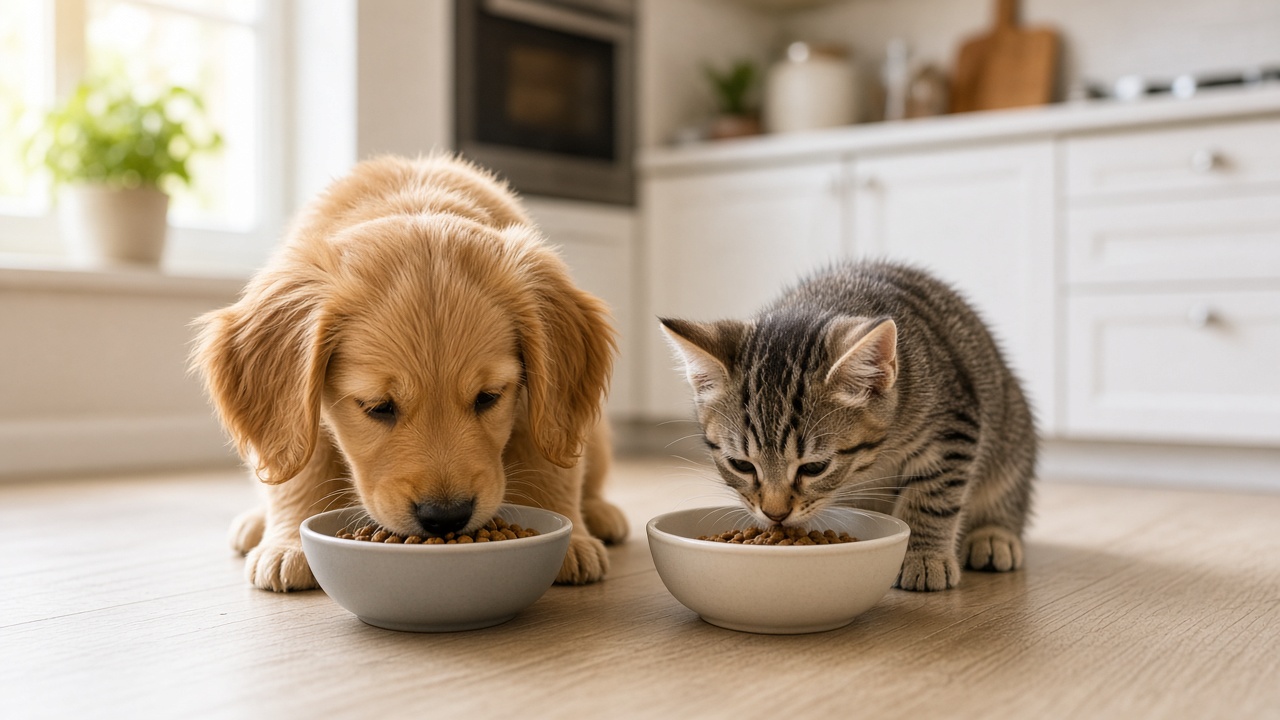
"What should a puppy eat to grow fast?", "What's the best food for kittens?", "What do orphaned kittens eat?" These are among the first questions new owners ask. The early months shape a pet's long-term health. This article covers the basic, safe nutrition principles for puppies and kittens.
Note: This article is for reference only. Nutritional needs depend on species, breed, age, weight and health. Ask your vet before changing your pet's diet.
Why do puppies and kittens need a special diet?
Puppies and kittens grow very fast, so they need more energy, protein and the right balance of minerals than adults. Cats are obligate carnivores and need plenty of animal protein and certain specific nutrients. Adult food usually doesn't meet the needs of a growing pet.
"Growing fast" doesn't mean eating as much as possible. Overfeeding or an unbalanced diet can lead to obesity and digestive upset, and in large-breed puppies can affect bone and joint development. The goal is steady, healthy growth.
Nursing and weaning
- Mother's milk is the best nutrition in the first weeks.
- Without a mother: use a milk replacer made specifically for puppies or kittens, following the label and your vet's advice. Orphaned newborns need a vet's guidance on bottle feeding and keeping warm.
- Don't use cow's milk instead of mother's milk. Many dogs and cats don't tolerate the lactose in cow's milk well and get diarrhoea.
- Weaning: when your pet starts eating solids, you can soften puppy or kitten food with warm water or milk replacer, then gradually move to firmer food.
What should puppies and kittens eat?
- Complete puppy or kitten food (dry or wet) suited to their age. For dogs, choose a formula for their breed size (small, medium, large) where available.
- Fresh water available at all times.
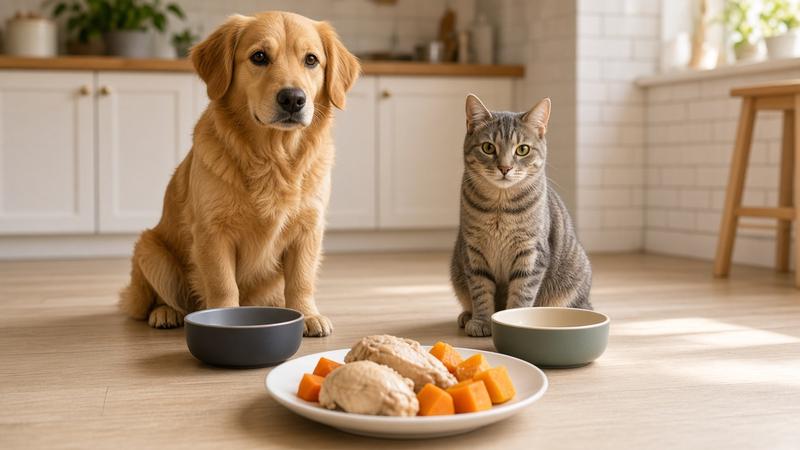
- Home-cooked food only with your vet's guidance, as it's very hard to balance all the nutrients a young animal needs. If you add lean meat, fish or eggs, cook them, leave them unseasoned, remove bones and keep portions small.
See the list of safe and dangerous foods in What can dogs and cats eat?
How much and how many meals a day?
- Puppies and kittens have small stomachs, so they usually get several small meals a day, with fewer meals as they grow.
- Start with the feeding guide on the food packaging, then adjust to your pet's actual weight and body condition.
- Weigh your pet regularly to check it's growing steadily. Your vet can assess body condition and adjust portions.
- Fixed meal times help settle digestion and make potty training easier.
Do they need calcium or vitamin supplements?
Complete puppy and kitten foods are usually already balanced for minerals. Adding calcium or vitamins on your own can be harmful, especially in large-breed puppies. Only use supplements when your vet prescribes them.
Common mistakes
- Feeding rice mixed with human leftovers containing onion, garlic or seasoning.
- Using cow's milk instead of mother's milk.
- Feeding kittens dog food.
- Changing food suddenly; switch gradually over several days.
- Overfeeding in the hope of faster growth.
- Skipping deworming: worms can keep a pet thin even when it eats a lot. See How often to deworm dogs and cats.
What should a puppy or kitten with diarrhoea eat?
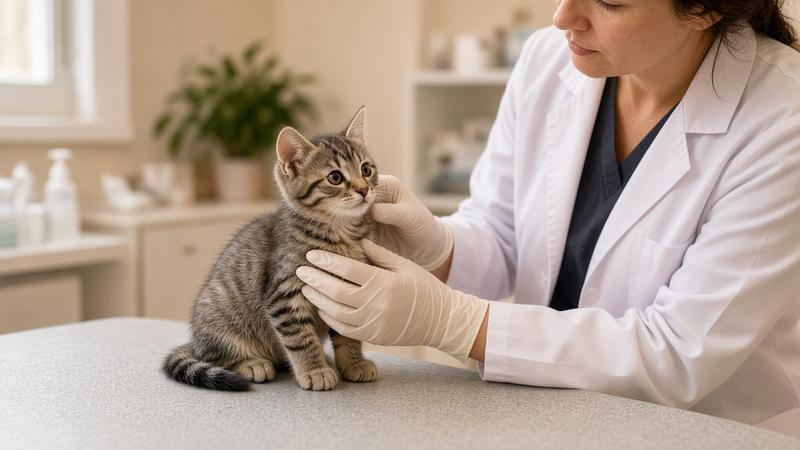
Don't manage it at home for long. Puppies and kittens dehydrate very quickly. If your pet has diarrhoea, vomits, stops eating or is lethargic, see a vet early and feed as they advise. See also Dog or cat not eating or vomiting.
Frequently asked questions (FAQ)
At what age can puppies eat dry food?
Puppies and kittens usually start solids around weaning, first with softened food. Ask your vet for the right timing.
What milk should I give an orphaned kitten?
Use a milk replacer made for kittens, not cow's milk. Orphaned newborn kittens need a vet's guidance.
Can puppies eat bones?
Never give cooked bones, as they splinter into sharp pieces. Ask your vet before giving any kind of bone.
When should they switch to adult food?
It depends on species and breed. Large-breed puppies usually stay on puppy food longer. Your vet will advise on timing.
Track your pet's growth with PetID
- A digital health record stores weight over time, vaccinations and deworming.
- Book a vet visit online for checkups and nutrition advice.
- Buy puppy and kitten food and milk replacers from partner shops on PetID, after getting your vet's advice.
- Don't forget vaccinations: the dog vaccination schedule and the kitten vaccination and deworming schedule.
Summary
- Puppies and kittens need food made for their growth stage.
- Don't replace mother's milk with cow's milk; use a proper milk replacer.
- Feed several small meals, weigh regularly, and don't overfeed.
- Don't add calcium or vitamins without asking your vet.
Create your pet's profile on PetID to track weight and care during the first months of life.