Dog or Cat Not Eating, Vomiting White Foam or Yellow Fluid: Causes and When to See a Vet
Is it dangerous when a dog or cat stops eating or vomits white foam or yellow fluid? Learn the signs that mean you should see a vet right away.

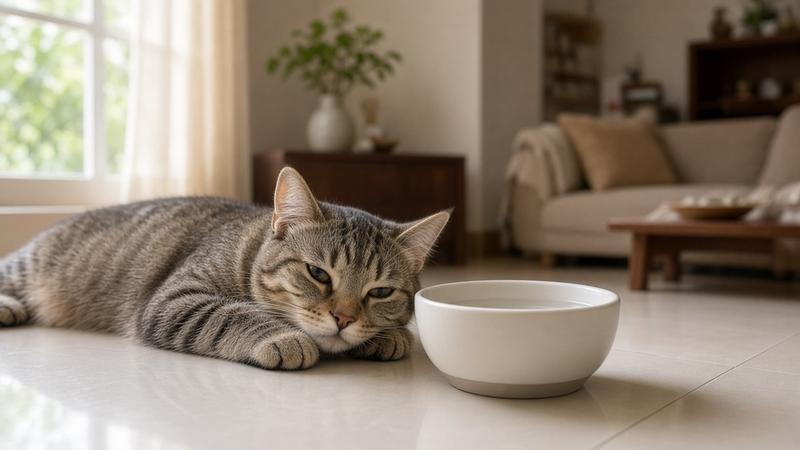
"Dog not eating and vomiting, what's wrong?", "Cat not eating, only drinking water", "Cat vomiting white foam", "Dog vomiting yellow fluid"... Many owners type these in a hurry late at night when their pet seems unwell. Loss of appetite and vomiting are common symptoms. They can have mild causes, but they can also signal serious illness. This article explains common causes and, above all, when to take your pet to the vet immediately.
Important: This article does not replace a vet's diagnosis. Never give your pet human medicine. If you are worried, contact a clinic.
Common reasons dogs and cats stop eating
- A change of environment or stress: moving house, a new person or pet, travel.
- A sudden change of food, or food that is spoiled or not to their taste.
- After vaccination: some pets eat less for a short time.
- Dental problems: toothache, gum inflammation, mouth ulcers (in cats this may be linked to calicivirus).
- Digestive upset or worms.
- Infectious diseases: such as parvo or distemper in dogs and panleukopenia in cats, especially in pets not fully vaccinated.
- Internal disease: liver, kidney or pancreas problems, or a blockage from a swallowed object.
In cats, a prolonged loss of appetite is especially dangerous because it can lead to liver complications. Don't wait too long if your cat isn't eating.
What do white foam and yellow fluid mean?
- White foam: may come from an empty or irritated stomach, or in cats from hairballs. But repeated white foam can also signal respiratory, digestive or infectious disease.
- Yellow fluid: usually bile, often seen when a pet has gone a long time without food. If it keeps happening or comes with other symptoms, see a vet.
- Vomiting food right after eating: may be from eating too fast or too much, or a problem in the oesophagus or stomach.
- Vomiting blood, dark brown fluid or fluid that smells like faeces: a serious sign that needs a vet right away.
The colour of the vomit is only a clue, not a diagnosis. The vet needs to examine your pet and may run tests to find the cause.
When to see a vet IMMEDIATELY
Take your dog or cat to a vet clinic as soon as possible if you notice any of the following:
- Repeated vomiting, or vomiting with diarrhoea, especially bloody diarrhoea.
- Vomiting blood, or black or bloody stools.
- Lethargy, weakness, inability to stand, trembling or seizures.
- A swollen belly, or pain when the belly is touched.
- A possible swallowed object, bone or toy, or possible poisoning (rat poison, chocolate, human medicine, chemicals...).
- Unable to keep water down, or vomiting after drinking.
- Signs of dehydration: dry gums, sunken eyes, skin slow to spring back.
- Puppies and kittens, senior pets, or pets with existing conditions.
- A pet that isn't fully vaccinated and is vomiting, not eating or has diarrhoea.
- A cat that stops eating completely even for a short time, or a dog that stops eating for a long time.
What you can do while waiting to see the vet
- Stay calm and observe: how many times your pet vomited, what it looked like, whether it can eat anything and how it is toileting.
- Take photos of the vomit or stool to show the vet.
- Think back to anything unusual it ate, changes at home, and the last vaccination and deworming.
- Don't give medicine yourself, especially human medicine. Many human painkillers and fever reducers are very toxic to dogs and cats.
- Don't force-feed while your pet is vomiting. Ask your vet about water and when to feed again.
How to prevent it
- Keep vaccinations and deworming complete and on schedule. See How often to deworm dogs and cats.
- Change food gradually over several days, never suddenly.
- Store human food, medicines, chemicals and small swallowable objects safely. See What dogs and cats can and can't eat.
- Brush cats regularly to reduce hairballs.
- Get regular checkups, especially for older pets.
PetID helps you act faster
When your pet shows unusual signs, its health history helps the vet diagnose faster. With the PetID app:
- A digital health record stores vaccinations, deworming, allergies, existing conditions and current medicines.
- Symptom notes over time that you can bring to the clinic.
- Book a visit at partner vet clinics right from your phone.
- Look into PetCare plans with pet care cost support to be better prepared when your pet needs treatment.
Summary
- Loss of appetite and vomiting have many causes, from mild to serious.
- The colour of the vomit is only a clue, not a diagnosis.
- Repeated vomiting, blood, lethargy, suspected poisoning or a swallowed object: see a vet right away.
- Cats that stop eating need special attention; don't wait long.
Create your pet's health record on PetID so you're always ready when you need a vet.