What Can Dogs and Cats Eat, and What Should They Avoid? Safe and Dangerous Foods
A list of foods that are safe and foods to avoid for dogs and cats, plus what to do right away if your pet eats something dangerous.
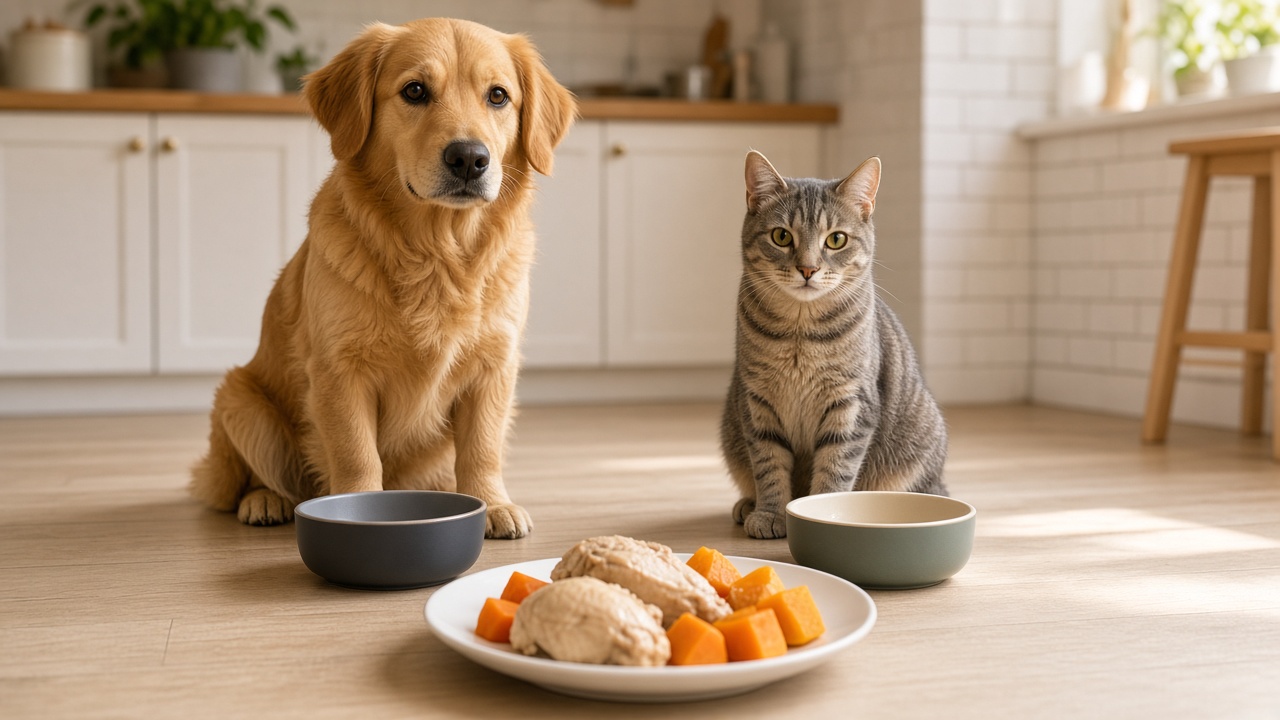
Many owners like to share a bit of their own food with their dog or cat: a piece of meat, some rice, a grape from the table. Most of the time it's fine, but some everyday human foods can harm dogs and cats, and some are dangerous. This article lists foods generally considered safe, foods widely recognised as ones to avoid, and what to do if your pet eats something it shouldn't.
Note: This article is for reference only. Every pet has different health, weight and nutritional needs, so ask your vet before changing its diet.
Why shouldn't dogs and cats eat like people?
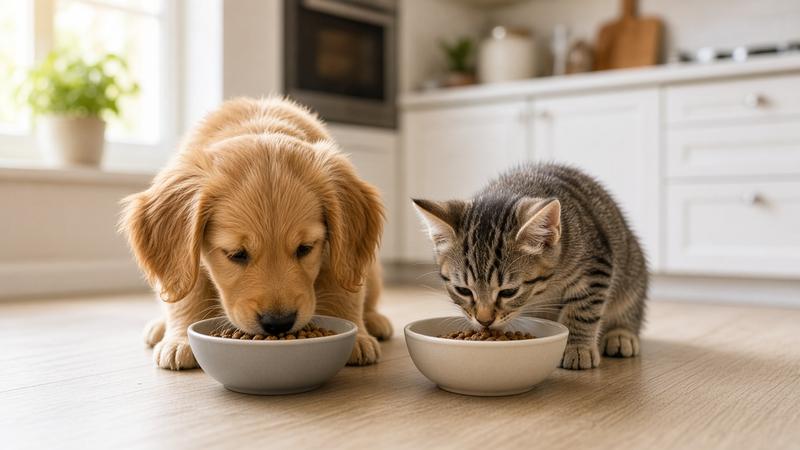
Dogs and cats have different digestive systems and nutritional needs from people. Cats are obligate carnivores and need plenty of animal protein and certain specific nutrients. Dogs are more omnivorous but are still sensitive to many seasonings, fats and compounds in human food. Human food is often high in salt, oil, onion, garlic and spices, so even dishes that are "harmless" for people can give pets stomach pain, vomiting or diarrhoea.
The best foundation is still complete food made for dogs or cats and suited to their age. Human food, if given, should only be a small treat.
Foods generally considered safe (when prepared properly)
Vets generally consider the foods below acceptable in small amounts, cooked, unseasoned, with bones and fatty skin removed:
- Cooked lean meat: boiled chicken, beef or lean pork. Remove bones, especially cooked chicken bones, which splinter into sharp pieces.
- Cooked fish: carefully deboned. Avoid feeding raw fish regularly.
- Cooked eggs: boiled or steamed until fully set.
- Rice, boiled sweet potato or pumpkin: can be mixed in a little, especially when your vet recommends a bland diet.
- Some vegetables: carrots, boiled green beans, cucumber, cut small to prevent choking.
- Some fruit for dogs: apple (seeds and core removed), banana, watermelon (seeds and rind removed), in small amounts.
When trying a new food, give a very small amount and watch for a day or two for vomiting, diarrhoea, itching or loss of appetite.
Foods to avoid
These foods are widely flagged by veterinary organisations and animal poison control centres:
1. Chocolate, coffee and tea
They contain theobromine and caffeine, which can cause vomiting, diarrhoea, a racing heart and tremors. Dark chocolate and cocoa powder are even more dangerous.
2. Onions, garlic, chives and shallots
Raw, cooked or powdered, these can damage red blood cells in both dogs and cats. Be careful with leftovers, broths and porridge seasoned with onion or garlic.
3. Grapes and raisins
They have been linked to acute kidney failure in dogs, even in small amounts. Don't feed them in any form.
4. Xylitol (sweetener)
Found in sugar-free chewing gum, some sweets, diet baked goods and human toothpaste. In dogs, xylitol can cause low blood sugar and liver damage.
5. Alcohol
Never give pets alcohol, not even a sip.
6. Macadamia nuts
Can cause leg weakness, tremors and vomiting in dogs.
7. Cooked bones and very fatty food
Cooked bones splinter easily and can injure the digestive tract. Skin, fat and fried food can upset digestion and raise the risk of pancreatitis.
8. Raw yeast dough
Yeast can expand in the stomach and produce alcohol.
For cats specifically
- Lilies: very dangerous for cats, including the pollen and the water in the vase.
- Cow's milk: many adult cats are lactose intolerant and get diarrhoea.
- Dog food: shouldn't replace cat food long term, as it doesn't meet cats' specific needs.
What to do if your pet eats something dangerous
- Stay calm and keep the packaging or leftovers so you know what your pet ate, roughly how much and when.
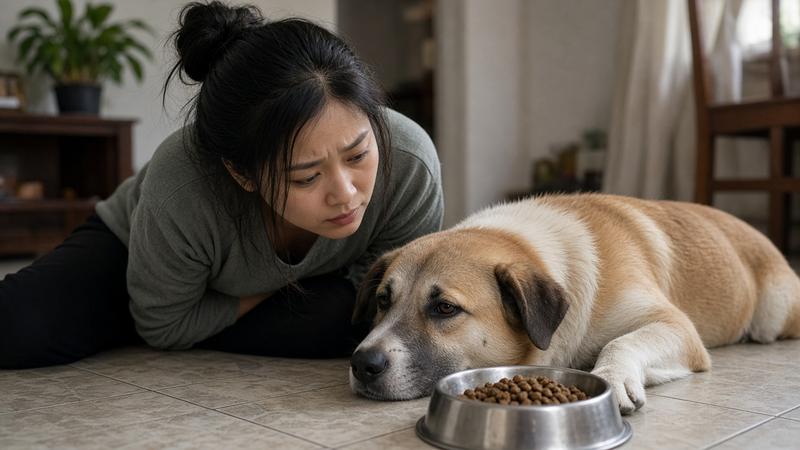
- Contact a vet or the nearest clinic right away, even if your pet has no symptoms yet. Some substances cause symptoms only hours later.
- Don't induce vomiting yourself with salt, soapy water or home remedies. Doing it wrong can cause more harm. Only do it if a vet tells you to.
- Watch for signs such as vomiting, diarrhoea, drooling, trembling, lethargy, fast breathing or seizures, and tell your vet.
Prevention tips at home
- Keep chocolate, sweets, grapes and nuts in high cupboards or lidded boxes.
- Keep the kitchen bin covered.
- Ask family and guests not to feed your pet from the table.
- Check the ingredients of "sugar-free" products before leaving them within reach.
- Don't keep lilies in a home with cats.
Track nutrition and find a clinic fast with PetID
In the PetID app, you can keep a digital profile for each pet: weight, notes on allergies or foods that don't agree with it, and visit history. When needed, open the list of vet clinics in the app to find one nearby and book a visit quickly. A ready profile helps the vet get the information faster in urgent moments. If your pet is vomiting or not eating, see also Dog or cat not eating or vomiting.
Conclusion
Complete food made for dogs and cats is still the safest choice. Human food should only be a small treat, cooked and unseasoned. Remember the foods to avoid, such as chocolate, onion and garlic, grapes, xylitol, alcohol, and lilies for cats. If your pet eats something dangerous, call a vet right away instead of waiting for symptoms.