How to Potty Train a Puppy: A Step-by-Step Guide for New Owners
Simple steps to help your puppy learn to toilet in the right place, common mistakes, and signs that mean you should take it to the vet.
Bringing a puppy home is a joy, but accidents all over the house give many owners a headache. The good news is that most puppies can learn to toilet in the right place if their owners are patient, consistent and use rewards. This guide covers the basic steps, common mistakes and when to ask a vet.
Every puppy learns at its own pace depending on age, breed and environment. Be patient and don't compare yours with other people's dogs.
Understand your puppy's needs
Puppies have small bladders and limited control, so they need to go more often than adult dogs. Times when puppies usually need to go:
- Right after waking up
- After eating or drinking
- After playing or running around
- Before bedtime
Once you know this rhythm, you can take your puppy to the right spot before it "sorts it out" itself.
Step 1: Choose a fixed toilet spot
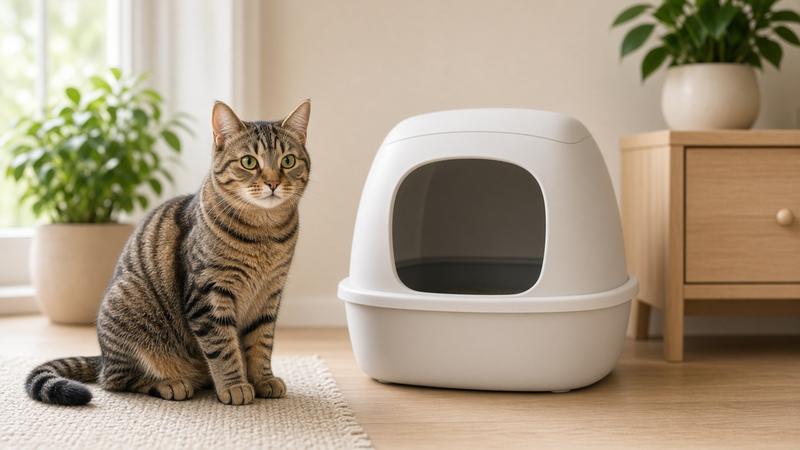
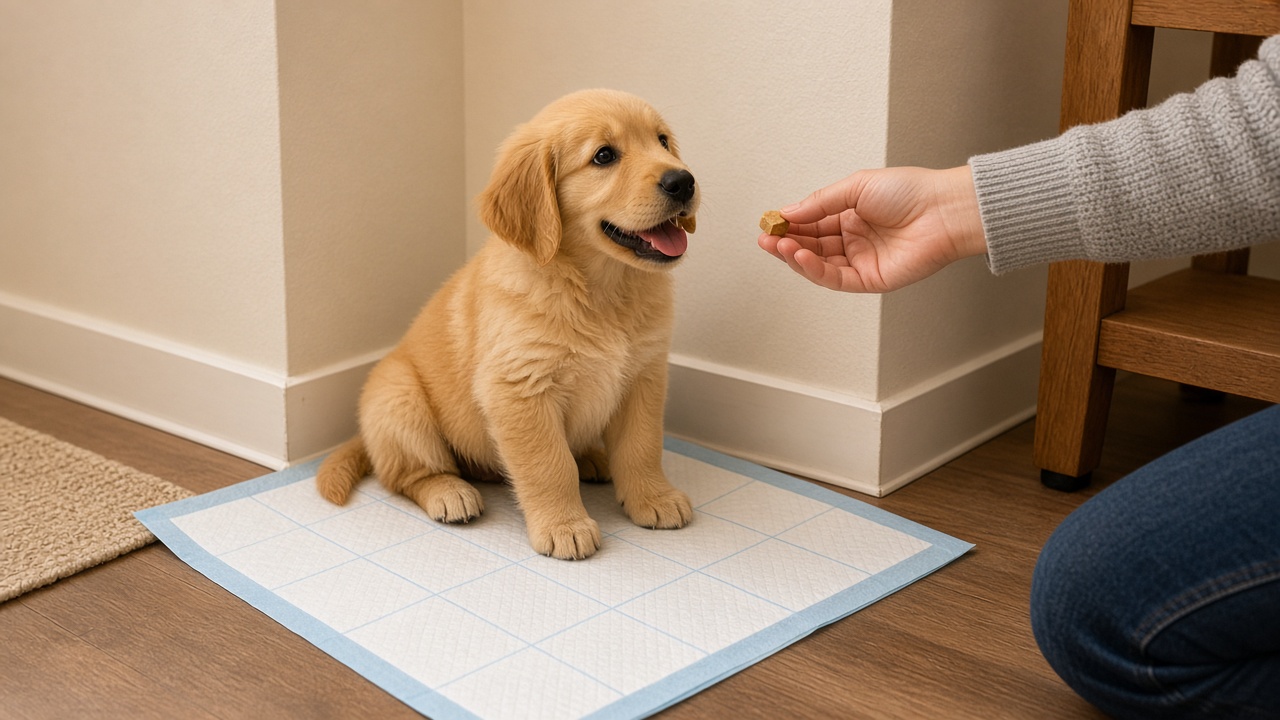
Decide where your puppy will go: a litter tray, a training pad, a sand area or a corner of the yard outside. Keep one fixed spot in the early stage. The familiar smell helps your puppy recognise it as the toilet area.
If your puppy isn't fully vaccinated yet, ask your vet before letting it toilet in public areas with many unfamiliar dogs. See the dog vaccination schedule.
Step 2: Set a regular daily routine
- Feed at fixed times each day; don't leave food out all day.
- Take your puppy to the toilet spot at the times above, and at regular intervals throughout the day.
- Use one short cue such as "go potty" every time you take it there.
Consistency is key. Everyone at home should use the same cue and the same routine.
Step 3: Reward immediately
When your puppy toilets in the right place, praise and reward it within a few seconds with a happy voice, a pat or a small treat. A late reward makes it hard for your puppy to understand what it's being praised for.
Step 4: Watch for signs it needs to go
Puppies often show signs such as:
- Circling and sniffing the floor
- Restlessness or soft whining
- Heading to the door or a hidden corner
- Suddenly squatting
When you see these signs, gently pick up or lead your puppy to the toilet spot right away.
Step 5: Limit space when unsupervised
When you can't watch your puppy, keep it in a small safe area such as a playpen, a crate of suitable size or a small room with a pad. Dogs generally don't want to soil their sleeping area, so a moderate space helps your puppy learn to hold on. Don't confine it for too long, and always provide fresh water.
Dealing with accidents
- Don't scold, hit or rub your puppy's nose in the mess. This makes it fearful, may cause it to toilet in secret, and makes training harder.
- If you catch it in the act, interrupt gently by calling its name, then take it to the right spot.
- Clean thoroughly with an enzyme odour remover. Leftover smells can draw your puppy back to the same place. Avoid cleaners with a strong ammonia smell.
- If you find the accident later, just clean it up; don't punish.
Common mistakes
- Changing the toilet spot often, which confuses your puppy.
- Irregular meal times, making it hard to predict when it needs to go.
- Giving free run of the house too early before training is complete.
- Impatience, expecting your puppy to learn in a few days.
- Each family member training a different way.
When to ask a vet
Sometimes accidents aren't about training but about health. Take your puppy to the vet if:
- It urinates very often, strains, passes blood or seems to be in pain.
- It was well trained but suddenly starts having accidents again.
- It has prolonged diarrhoea or abnormal stools.
- It drinks unusually large amounts of water.
The vet can check for causes such as urinary tract infection or intestinal parasites. Deworming on schedule is also an important part of puppy care; see How often to deworm dogs and cats.
Track your puppy's progress with PetID
In the PetID app, you can create a digital profile for your puppy and record its weight, vaccinations, deworming and daily habits. When you notice something unusual, open the app to find a vet clinic near you and book a visit quickly. You can also read more articles on vaccination and deworming for puppies on PetID.vn.
Conclusion
Potty training a puppy takes time, consistency and lots of praise. Choose a fixed spot, keep a regular routine, reward right away when your puppy gets it right, and never punish harshly. If your puppy has unusual accidents, ask a vet to rule out health causes.