Cat peeing outside the litter box: medical causes first, then behavior
Medical-first approach to feline inappropriate elimination, box and litter checklist, stress tips, and when to seek urgent care.
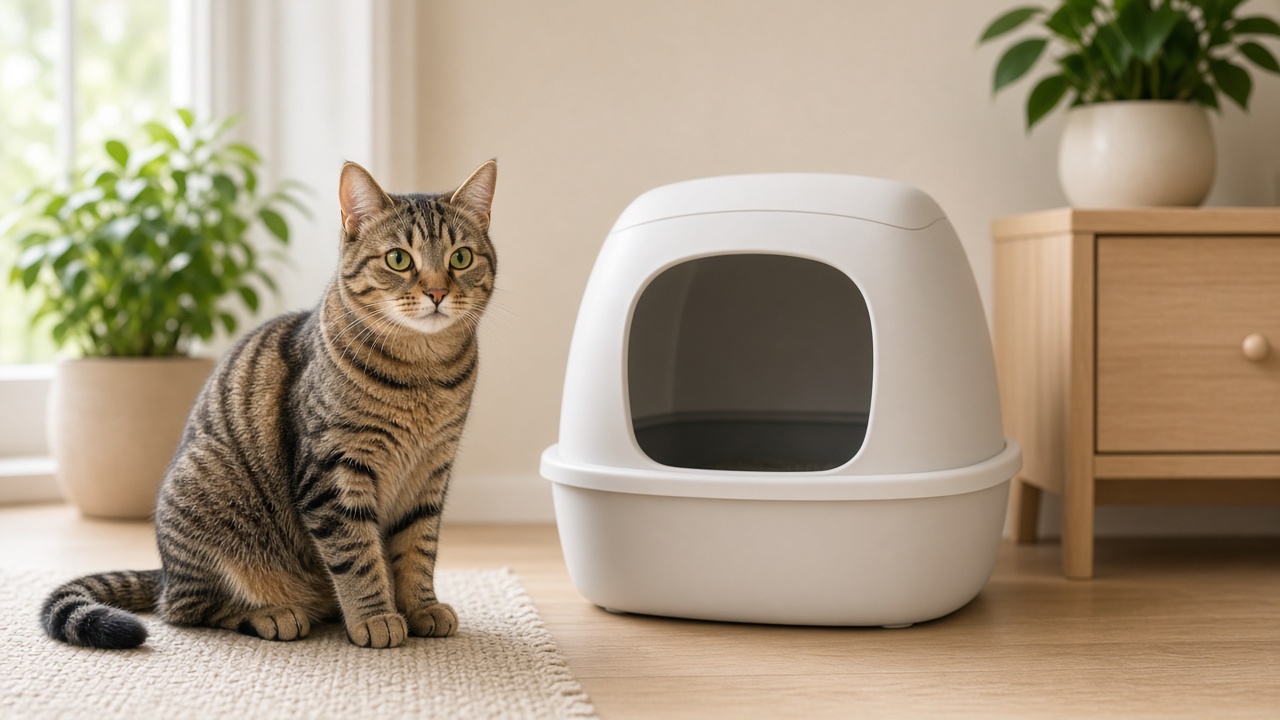
"Why is my cat peeing outside the box?", "Cat avoids the litter box", "How do I stop inappropriate urination?" — very common searches. Before assuming your cat is “being bad” or “getting revenge,” remember: many cases start with a medical problem (UTI, crystals/stones, constipation, joint pain…) and only then involve litter, box setup or stress. This guide keeps the right order: rule out disease → fix the environment → support behavior.
Note: This article is for general information only and does not replace a vet diagnosis. If your cat strains, has bloody urine, cries when toileting, has a swollen belly or cannot urinate — seek a clinic immediately (especially male cats: urethral blockage can be life-threatening).
Don’t start with punishment
Scolding, spraying water, confinement or rubbing a cat’s face in mess usually increases fear and can lead to more secret soiling. The goal is to find the cause and make the box the easiest, safest option.
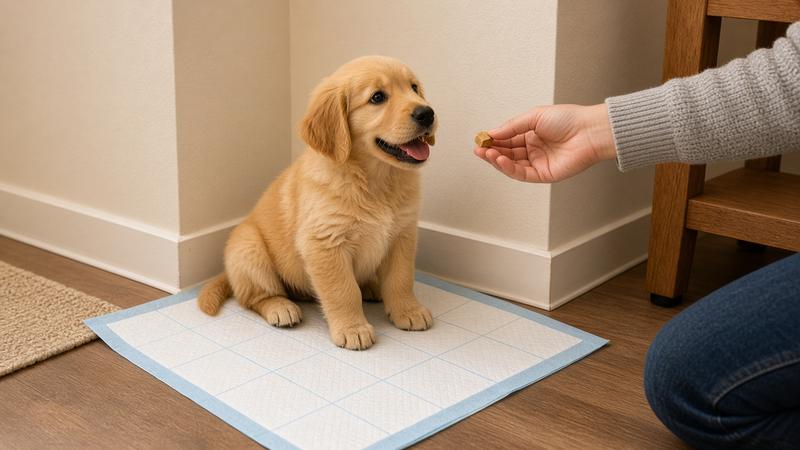
As with puppy potty training, consistency and timely rewards matter — for cats, the “reward” is often a clean box, a quiet location and no threats while toileting.
Step 1: Rule out medical causes first
See a vet if soiling is new, or if you also notice:
- Frequent attempts, straining, crying while urinating, pink/red urine, small puddles outside the box.
- Excess genital licking, fever, appetite loss, hiding.
- Diarrhea or constipation that makes the box aversive.
- Senior cats: arthritis that makes high-sided boxes hard to enter.
Your vet may suggest urinalysis, imaging and more depending on the case. Bloody urine or straining with little/no urine = emergency — don’t wait for Monday.
Only after disease is ruled out or being treated should you focus fully on litter-box behavior. For first-time owners, see what to prepare when raising a cat on placing boxes from day one.
Step 2: Check boxes, litter and how many you have
Practical points many vets/behaviorists mention (adapt to your home and individual advice):
- Number of boxes: often “number of cats + 1” (e.g. 2 cats → 3 boxes), in different areas — not lined up as one shared bank.
- Cleaning: scoop daily; wash the box periodically with mild soap — avoid strong fragrances.
- Litter type: many cats prefer fine, clumping, unscented litter. Change types gradually.
- Box style: open boxes are easier for some cats than covered ones; low entry helps seniors and kittens.
- Location: quiet, easy to reach — not next to a loud washer, food bowls or a busy hallway.
- Don’t place food and water beside the box.
In multi-cat homes, one cat blocking another’s path to the box is a common reason for soiling — watch hallways and hidden corners.
Step 3: Stress and household change
Cats are sensitive to:
- Moving house, new guests, new pets, noisy renovations.
- Sudden box relocation, empty litter, or kids disturbing them mid-toilet.
- Conflict between cats (chasing, resource guarding).
Support: more hiding spots / vertical space, steady routines, synthetic pheromones only if a vet/behavior professional suggests them, and enough separate resources (boxes, water, food, beds) for each cat.
Clean soiled areas the right way
- Blot up urine/feces with paper towels.
- Use a pet urine enzymatic cleaner as labeled — regular scented floor cleaners often don’t remove urine odor fully, so cats return to the same spot.
- Temporarily limit access if you can, or use washable covers during retraining.
- Avoid ammonia-based cleaners (smell can resemble urine).
When to see a vet / behavior help again
- Medical causes cleared but soiling continues.
- Soiling plus aggression, intense fear or ongoing multi-cat conflict.
- Intact or neutered males still spraying — needs a tailored medical + environment plan.
Book a vet visit online to rule out UTI/crystals before treating the issue as “training only.”
FAQ
Is my cat peeing outside the box for revenge?
Usually no. Painful urination, a dirty/unsuitable box or stress are far more common. Blaming “spite” delays real care.
We already punished the cat — can we still fix it?
Stop punishment immediately. Focus on a medical check + box setup. Punishment damages trust and can worsen the problem.
Should I confine my cat in a small room with a box to retrain?
Only short, carefully planned confinement under vet/behavior guidance with positive interaction — not multi-day punitive lockdown.
My cat is neutered and still pees outside the box?
Still possible from urinary disease, residual marking, or litter/stress issues. Always start with a health exam.
How PetID helps
- Digital records for when soiling started, urine color, lab results and recheck dates.
- Book a vet visit online at partner clinics for blood in urine, straining or sudden soiling.
- Learn about the PetCare cost-support plan (cost support at partner clinics — not insurance).
Key takeaways
- Litter-box soiling: rule out disease first, then fix boxes, litter and stress.
- Blood, straining, no urine (especially males) = emergency.
- No punishment; clean with enzymes; enough clean, well-placed boxes.
- Multi-cat homes: separate resources and reduce conflict.
Create a PetID profile to log urinary signs and book care when you need it.