Getting your first cat: the complete checklist
Getting your first cat? A checklist of supplies, choosing litter and food, cat-proofing your home, the first vet visit and costs for a smooth welcome home.
Have you just decided to get a cat? Congratulations, you're about to become a true cat parent! The first days of bringing your boss home are always a mix of excitement and uncertainty. This article is a complete checklist to help you prepare from A to Z, so your fur baby quickly sees their new home as their own "territory".
Before you bring a cat home: ask yourself a few questions
Owning a cat is a long-term commitment, because a cat can share your life for many years. Before bringing one home, consider:
- Do you have enough time to play, clean the litter box and care for your cat every day?
- Does your home (or your landlord, if you rent) allow pets?
- Is anyone in your household allergic to cats?
If possible, consider adopting a cat from a rescue group. So many cats are waiting for a home.
Supplies checklist
Essentials
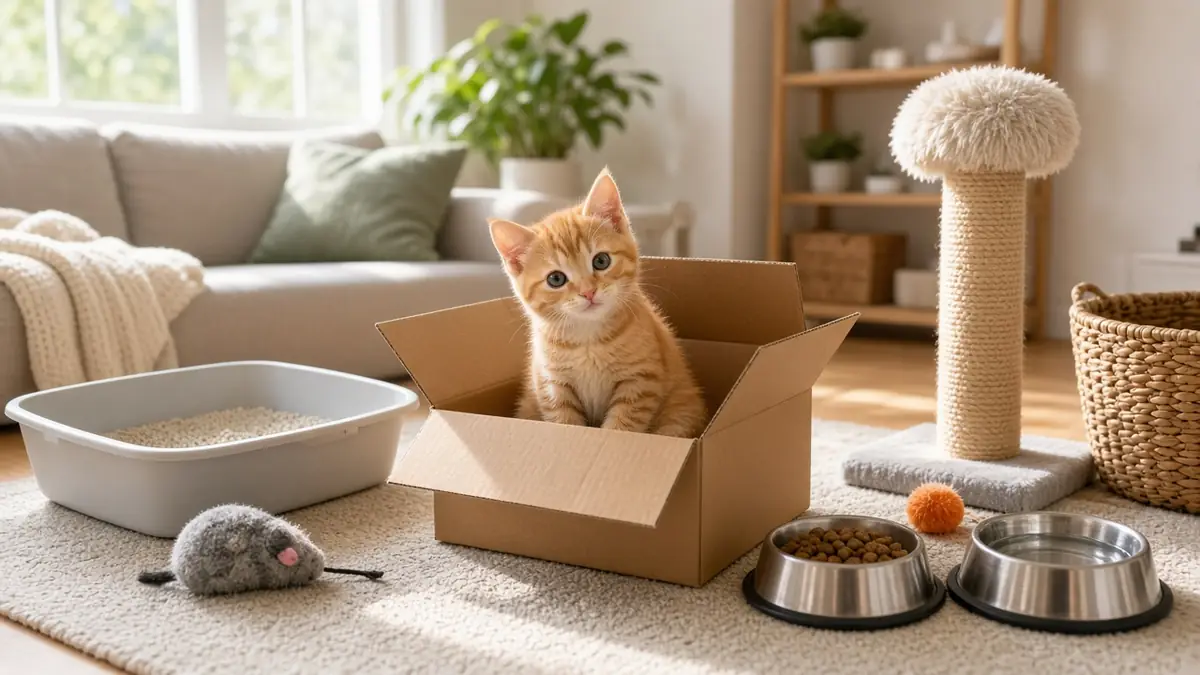
- A sturdy carrier with a secure latch: for bringing your cat home and for vet visits.
- Food and water bowls made of ceramic or stainless steel, easy to clean.
- A litter box and litter, plus a scoop.
- Age-appropriate food (ask where you got your cat what they're currently eating).
- A scratching post or pad so your cat can sharpen their claws and spare your sofa.
- A soft bed placed in a quiet corner.
- A safety collar with a name tag or QR tag.
Nice to have
- Toys: feather wands, small balls, catnip toys.
- A box or "den" for your cat to hide in when anxious; a cardboard box works perfectly!

Cat-proofing your home
Cats are very curious and love to climb and squeeze into small spaces. Before your cat arrives, walk around your home and:
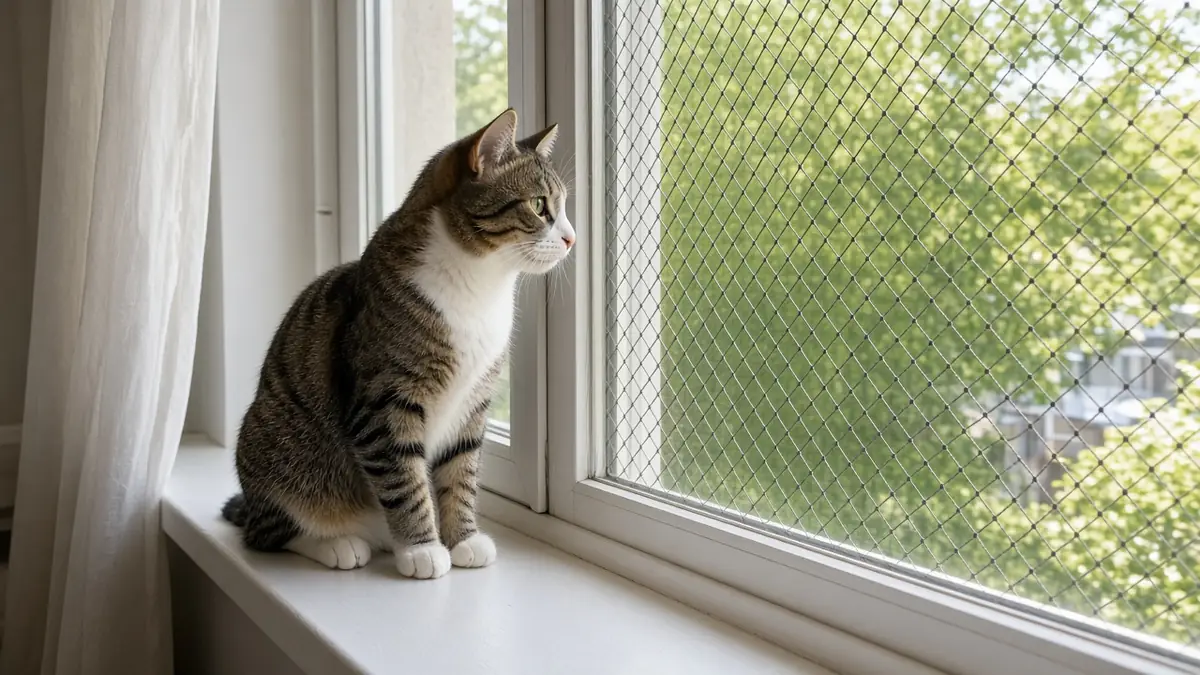
- Install mesh on windows and balconies: This is the single most important step for apartments and multi-story homes.
- Tidy away electrical and charging cables, or use cord covers so your cat can't chew them.
- Put away small objects like rubber bands, needles and thread, yarn and plastic bags, because your cat could swallow them.
- Check your houseplants: Some plants and flowers can be toxic to cats, lilies for example. Do your research or keep plants out of reach.
- Store cleaning chemicals and human medicines in cabinets with doors.
- Check the washing machine and dryer before switching them on.
The litter box: setting it up so your cat will use it
- Location: Put the box somewhere quiet and private, away from food and water. Cats don't like to go to the toilet next to their food bowl.
- Size: The box should be large enough for your cat to turn around comfortably. Kittens do best with a low-sided box that's easy to step into.
- Type of litter: There are many types, such as clay, tofu and wood litter. At first, use the kind your cat is used to from their previous home, then switch gradually if needed.
- Cleaning: Scoop daily and replace the litter regularly. A dirty box is a common reason cats go to the toilet in the wrong place.
Feeding your cat
Cats are carnivores and need a protein-rich diet. The simplest approach is to choose dry food or wet food (pâté) made specifically for cats and suited to their life stage (kitten, adult, senior).
- Change food gradually: Mix new food with the old food over several days to avoid an upset stomach.
- Fresh water always available: Many cats prefer running water or a bowl placed away from their food.
- Don't share human food carelessly: Onions, garlic, chocolate, grapes, and very salty or heavily seasoned food can be harmful to cats. Cow's milk can also give many cats diarrhea.
Ask your vet about the right portion for your cat's weight and age.

The first vet visit
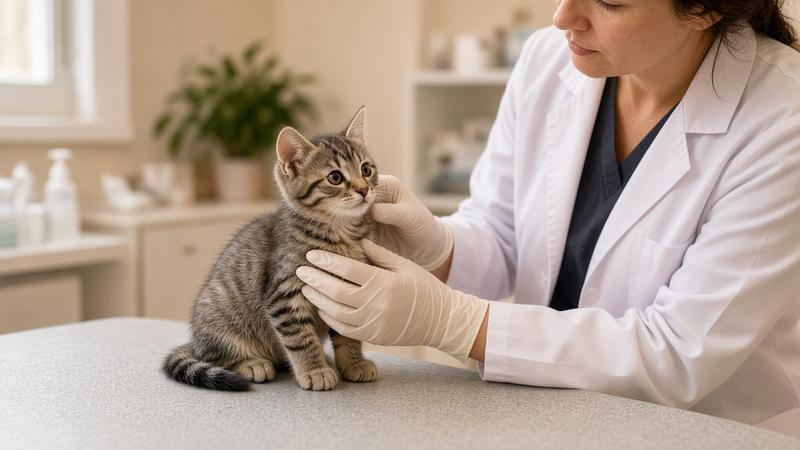
Take your cat for a check-up within the first few days of bringing them home, even if they look healthy. During the visit, the vet will usually:
- Do a general health check of the ears, eyes, teeth, coat and skin.
- Advise on a vaccination, deworming, and flea and tick prevention schedule suited to your cat's age.
- Discuss the right time for spaying or neutering if you're interested.
Don't forget to bring any health papers from where you got your cat (if available). After the visit, log the vaccination date and next appointment in your electronic vaccine record so you don't miss it. If your cat has swelling or discomfort after a shot, read our article on swelling after vaccination and contact your vet.
Helping your cat settle in
In the first few days, your cat may hide under the bed, eat less or meow a lot. This is completely normal. You can:
- Prepare a small "safe room" with a litter box, food and water bowls, a bed and a hiding spot.
- Let your cat explore on their own terms: Don't pull them out of their hiding spot. Sit nearby, talk softly and let them come to you.
- Expand their space gradually: As your cat gains confidence, let them explore more rooms.
- Introduce other pets slowly, starting with scent before a face-to-face meeting.
See also our checklist for preparing to bring a new dog or cat home so you don't miss anything.
What does owning a cat cost?
Costs depend on where you live and the products you choose, but you can divide them into groups:
- Startup costs: carrier, litter box, bowls, bed, scratching post, collar and ID tag, the first vet visit, core vaccinations, and spaying or neutering (if applicable).
- Monthly costs: food, litter, replacement toys, regular deworming and flea and tick prevention.
- Emergency fund: set aside some money for unexpected illnesses.
Ask for prices at a few shops and clinics near you to plan a suitable budget. You can also find supplies for your cat at the PetID Shop.
Get PetID from day one
Indoor cats can still get lost: a door left open, or a frightened cat wriggling out of the carrier on the way to the vet. That's why you should set up ID for your cat from the very first day. With a PetID QR tag on a safety collar, anyone who finds your cat just scans the code to contact you. Read how to choose a collar for dogs and cats to pick one that fits your cat well.
Create a profile for your cat in the PetID App: photos, identifying features, date of birth, vaccine record and vet history, all neatly stored on your phone. If your cat ever goes missing, you can post on the lost pets page right away.

Final thoughts
With careful preparation, you'll have an adorable little friend by your side every day. If your cat arrives during the cold season, read our guide to cold-weather care for dogs and cats. And when Tet comes, our article on boarding your dog or cat over Tet will help you head home with peace of mind. Wishing you and your new boss lots of joy together!