Preparing to bring a new dog or cat home: a checklist for first-time owners
A checklist for bringing a new dog or cat home: supplies to buy, setting up a safe space, the first days together, a vet visit and creating your pet's profile.
Before your pet arrives: what should you prepare?
Bringing a new dog or cat home is exciting, but it is also a commitment that lasts many years. Before the big day, talk with your family about who will feed, who will clean up, who will walk the pet, and whether anyone is allergic to fur. Ask whoever is handing over your pet (a breeder, previous owner or rescue) about its age, current food, habits and any vet or vaccine papers. Preparing ahead makes the first day easier for your pet, and you will not be scrambling for missing supplies.
Basic supply checklist for a new pet
You do not need to buy everything at once, just the essentials:
- Easy-to-wash food and water bowls.
- The same food your pet was eating before.
- A bed or cushion, plus an open crate as a safe "den" if you like.
- A litter box and litter for cats, training pads for puppies.
- A well-fitted collar or harness, a leash and an ID tag.
- A brush, towels and a few safe toys.
- A carrier for the trip home and vet visits.
You can find more supplies and accessories at the PetID Pet Shop.

Pet-proofing your home
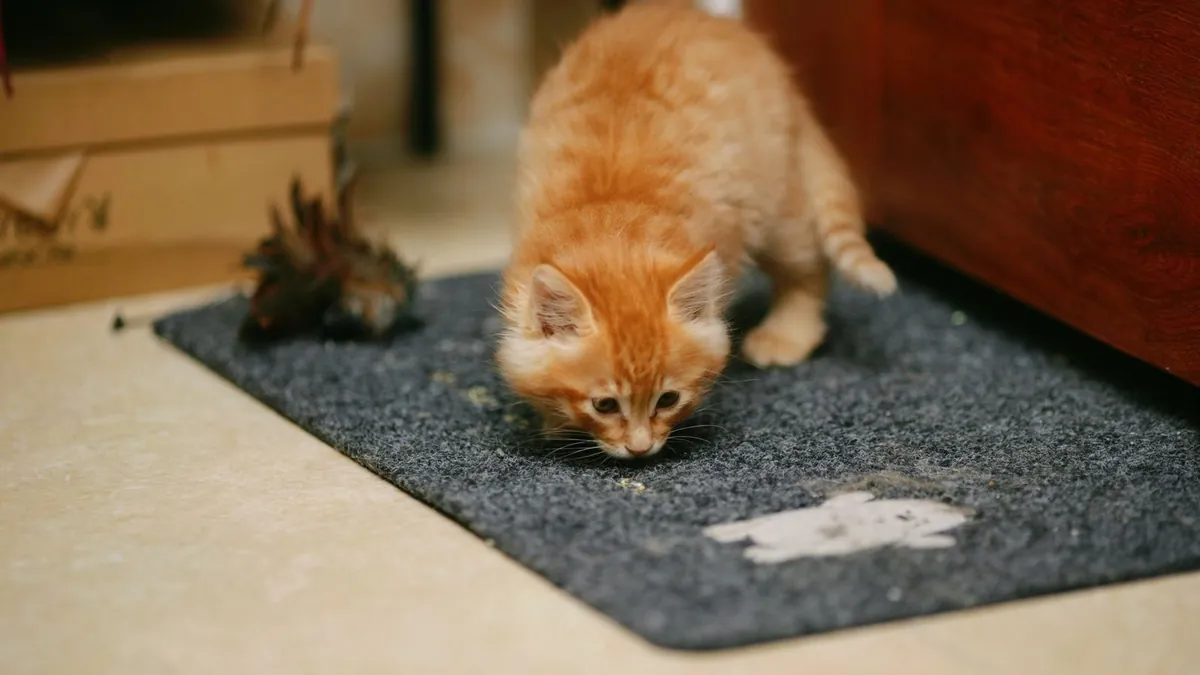
A new pet is curious and will sniff, chew and squeeze into every corner. Tidy away electrical and charging cables, plastic bags and small items that could be swallowed, and lock up cleaning products and human medicines. Check windows, balconies and gaps in the gate, since these are where pets most easily escape or fall. Some houseplants may not be safe for dogs and cats, so look them up or ask a vet before letting your pet near them. Finally, give your pet a quiet corner of its own with a bed, water and toys so it has somewhere to hide when things feel new.
The first days: help your pet settle in slowly
On the first day your pet may be scared, hide or eat a little less. That is normal. Let it explore one small room first before opening up the rest of the house. Keep visitors to a minimum and avoid constant cuddling or noise. If you already have other pets, let them get to know each other by scent first, then short supervised meetings, without forcing it. Keep regular times for meals and toilet breaks so your pet learns the routine quickly. If your pet refuses food for a long time, vomits, has diarrhoea or seems lethargic, take it to the vet early.

Visit the vet and create your pet's profile
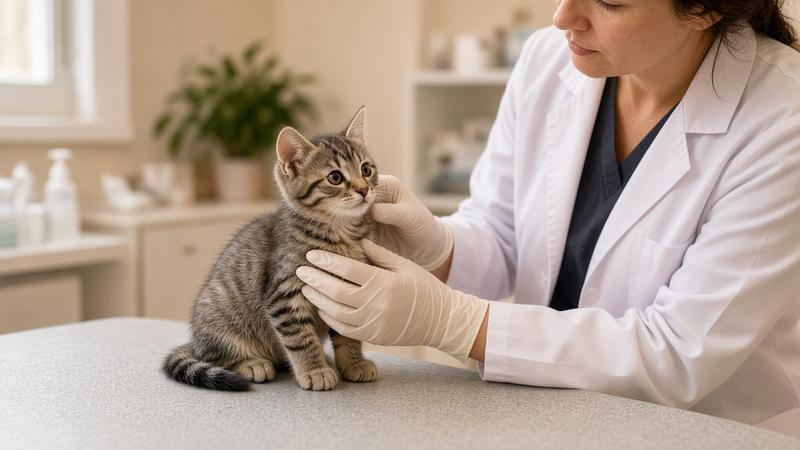
In the first few days, take your pet for a general check-up so the vet can examine its health and advise on a vaccination and deworming schedule suited to its age. Bring all the papers from its previous home. After the visit, create a profile for your pet in the PetID App: a clear face photo, identifying marks, vaccine dates and vet visits. With the profile ready, you will not have to remember everything from scratch at the next appointment, and if your pet ever gets lost, you will have photos and details ready to post right away.
Your pet is home. Do not forget to give it an "address"
A new pet does not know its home yet, which makes this the time it is most likely to run off, especially when a door is open or there is a loud noise. From day one, have your pet wear a collar with your contact details. With a PetID QR collar and ID tag, anyone who finds your pet just scans the code to reach you. Get the supplies, pet-proof your home, visit the vet and attach an ID tag, and you are ready to start a new journey with your pet!