How to bathe a dog correctly at home: a step-by-step guide
How to bathe a dog the right way: frequency, prep, rinse–dry steps and common mistakes that dry skin or invite ear trouble.
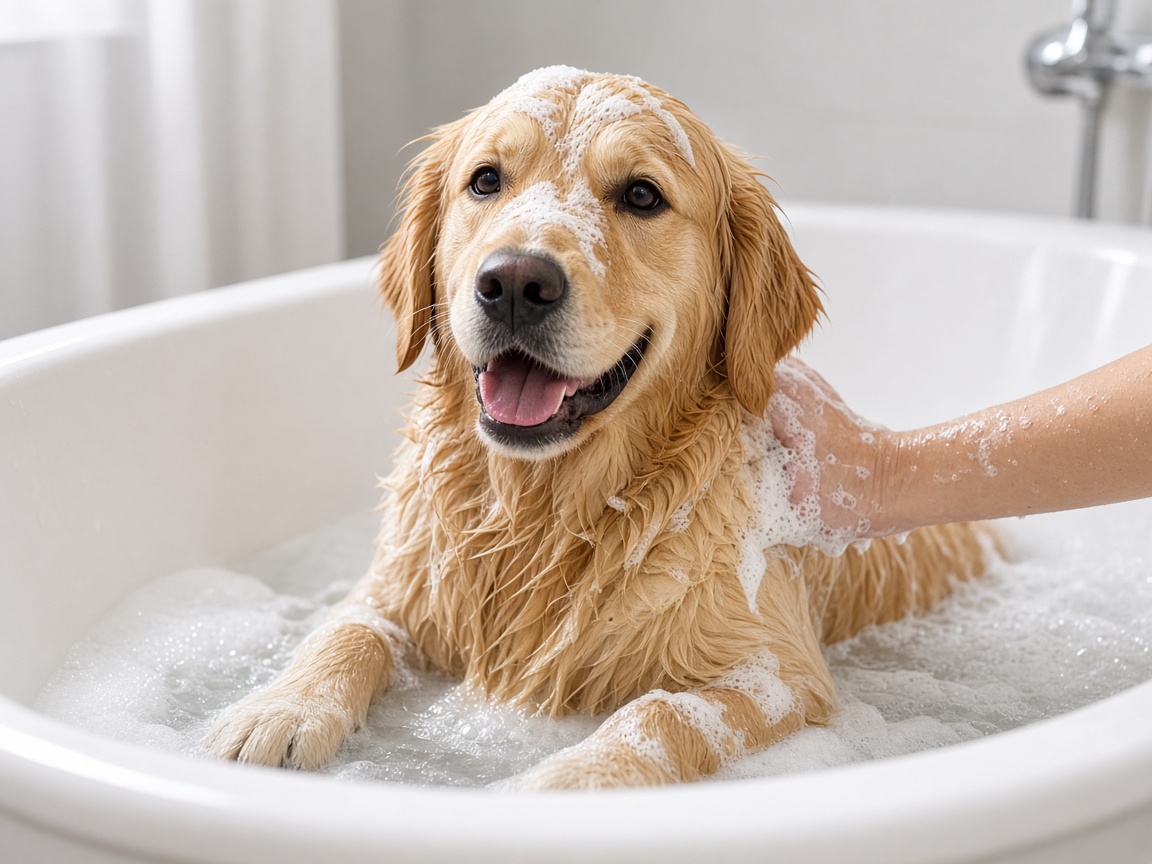
Many owners search "how to bathe a dog correctly", "how often to bathe a dog", or "safe dog shampoo" when a pet smells, looks dirty, or has a vet visit or event coming up. A good bath cleans skin and coat and helps you spot ticks or dermatitis; a bad bath (too often, hot water, human shampoo) can dry the skin, worsen itch, and raise ear infection risk.
Note: This article is for general information only and does not replace a vet or groomer. Dogs with severe skin disease, recent surgery, seizure risk around water, or suspected contagious illness should get veterinary advice before bathing.
How often should you bathe a dog?
There is no single interval for every breed. Practical guidance for healthy dogs with normal skin:
- Many need only about every 4–8 weeks, or when visibly dirty / smelly.
- Oily coats, mud-lovers, or medicated skin plans differ — follow a vet or groomer.
- Bathing too often with strong shampoo strips protective oils → itch, dandruff, dermatitis.
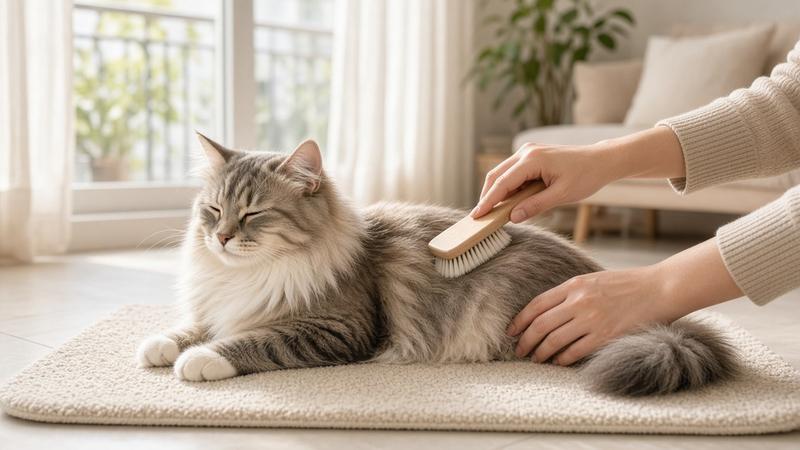
- Between baths: brush, wipe dirty areas with a damp cloth, clean paws after walks.
If the dog is on tick–flea spot-ons, read the label — some products need a no-bath window before/after application.
Prepare before the bath
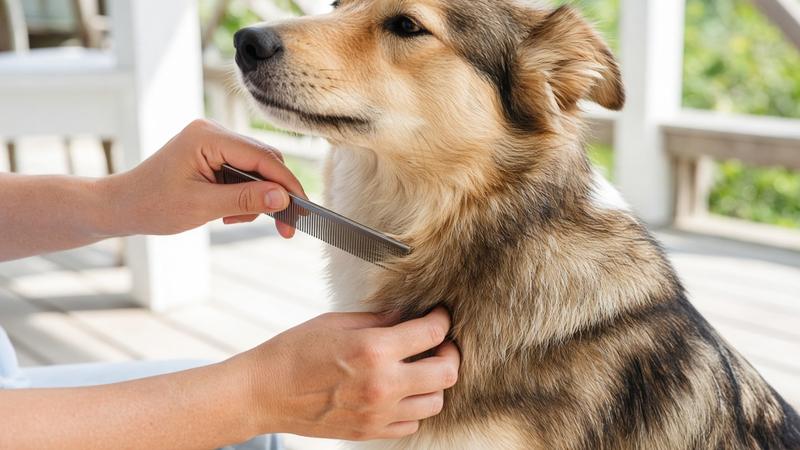
- Brush out mats; remove loose undercoat (especially double coats).
- Ready: dog shampoo (or vet-prescribed), towels, cup / gentle sprayer, ear protection only if a vet/groomer showed you how, non-slip mat.
- Water lukewarm, near body temperature; test on your wrist.
- Draft-free space; a helper if the dog is large or wriggly.
- No human shampoo, dish soap, or strong DIY oil/vinegar "hacks".
Step-by-step bathing
- Wet the coat evenly from the neck down; keep hard spray off the face and ears.
- Apply dog shampoo as directed; work with the coat to the skin without scrubbing raw.
- Keep soap out of eyes, nose, and mouth; around the eyes use only a clean damp cloth.
- Rinse thoroughly until the coat is not slippery — leftover suds often cause post-bath itch.
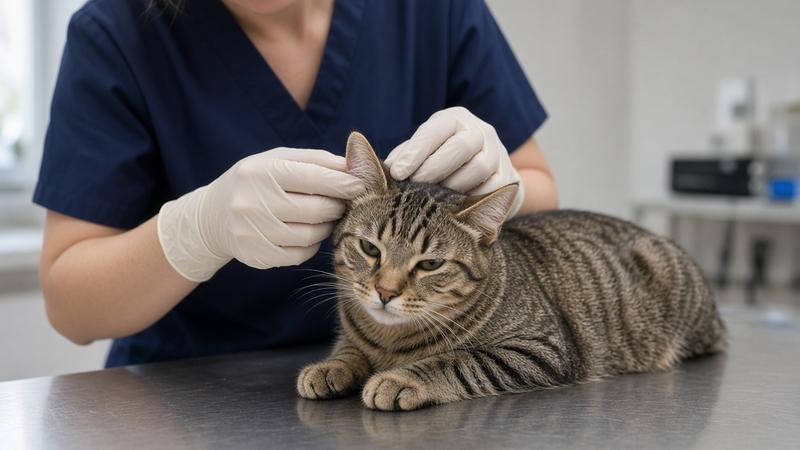
- Pinna and canal opening: towel-dry gently; do not swab deep or pour water into the canal.
- Towel blot, then a cool/low warm dryer if tolerated — never a hot dryer on the skin.
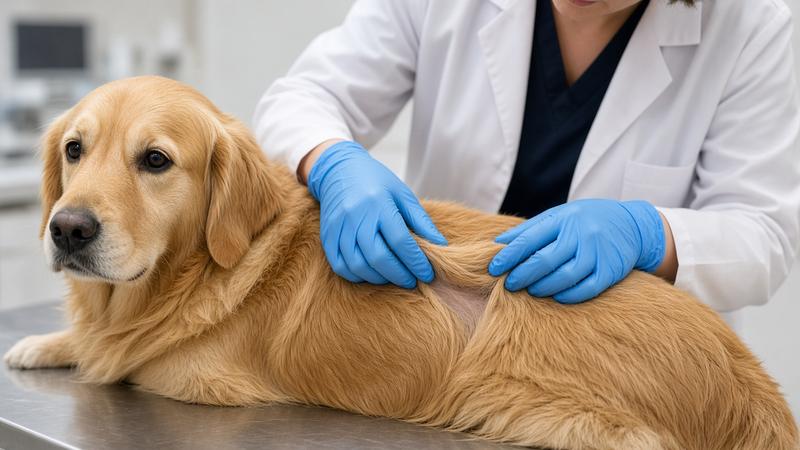
- Afterward: rest somewhere warm; check skin (mange–dermatitis, redness, small lumps) and between toes.
Nervous dogs: split steps, use treats, never shout. Very stressed pets may do better with an experienced salon.
Common bathing mistakes
- Bathing too often or using human shampoo with the wrong pH.
- Water too hot or cold; drafts right after the bath.
- Incomplete rinse; water left in ears → higher ear infection risk.
- Bathing during severe diarrhea, fever, or when a wound/surgery must stay dry.
- Rough handling of seniors or dogs with sore joints.
- Skipping the pre-brush → wet mats tighten and pull the skin.
Keeping vaccines and deworming on schedule supports coat health more than any "premium" shampoo alone.
FAQ
How young can a puppy be bathed?
Usually after temperature control is stable and per your vet / breeder — many practical guides wait several weeks of age and avoid chilling. Ask for your puppy.
Do I need medicated shampoo?
Only when a vet prescribes it (yeast, dermatitis, mites…). Do not self-start long medicated courses.
Can they run outside right after?
Towel/dry first and avoid drafts and dirt. Let the coat dry fully before the next mud roll.
How PetID helps
- Log bath dates, shampoo used, and skin reactions (itch, redness).
- Book a vet visit online if heavy itch, smelly ears, or a rash follow a bath.
- Learn about the PetCare cost-support plan when longer skin care may be needed (cost support — not insurance).
Key takeaways
- Right frequency, dog shampoo, lukewarm water, and a thorough rinse.
- Dry the pinna; never flood or deeply swab the canal.
- Brush first, avoid drafts after; skip human shampoo.
- Odd skin or a sick dog: ask a vet first.
- PetID stores bath history and skin reactions over time.
Create a PetID profile to track coat care and book help when you need it.