
Ringworm in Cats: Signs, Can People Catch It, and Treatment
How to recognise ringworm in cats, the risk of it spreading to people, treatment options and how to clean your home so your cat doesn't get reinfected.
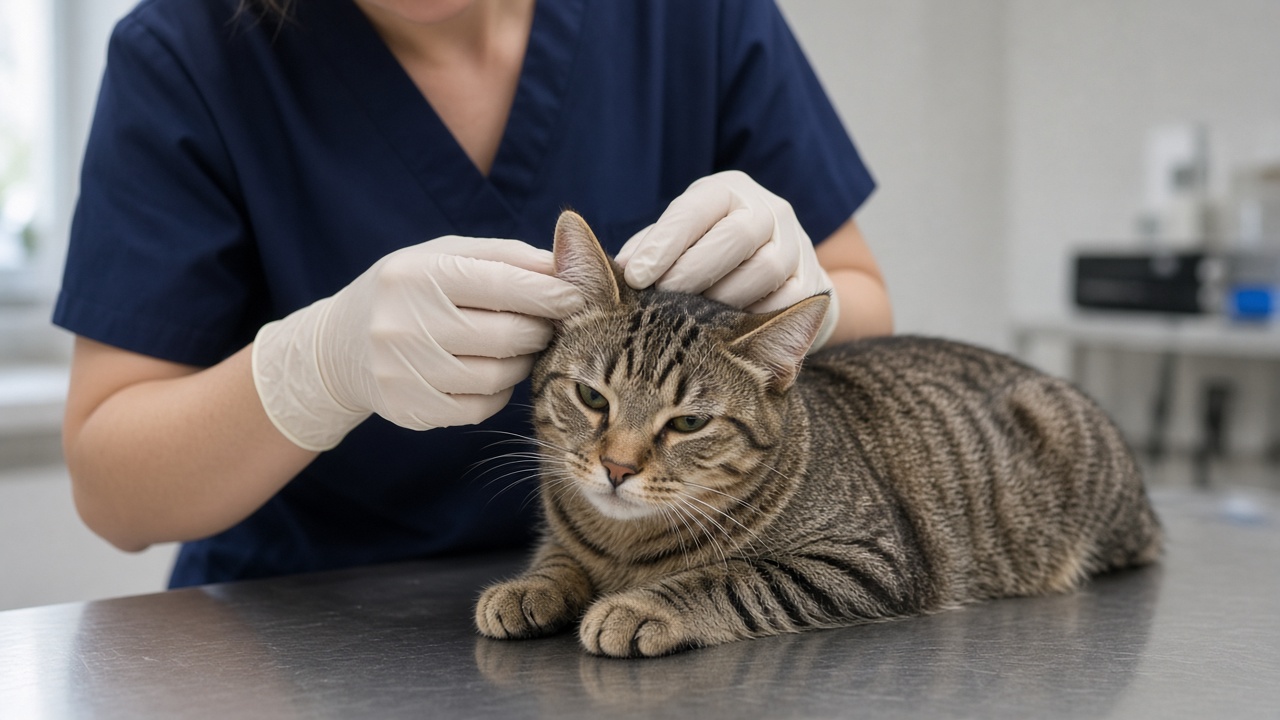
"Does ringworm in cats go away on its own?", "Can people catch ringworm from cats?", "What can I put on my cat's ringworm?" These are common questions among cat owners. Ringworm is a fungal skin disease that is common in cats, especially kittens and cats living in crowded environments. This article helps you recognise it, deal with it correctly and keep it from spreading to your family.
Note: This article is for reference only. Many skin conditions look alike, so a vet needs to diagnose your cat and prescribe suitable treatment.
What is ringworm in cats?
Ringworm (dermatophytosis) is caused by certain fungi that live on the skin, hair and claws, most commonly Microsporum canis. Despite the name, no worm is involved. Fungal spores can survive for a long time in the environment, such as in bedding, brushes and floor cracks.
Cats are more likely to get it when they:
- Are kittens, seniors or have weakened immunity.
- Live with many cats, have just been adopted or have been in contact with a sick cat.
- Live in damp or unhygienic conditions.
- Belong to certain long-haired breeds.
Signs of ringworm in cats
- Round or irregular patches of hair loss, often on the face, ears or legs.
- Scaly, flaky, red or crusty skin.
- Broken, brittle hair around the affected area.
- Mild itching or none at all.
- Claws may also be affected.
Some cats carry the fungus with very mild signs. Hair loss and skin inflammation can also be caused by ticks and fleas, mites, allergies or other conditions, so a vet should examine your cat and run tests (such as a UV lamp check, hair microscopy or fungal culture) to confirm.
Can people catch ringworm from cats?
Yes. Ringworm in cats can spread to people and other pets through direct contact or through objects carrying spores. Young children, older adults and people with weakened immunity are more susceptible. In people it usually appears as round, red, itchy patches. If you notice this, see a dermatologist.
To limit the spread:
- Wash your hands after holding or caring for your cat.
- Avoid letting a cat under treatment sleep in your bed, especially with young children.
- Keep your cat in an easy-to-clean area during treatment.
Does ringworm in cats go away on its own?
Some mild cases may improve on their own, but this usually takes time, and meanwhile your cat can still infect people and other animals. So don't wait for it to clear up; take your cat to the vet for complete treatment.
Treating ringworm in cats
Depending on severity, your vet may prescribe:
- Topical treatments or medicated baths/dips with antifungal products made for pets.
- Oral medication for widespread or long-lasting cases.
- Clipping the fur around affected areas if needed.
- Follow-up visits and repeat tests to confirm the fungus is really gone, rather than relying only on hair growing back.
Ringworm treatment usually lasts several weeks or longer. Complete the full course and don't stop when your cat looks better.
What not to do
- Don't use human antifungal creams on your cat: cats groom themselves and may swallow the medicine.
- Don't use essential oils, alcohol or folk remedies on your cat's skin.
- Don't bathe too often with unsuitable shampoos that dry out and irritate the skin.
Cleaning your home when your cat has ringworm
This is as important as the medicine, because fungal spores in the home can reinfect your cat:
- Vacuum regularly and dispose of the vacuum bag or contents afterwards.
- Wash bedding, cushions and fabric items in hot water.
- Clean floors, litter trays, cages and brushes with a disinfectant your vet recommends.
- Treat or check every pet in the home.
Preventing ringworm in cats
- Keep the home dry and airy, and clean sleeping areas regularly.
- Isolate a new cat and take it to the vet before it meets your other cats.
- Provide good nutrition, and keep deworming and parasite prevention on schedule. See How often to deworm dogs and cats.
- Check the skin and coat when brushing to spot problems early.
Frequently asked questions (FAQ)
What can I put on my cat's ringworm?
Use medicine prescribed by your vet for the severity of the infection. Don't use human medicines on your cat.
How long does ringworm in cats take to clear?
Usually several weeks or more, depending on severity and how well the home is cleaned. Your vet will confirm it has cleared through follow-up visits and tests.
Should I bathe a cat with ringworm?
Only with antifungal products and as often as your vet advises. Dry your cat thoroughly afterwards.
Can we keep a cat with ringworm in a home with young children?
Ringworm is treatable. During treatment, limit close contact between children and the cat, wash hands well and clean the home. If a child has a red, itchy patch of skin, take them to a doctor.
PetID is here to help
- Book a vet visit online at partner clinics when your cat has hair loss or unusual scaly skin.
- A digital health record stores visits, medicines used and follow-up dates.
- Learn about PetCare plans with pet care cost support to be better prepared for your pet's care.
Summary
- Ringworm is common in cats and can spread to people and other pets.
- Round patches of hair loss and scaly skin are signs to see a vet.
- Complete the full treatment prescribed by your vet, and clean your home thoroughly.
- Don't use human medicines or folk remedies on your cat.
Create your cat's profile on PetID to track treatment and book follow-up visits on time.