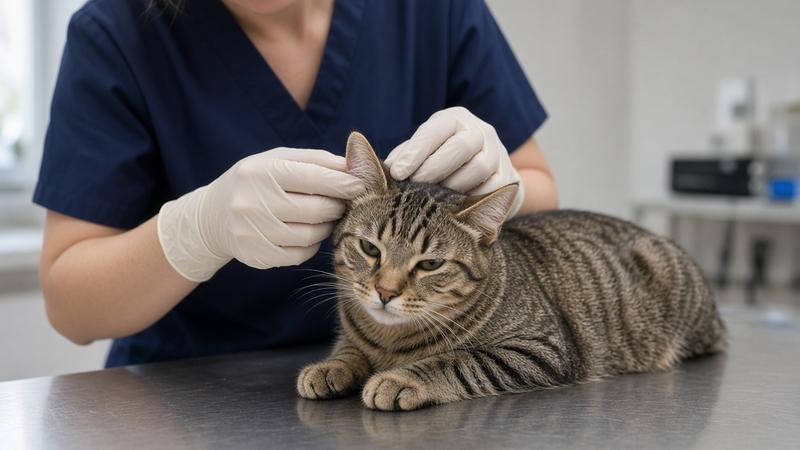
Ticks, Lice and Fleas on Dogs: Safe Treatment and Prevention at Home
How to spot and safely deal with ticks, lice and fleas on dogs, mistakes to avoid and how to prevent them long term.
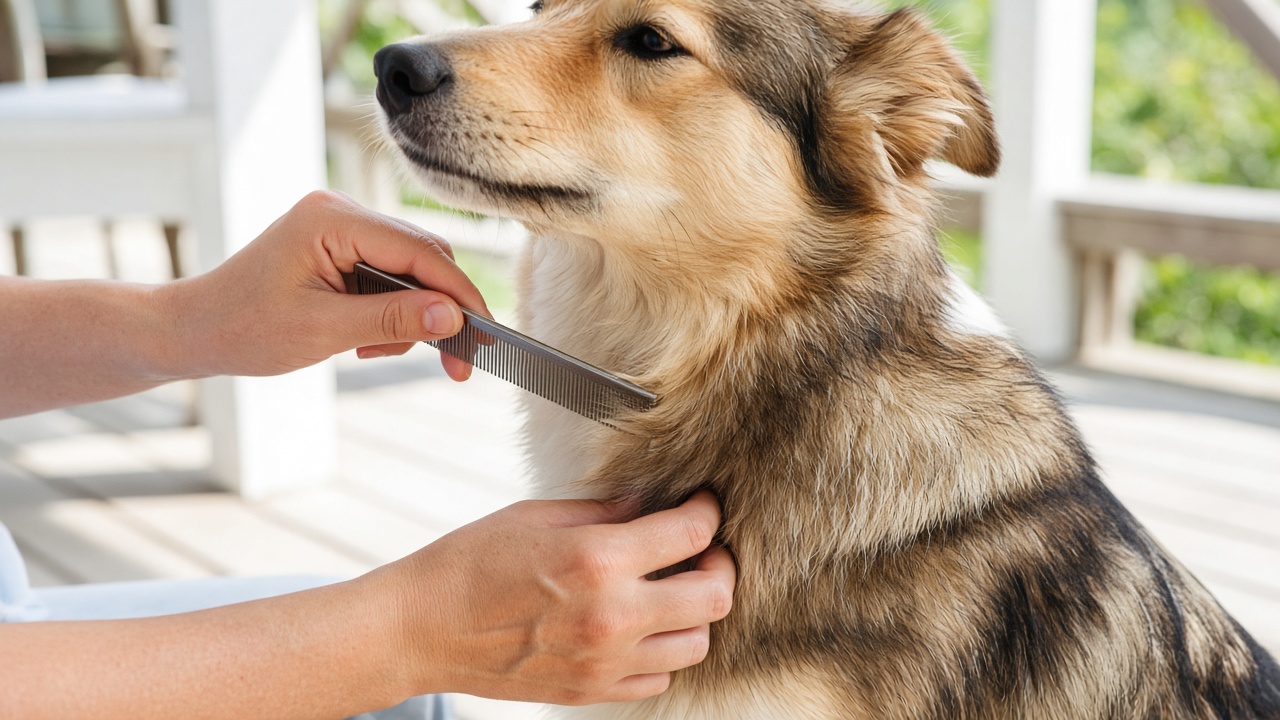
"My dog has ticks, what should I do?", "Which herbal bath gets rid of ticks?", "Are oral tick treatments better than spot-on drops?" These questions are very common, especially in hot, humid seasons. Ticks, lice and fleas don't just make dogs itchy; they can also spread disease. This article explains how to spot them, deal with them safely and prevent them long term.
Note: This article is for reference only. The product and dose should be prescribed by a vet based on your dog's weight, age and health.
How do ticks, lice and fleas harm dogs?
- Itching and constant scratching, hair loss, scratches and skin inflammation.
- Flea allergy: some dogs are very sensitive, and just a few bites can cause intense itching.
- Anaemia in heavy infestations, especially in puppies.
- Disease transmission: ticks can transmit some blood parasites; fleas are linked to tapeworm.
- Spreading to people and the home: fleas can bite people and breed in bedding, rugs and floor cracks.
Signs your dog has ticks, lice or fleas
- Unusually frequent scratching, biting or licking.
- Ticks attached around the ears, between the toes, on the neck, armpits or groin.
- Small black specks in the coat (flea dirt); placed on damp paper, they leave reddish-brown smudges.
- Red skin, rashes or patchy hair loss, especially on the lower back near the tail.
- Tiredness, pale gums, fever or loss of appetite: see a vet right away.
How to treat ticks, lice and fleas safely
1. See a vet to choose the right product
There are many forms: spot-on drops, oral tablets, sprays, collars and shampoos. Each has pros and cons and different minimum ages and weights. There is no "best for every dog"; your vet will advise based on your dog's situation.
2. Remove ticks correctly
- Wear gloves and use fine-tipped tweezers or a tick remover.
- Grip close to the skin and pull straight out slowly; don't twist or jerk, to avoid leaving the head behind.
- Disinfect the skin and wash your hands afterwards.
- Don't use fire, petrol or pour alcohol directly onto the tick.
3. Treat the living environment
Most fleas (eggs and larvae) live in the environment, not just on the dog. So:
- Wash bedding, cushions and toys in hot water and dry them thoroughly.
- Vacuum rugs, sofas and floor cracks regularly.
- Clear tall grass around the house if you have a yard.
- Ask your vet or a partner pet shop about environmental products that are safe for pets.
4. Treat every pet in the home
If you have several dogs and cats, treat them all at the same time; otherwise ticks and fleas will keep passing between them.
Do herbal baths for ticks work?
Folk remedies such as herbal baths, lemon juice rinses or medicated oils have no clear proof of effectiveness and can irritate the skin, or even poison a dog that licks them off. Essential oils (such as tea tree) can be toxic to dogs and cats. It's best to use only pet-specific products recommended by your vet.
Mistakes to avoid
- Using a dog tick product on a cat. Some ingredients safe for dogs are highly toxic to cats.
- Using an adult dog's product on a puppy or splitting doses yourself.
- Combining several products without asking your vet.
- Treating only the dog and ignoring the home, so fleas come back.
- Stopping prevention once ticks disappear: keep it up on schedule.
Long-term prevention of ticks, lice and fleas
- Use preventive products regularly, as directed by your vet.
- Check the coat, ears and paws after every walk, especially through grass.
- Bathe and brush your dog and clean its bed regularly.
- Deworm regularly, as fleas are linked to tapeworm. See How often to deworm dogs and cats.
Frequently asked questions (FAQ)
Are oral tick treatments better than spot-on drops?
Each form has its own advantages. The choice depends on your dog's age, weight, skin condition and habits. Let your vet advise.
Do dog ticks bite people?
Ticks and fleas can bite people. Cleaning your home and treating your pets helps limit this. If you're bitten and have unusual symptoms, see a doctor.
At what age can puppies use tick treatments?
It depends on the product; each has its own minimum age and weight. Don't use one on a puppy without asking your vet.
How long does it take to get rid of fleas at home?
Fleas have a life cycle of eggs, larvae and pupae, so you usually need to keep treating for a while, not just once.
Easier care with PetID
- A digital health record logs every tick treatment, deworming and weight for your dog.
- Book a vet visit online when your dog is very itchy, has inflamed skin or shows unusual signs.
- Find tick and flea prevention products at partner pet shops after getting your vet's advice.
- Learn about PetCare plans with pet care cost support.
Summary
- Ticks, lice and fleas cause itching and skin inflammation, and can spread disease.
- Use the right product for the right species and weight, as prescribed by a vet.
- Treat the home and every pet in it.
- Regular prevention is better than waiting until your dog is infested.
Create your dog's profile on PetID to remember tick prevention and deworming dates and book vet visits easily.