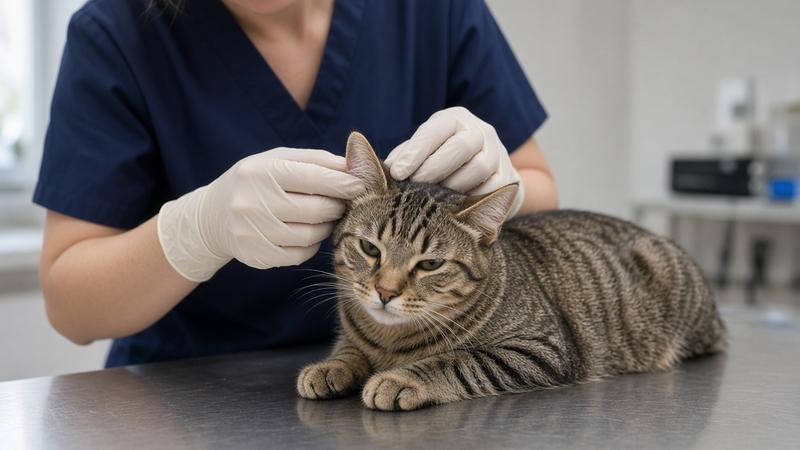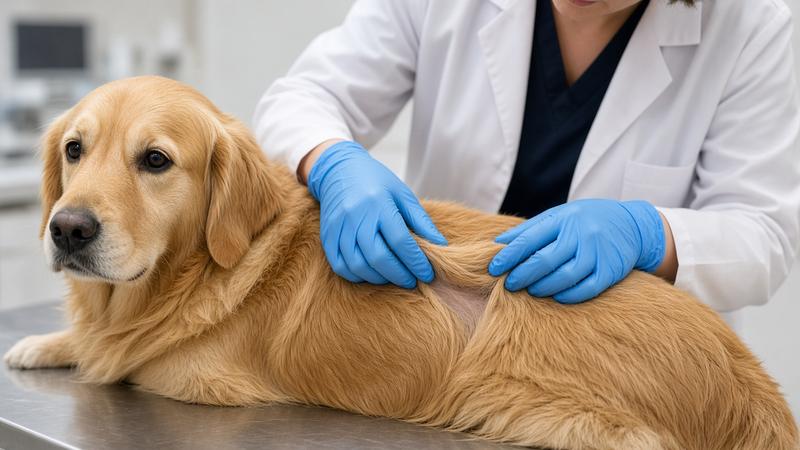
Cat abnormal hair loss: causes and care
Cat patchy hair loss or overgrooming — when it is shedding vs fungus, mites or allergy — general information only, not a diagnosis.
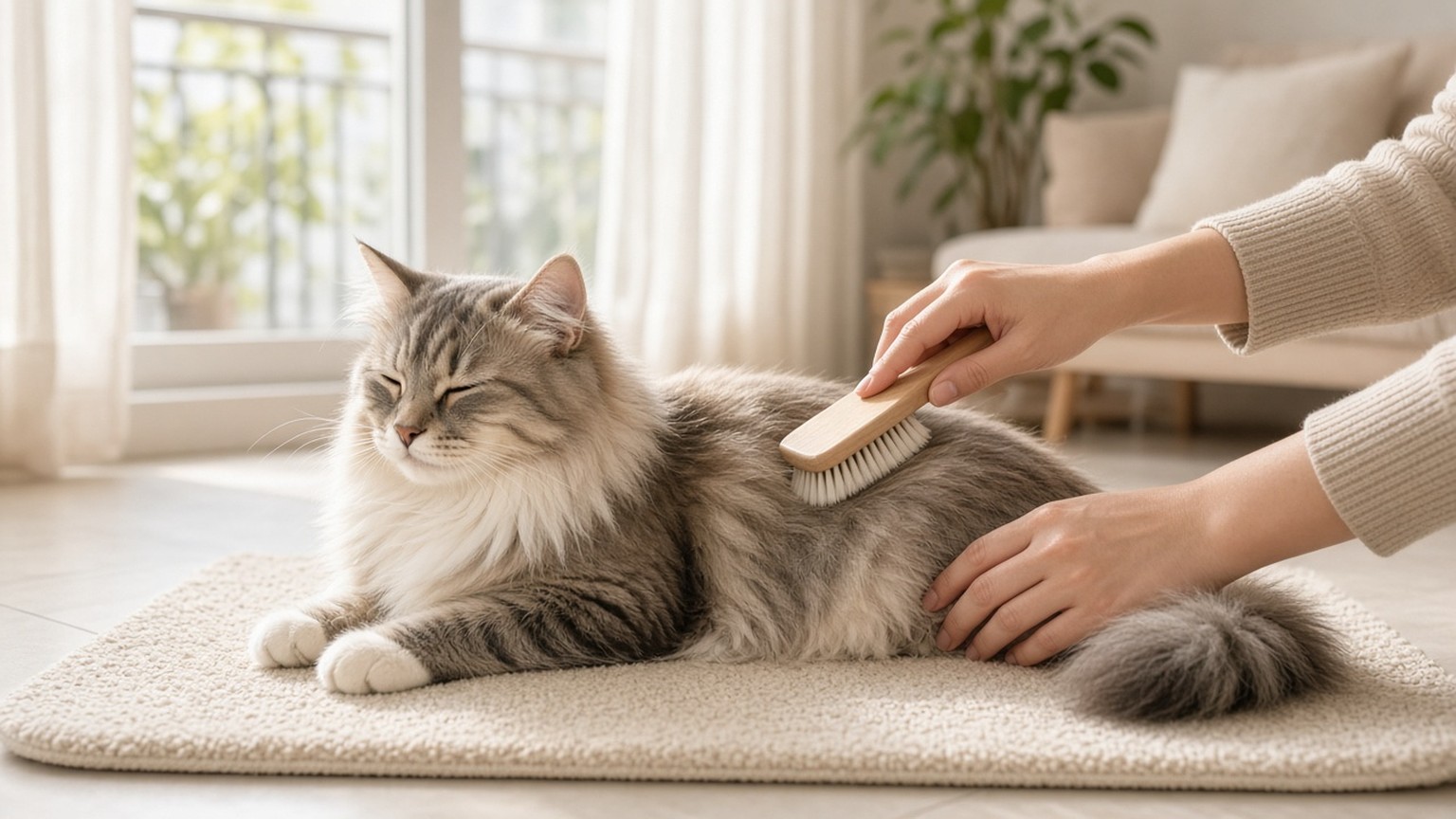
Owners search "cat hair loss", "patchy fur", or "cat licking belly bald" when coat thins, skin shows, or more fluff than seasonal shed appears. Normal shedding differs from abnormal loss with itch, scale, redness, or constant licking/chewing.
Note: General information only. Patchy round lesions suggesting ringworm, bloody scratch marks, or matching human skin lesions — see a vet (and a human dermatologist if needed).
Normal shed vs abnormal loss
Seasonal shedding is usually even, with undercoat still present and little angry skin. Abnormal loss often means bald patches, lick tracks (belly, inner thighs), scale, bumps, odor, or nonstop scratching.
Discussed causes include ringworm, mites/mange, allergy (food / environment / fleas — similar itch logic as in dog mange/dermatitis), stress or pain leading to overgrooming, endocrine disease, poor nutrition, or systemic illness. Only exam + tests (skin scrape, Wood's lamp, culture, etc.) can confirm.
Signs to watch
- Round or uneven bald patches; broken short hairs.
- Licking, biting, or scratching one area until bare or sore.
- Red skin, crusts, chin/belly blackheads.
- Itchy eyes/nose or sneezing with hair loss (allergy clue).
- Matching ring-like lesions on people — tell both clinicians.
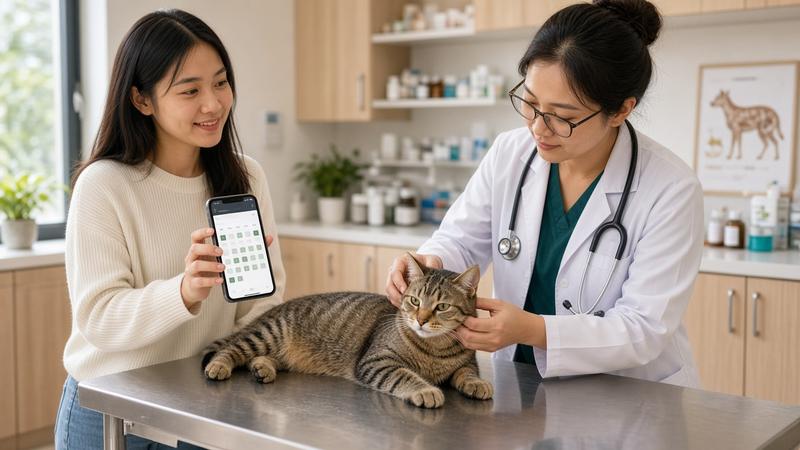
Weekly photos help track treatment response.
When to see a vet
See a vet sooner if:
- Loss is patchy or spreads over a few days.
- Intense itch, bleeding, foul odor, fever / appetite loss.
- Kitten, senior, or several pets losing hair together.
- Brushing / diet tweaks do not help after 1–2 weeks of watching normal shed.
Avoid: high-strength human antifungal creams DIY, unprescribed pesticide dips, or shaving bald "to cool" before the cause is known. Book a visit for skin testing guidance.
Supportive care and prevention
- Brush for the coat type; do not scrub hard.
- Flea control for the whole home on a vet-guided schedule.
- Adequate quality protein; slow diet trials if allergy is suspected — vet protocol, not random restriction.
- Lower stress: high perches, scratching posts, stable routine.
- Temporary isolation and bedding/brush hygiene if contagious fungus is possible.
- Baths / skin drugs only when prescribed.
FAQ
Is heavy summer shed normal?
Shedding can increase, but bald itchy patches are not "just heat".
Can ringworm spread to people?
Some dermatophytes can. Wear gloves when applying medicine; wash contact items separately.
Will store vitamins fix hair loss?
Do not megadose on your own. Excess of some vitamins harms — ask the vet.
Does neutering cause hair loss?
Hormone shifts can affect coat in some cats; that does not replace examining true skin disease patches.
How PetID helps
- Store bald-patch photos, skin test results, and recheck dates.
- Book care when patches spread or itch is severe.
- PetCare cost support if longer testing/treatment is needed (cost support — not insurance).
Key takeaways
- Even shedding differs from patchy itchy / scaly / overgroomed loss.
- Fungus, mites, allergy, and stress are all possible — see a vet; skip high-dose human creams.
- Brushing, flea control, lower stress, and solid nutrition support prevention.
- Photos and history in PetID track treatment.
Create a PetID profile to store coat photos and book care when needed.