Mange and Skin Inflammation in Dogs: Signs, Causes and Treatment
How to recognise mange and dermatitis in dogs, common causes, vet-prescribed treatment and how to prevent skin problems at home.
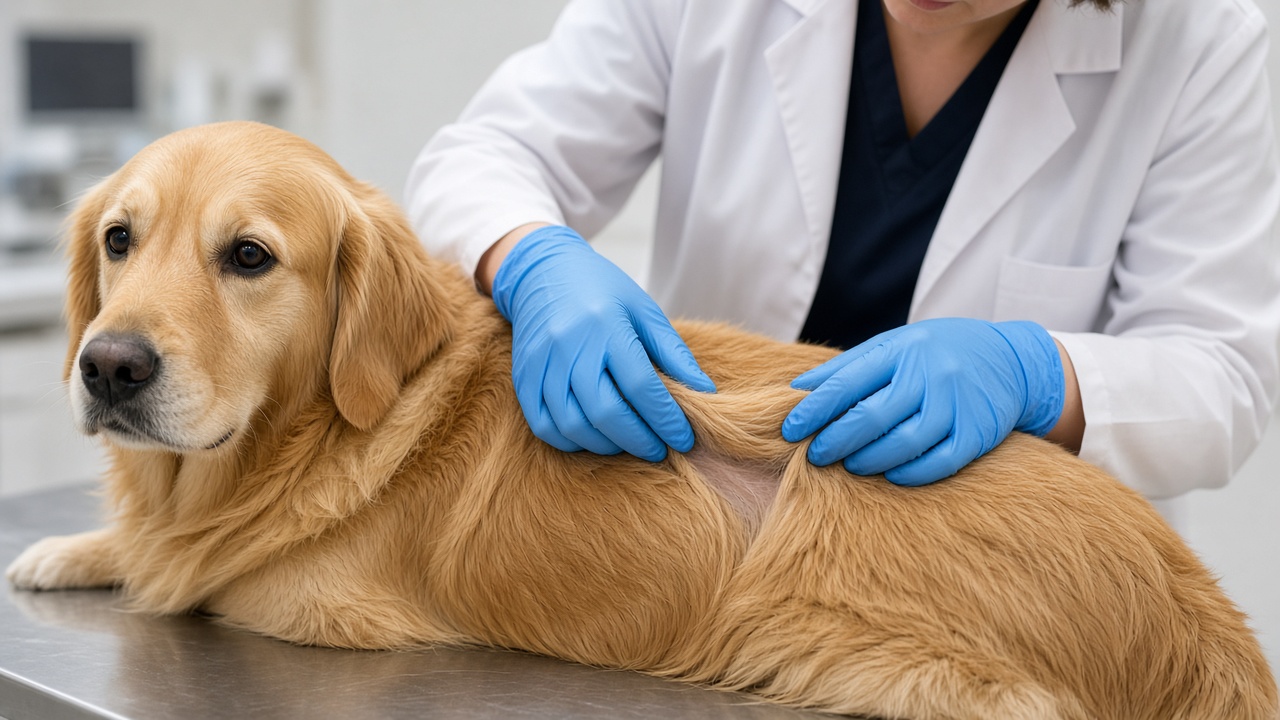
"My dog has mange, what should I do?", "Dog with itchy skin and hair loss", "Can people catch mange from dogs?" These are very common questions. Skin disease makes dogs itchy and miserable, and if left untreated it can turn into a more serious infection. This article helps you tell common causes apart and know when to see a vet.
Note: This article is for reference only. Many skin conditions look alike, so a vet needs to examine your dog and run tests for a correct diagnosis.
What is mange in dogs?
Mange is caused by tiny mites living on the skin. The two common types are:
- Sarcoptic mange (scabies): causes intense itching, often on ear edges, elbows and the belly. It spreads easily between dogs and can cause temporary itching in people.
- Demodectic mange (demodex): caused by an overgrowth of mites that normally live on dog skin, usually in puppies or dogs with weakened immunity. It causes patchy hair loss and may not be very itchy unless there is a secondary infection.
What causes dermatitis in dogs?
- External parasites: ticks, lice, fleas and mites. See Ticks and fleas on dogs: treatment and prevention.
- Allergies: to fleas, food or environmental factors.
- Bacterial or fungal skin infections.
- Damp conditions, not drying after baths, matted coats.
- Hormonal or other diseases that weaken the skin.
Signs of mange and dermatitis
- Constant scratching, biting or licking.
- Patchy hair loss, red, scaly or crusty skin.
- Thickened, darker skin in long-affected areas.
- Pimples, pus or a bad smell.
- Itching so bad your dog can't sleep or stops eating.
Because skin diseases are easily confused, vets often do skin scrapings to look for mites, cytology or fungal tests to find the cause. Treating the right cause is what clears it up for good.
Treating mange and dermatitis in dogs
Depending on the cause, your vet may prescribe:
- Antiparasitic medicine as tablets, spot-on drops or dips.
- Medicated shampoos, used as often as your vet advises.
- Treatment for bacterial or fungal infections if present.
- Itch and allergy control, possibly with a diet change.
- Follow-up visits to assess progress; many cases need several weeks of treatment.
Complete the full course and don't stop when the itching eases.
What not to do
- Don't put motor oil, petrol, pesticides or folk remedies on your dog's skin.
- Don't use human creams or tablets on your dog.
- Don't use dog mite or tick products on cats in your home: some ingredients are highly toxic to cats.
- Don't over-bathe with unsuitable shampoos.
Can people catch mange from dogs?
Sarcoptic mange can cause temporary itching and rashes in people in close contact. Demodectic mange is generally not considered contagious to people. If you develop an itchy rash after contact with a dog with mange, see a dermatologist and get your dog treated.
Care and prevention of skin problems
- Wash and dry your dog's bed, blankets and belongings, and clean its living area.
- Treat dogs in close contact at the same time if your vet advises.
- Use tick and flea prevention regularly as directed by your vet.
- Bathe properly, dry thoroughly and brush regularly.
- Provide good nutrition and deworm on schedule. See How often to deworm dogs and cats.
- Check the skin when brushing to spot problems early.
Frequently asked questions (FAQ)
Will mange go away on its own?
Don't wait for it to clear up. Mange and dermatitis usually get worse, easily become infected and can spread to other dogs.
How long does mange take to clear?
It depends on the type and severity; treatment usually takes several weeks or more. Your vet will assess progress with follow-ups and tests.
Should I bathe a dog with dermatitis?
Only with the products and frequency your vet recommends, then dry thoroughly.
Is demodex in puppies dangerous?
Take your puppy to the vet to assess severity. Many cases are treatable; widespread cases need longer treatment.
Easier skin care with PetID
- Book a vet visit online at partner clinics when your dog is itchy or losing hair.
- A digital health record stores visits, medicines used and follow-up dates.
- Find skin care and tick prevention products at partner shops after getting your vet's advice.
- Learn about PetCare plans with pet care cost support.
Summary
- Mange and dermatitis in dogs have many causes and need a correct diagnosis.
- Itching, hair loss, red or scaly skin: take your dog to the vet.
- Complete treatment, clean the living area and prevent parasites.
- Don't use folk remedies or human medicine on your dog.
Create your dog's profile on PetID to track treatment and book follow-ups on time.