Dog ear infection: signs, causes and care
Dog ear infection signs, why it returns, vet-guided care and what not to do at home — general information only.
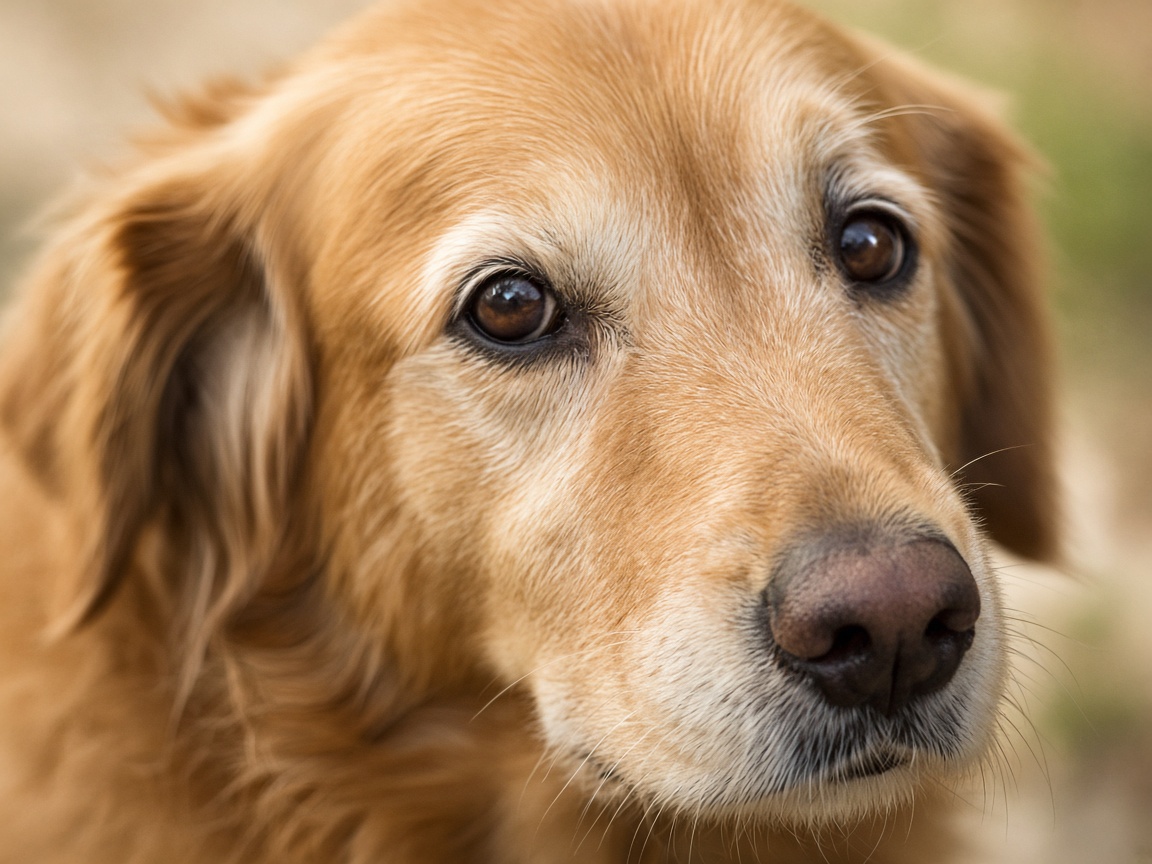
Many owners search "dog ear infection", "dog scratching ears and shaking head", or "smelly dog ears" when a dog tilts its head, scratches hard, or has an odd ear smell. Outer-ear infections are common — yeast, bacteria, allergies, foreign bodies (grass awns), or ear mites can all play a role. Proper care needs a vet exam and guided medication; human drops often make things worse.
Note: This article is for general information only and does not replace a vet diagnosis. Do not pour hydrogen peroxide, alcohol, or human oils into a dog's ear. If pain is severe, the head tilt is strong, the dog circles, or there is pus — see a clinic.
What is an ear infection in dogs?
Otitis externa is inflammation of the outer ear canal — from the opening to the eardrum. Some cases reach the middle ear if they drag on or the drum is ruptured (only a vet can judge).
Dogs with floppy ears, narrow canals, frequent swimming, skin allergies, or excess canal hair get problems more often. Infection can be one-sided or both; both sides often point more to allergy / medical drivers than a one-sided foreign body.
Ear infections are not always "from dirt". Scratching and moisture create a loop: inflammation → itch → more damage. Also distinguish nearby mange / dermatitis on the pinna.
Signs of a dog ear infection
Common signs:
- Head shaking, hind-leg scratching, rubbing ears on floors or walls.
- Red, swollen pinna or canal opening; warmer than the other side.
- Foul smell; brown / yellow / black discharge.
- Pain when the ear area is touched; mild appetite dip from discomfort.
- Head tilt; severe cases may lose balance (urgent exam — middle/inner ear may be involved).
Do not dig deep with cotton buds — you can pack debris inward and risk the eardrum.
Causes and risk factors
- Yeast / bacteria grow when the canal is moist and inflamed.
- Allergies (food or environment) — a very common root when infections return.
- Foreign bodies: grass awns, grit after field or park runs.
- Ear mites (multi-pet homes or young animals more often).
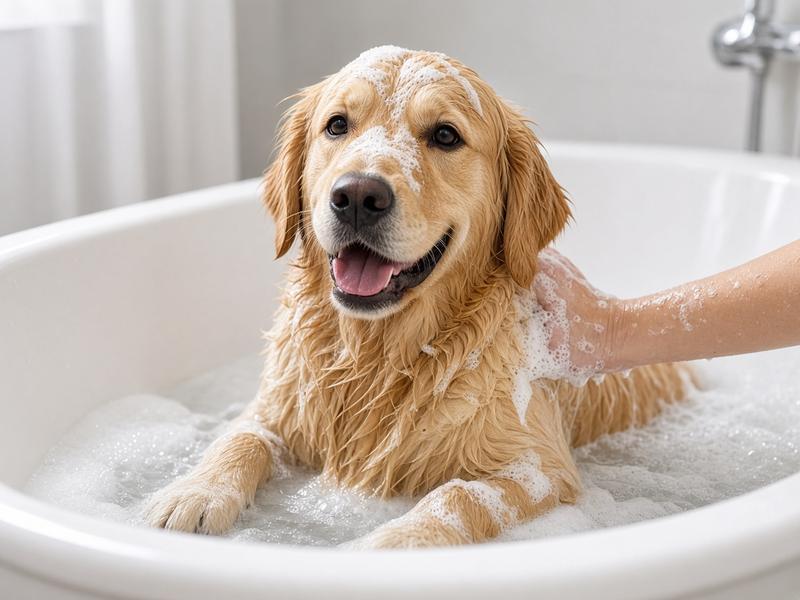
- Water left after baths / swimming without proper drying — see also how to bathe a dog correctly.
- Polyps, masses, or endocrine disease in some chronic cases (specialist judgment).
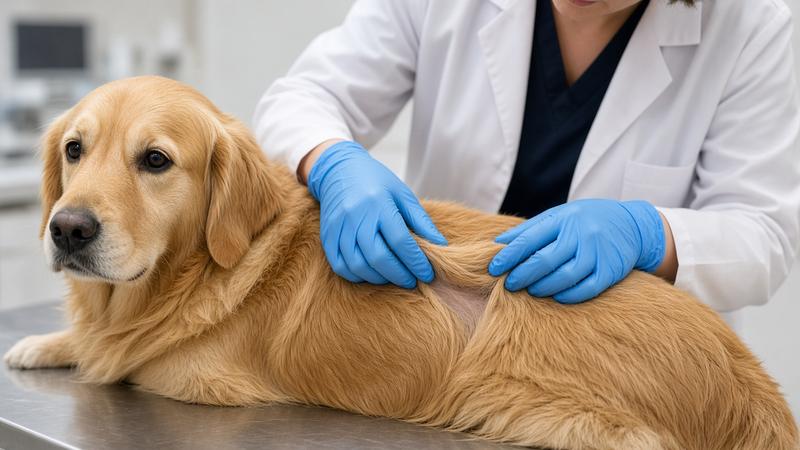
Vets typically use an otoscope, cytology, and sometimes culture if cases relapse or look resistant.
Vet-guided care and what not to do
- Use the cleaner and drops your vet prescribed, on schedule; finish the course even when it looks better.
- Keep ears dry; skip swimming during treatment if advised.
- Canal hair trim only with a vet or experienced groomer — do not yank at home.
- Recheck on time; chronic cases need the root cause (allergy, anatomy), not endless rinsing alone.
Avoid: peroxide, alcohol, strong DIY vinegar, human oils, human ear drops, deep cotton buds. Wrong care can burn tissue or rupture the drum.
Also keep up tick–flea prevention and skin care so whole-body itch is less likely to involve the ears.
FAQ
Can dog ear infections spread to people?
Most yeast/bacterial otitis from a dog's usual flora is not easily contagious to healthy people. Still wash hands after ear care. Ear mites mainly move between pets.
Does frequent bathing cause ear infections?
Not always, but trapped water + poor drying raises risk in prone dogs. Dry the pinna and canal opening (do not swab deep).
One ear clears, then the other flares — worrying?
Relapsing or switching sides often suggests allergy or another root cause — recheck rather than reuse old drops blindly.
How PetID helps
- Log infection episodes, drop names, ear photos, and recheck dates.
- Book a vet visit online for smelly, painful ears or a head tilt.
- Learn about the PetCare cost-support plan if exams or longer treatment are needed (cost support — not insurance).
Key takeaways
- Scratching, head shakes, odor, or discharge: get a vet ear exam — skip human drops.
- Common drivers: yeast/bacteria, allergy, foreign bodies, moisture after baths.
- Finish treatment and chase root causes if it returns.
- No deep cotton buds, peroxide, or DIY oils.
- PetID helps track flares and medicines used.
Create a PetID profile to track ear–skin health and book care when you need it.