Kitten Vaccination and Deworming Schedule: A Guide for New Cat Owners
Which shots does a kitten need, when should it be dewormed and which comes first? A basic guide for new cat owners.
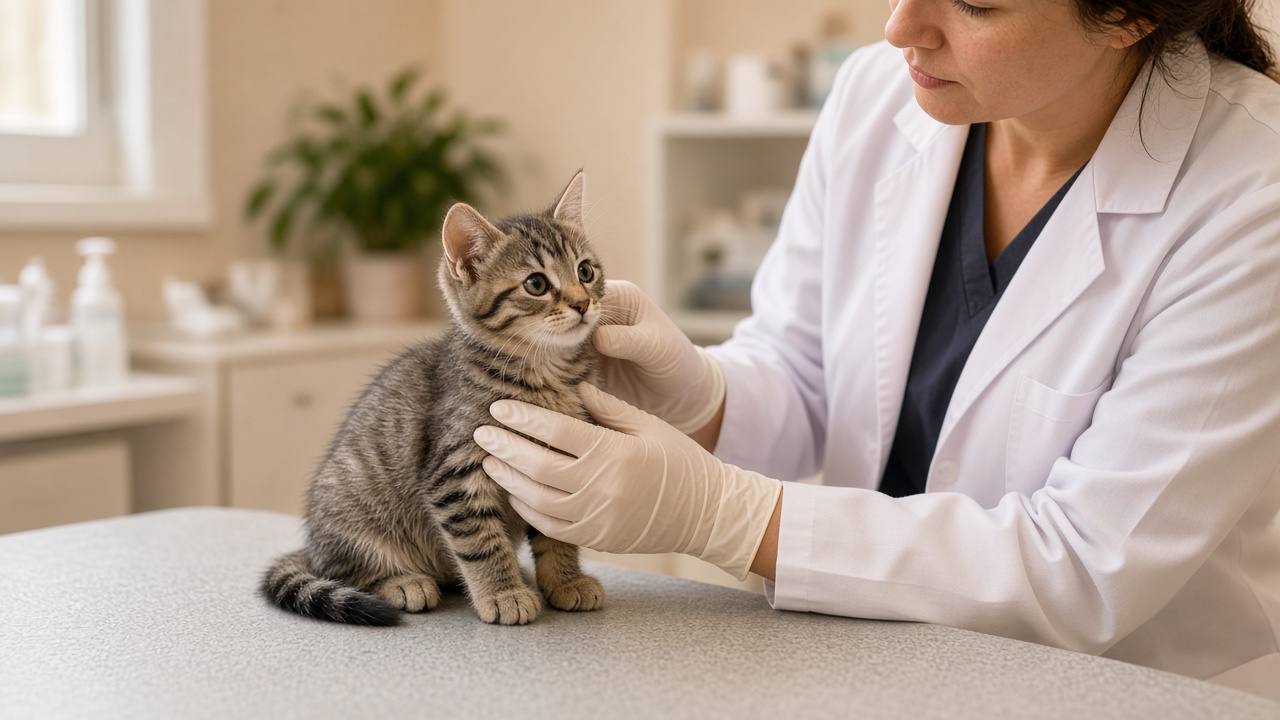
Just brought a kitten home? Besides food and a place to sleep, the two most important things in the first months are vaccination and deworming. Questions like "kitten vaccination schedule", "4-in-1 vaccine for cats" and "deworm a cat before or after vaccination" are searched very often. This article covers the basics you need to know.
Note: This is general information. Take your cat to the vet so they can set a vaccination and deworming plan that suits your kitten.
Why do kittens need vaccinations?
Like puppies, kittens receive antibodies from their mother's milk, but these fade over time. Without vaccination, kittens are vulnerable to dangerous infectious diseases such as:
- Feline panleukopenia: highly contagious and fast-moving, especially dangerous for kittens.
- Feline viral rhinotracheitis (herpesvirus) and calicivirus: cause sneezing, watery eyes, runny nose and mouth ulcers.
- Chlamydia: commonly causes conjunctivitis.
- Rabies: dangerous to both cats and people.
Indoor-only cats can still get sick, because viruses can come in on shoes and clothes, or through contact with other cats.
What are "3-in-1" and "4-in-1" vaccines?
At clinics you will often hear about "3-in-1" or "4-in-1" vaccines. These are combination vaccines against diseases such as panleukopenia, rhinotracheitis and calicivirus, with some also including chlamydia. Rabies vaccine is usually given separately. Ask your vet exactly which diseases your kitten's vaccine protects against.
Reference vaccination schedule for kittens
Based on general veterinary recommendations:
- First shot: usually at around 6–8 weeks of age.
- Boosters: about 3–4 weeks apart until around 16 weeks of age or older.
- Rabies: usually from around 3 months of age, as directed by your vet.
- Adult cats: regular boosters as scheduled by your vet.
The number of shots and intervals may vary with the vaccine, when the series starts and your kitten's health. Rescued kittens or those with unknown history should be examined first.
Deworming kittens: when and how often?
Kittens can pick up worms from their mother, their environment or fleas. Worms can cause stunted growth, a pot belly, diarrhoea and a dull coat.
- Kittens are usually dewormed early and repeatedly in their first months, more often than adult cats.
- Adult cats are dewormed regularly, with frequency depending on lifestyle (indoor or outdoor, hunting or not).
- Never give a cat dewormer meant for dogs, and don't split doses yourself. The dose depends on weight and the product, so follow your vet's advice.
Deworm before or after vaccination?
This is a very common question. Many clinics recommend deworming some time before vaccination, because a healthy cat free of parasites responds better to vaccines. The exact timing depends on the product and your kitten's condition. Ask your vet for a schedule that combines both.
Likewise, whether to deworm before or after a meal depends on the product. Read the instructions carefully and follow your vet's advice. See also How often should you deworm dogs and cats?
Before and after vaccination
- Only vaccinate when your cat is healthy: eating and toileting normally, no fever.
- After vaccination, your cat may be a little tired or eat less for a short time. If you see facial swelling, heavy vomiting, difficulty breathing or prolonged lethargy, contact your vet right away.
- Limit bathing and contact with unfamiliar cats until the core series is complete.
- Use a carrier lined with a familiar-smelling towel when taking your kitten to the vet to reduce stress.
Don't miss a date: track it with PetID
In the first few months, a kitten may have quite a few appointments: first shot, boosters, deworming, rabies... They're easy to forget if you rely on memory. The PetID app helps you:
- Create a health record for your kitten: date of birth, weight, breed and health status.
- Log vaccinations and deworming, and bring the record to every visit.
- Book at partner vet clinics right from your phone.
- Update weight over time so your vet can choose the right medicines.
If you want to plan for long-term health costs, you can also look into PetCare plans with pet care cost support on PetID.
Summary
- Kittens usually start vaccinations at around 6–8 weeks and need several boosters.
- Deworm early and regularly, with products made for cats.
- Let your vet arrange the order of vaccination and deworming.
- Log every shot and deworming so you can plan the next one.
Create your kitten's profile on PetID and book its first vaccination today.