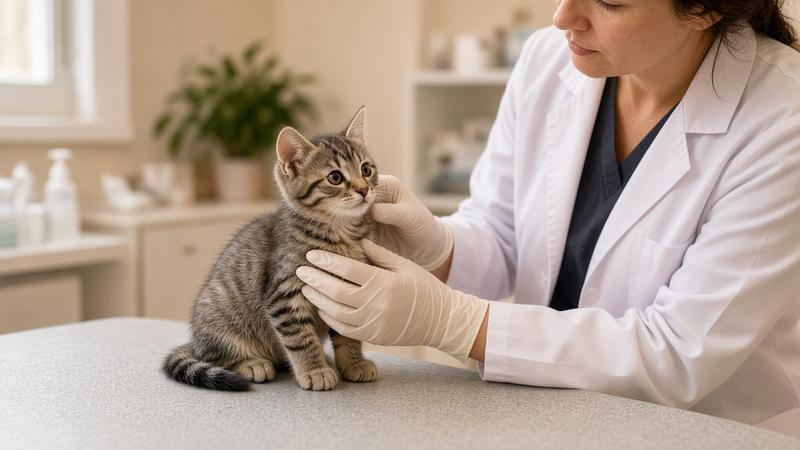
Rabies vaccination for dogs and cats: why it matters and schedule basics
Rabies vaccination basics for dogs and cats, booster importance, digital records, and urgent steps if a person may be exposed.
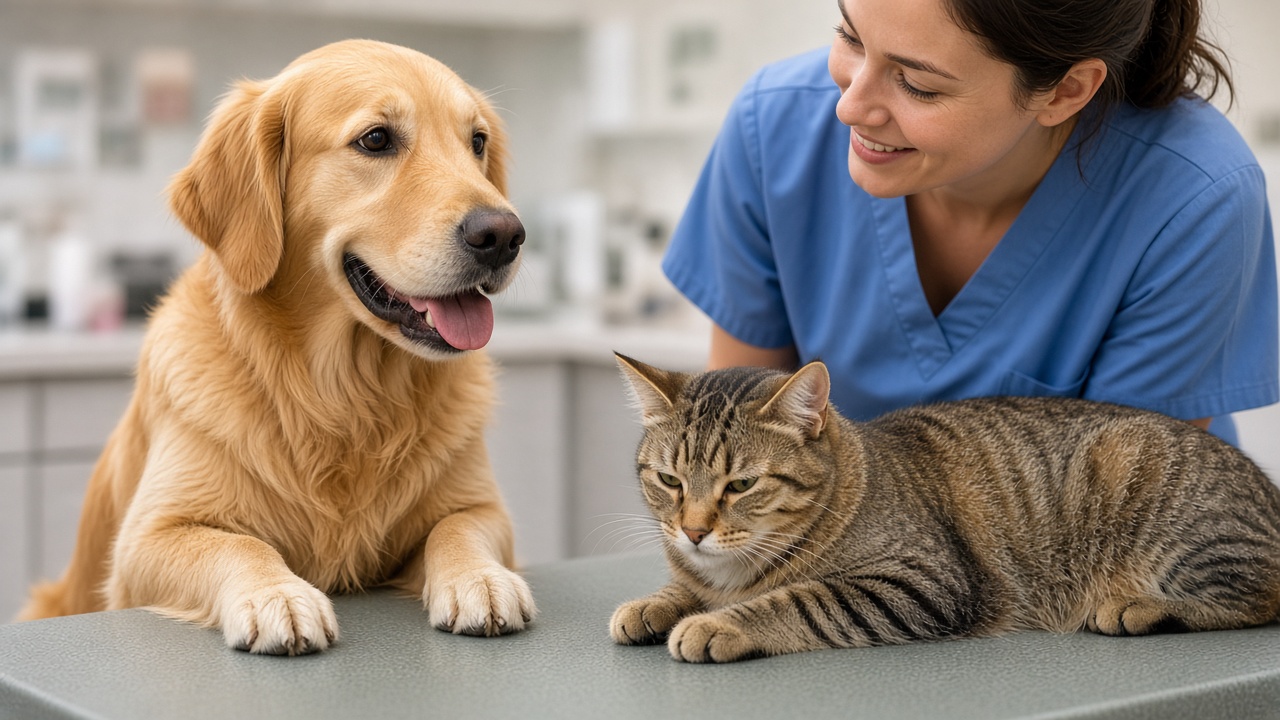
"When should puppies and kittens get a rabies shot?", "Is rabies vaccine required?", "What if a dog or cat bites someone?" — common questions for pet owners. Rabies is dangerous for animals and people; keeping vaccines on schedule is the most common proactive protection. This guide covers why both dogs and cats need rabies vaccination, general timing (confirm with your vet/local guidance), and what to do after a possible exposure — for information only, not legal advice.
Note: This article is general pet-health information. It does not replace a veterinarian or human medical care. If a person is bitten/scratched or saliva contacts a wound or mucous membranes, seek human medical care immediately. Schedules and local rules vary — ask your vet and local authorities where you live.
What is rabies and why vaccinate dogs and cats?
Rabies is caused by rabies virus, usually spread through saliva when an infected animal bites or when saliva reaches an open wound or mucous membranes. Many mammals can be affected; owned dogs and cats living close to people should be vaccinated to protect the pet and reduce risk for family and neighbors.
Rabies vaccination supports public health and protects pets that may meet stray animals or travel. This article does not quote fines or specific laws, which can change by place and time — ask your vet and local agencies about current vaccine/document requirements.
When do dogs and cats get rabies vaccines?
Exact timing is decided by a veterinarian based on age, health, vaccine product and local guidance. Common general patterns (your clinic may differ):
- Puppies / kittens: first rabies dose after the animal reaches the age recommended for that vaccine (often from about 3 months in many settings — confirm with your vet).
- Boosters: follow the product insert and your vet's plan (often a booster after the first dose, then yearly or on a longer cycle if your vet uses an appropriate product).
- Adults with unknown history: the vet may restart an appropriate series rather than guessing.
- Before travel or boarding: bring the vaccine record or digital health file; check destination requirements in advance.
Also see core disease schedules: dog vaccination schedule and kitten vaccines & deworming. Rabies is often planned alongside (not instead of) other vaccines — ask so nothing is skipped.
Why boosters matter
Rabies protection is not always "one shot forever" for every product and situation. Boosters maintain immunity per manufacturer and veterinary guidance. Skipping boosters can leave a pet under-protected if exposure risk appears.
Keep a digital vaccine record / pet health profile so due dates are clear and documents are ready when needed.
If a person is bitten or exposure is suspected
Prioritize human health first:
- Person bitten/scratched, or saliva in a wound/eyes/mouth: wash with clean water and soap if possible, then go to a human medical facility promptly for wound care and rabies risk assessment. Do not wait to self-judge that "our pet is probably fine."
- Pet that bit someone or was bitten by a wild/stray animal: contact a veterinarian for observation guidance, vaccine-history review and next steps. Do not handle carcasses of unknown animals yourself.
- This article does not diagnose rabies in a pet and is not legal advice about liability after an incident.
If vaccine history is unclear, have the pet examined and update records instead of guessing.
Before and after the appointment
- Tell the vet about fever, severe illness, or past vaccine reactions.
- Keep eating/drinking normal unless the clinic says otherwise.
- After vaccination: monitor as advised; mild injection-site swelling can occur; watch energy and appetite at home.
- Rare severe reactions (breathing trouble, facial swelling, repeated vomiting, collapse): return to the clinic / emergency vet immediately.
- Record the date, vaccine type and lot number (if available) in PetID or a paper booklet.
FAQ
Does an indoor-only cat still need rabies vaccine?
Many vets still recommend it because of indirect risks (other animals entering the home, boarding, clinic visits, life changes). Ask your vet and local requirements.
Does rabies vaccine replace Care/Parvo/panleukopenia shots?
No. Rabies covers rabies; other infectious diseases need their own schedule. See the dog/cat vaccine articles linked above.
Can senior pets still be vaccinated?
Many older pets can still receive rabies vaccine if the vet finds them healthy enough. Do not skip on age alone without veterinary advice.
Can rabies be given the same day as other vaccines?
Sometimes, depending on products and the vet's plan. Do not stack vaccines outside a clinic visit.
How PetID helps
- Store rabies and other vaccine dates in a digital profile with due-date reminders.
- Book a vet / vaccine visit online at partner clinics.
- Learn about the PetCare cost-support plan when updating vaccines or needing care (cost support — not insurance).
Key takeaways
- Rabies vaccination matters for both dogs and cats — pets and community.
- First dose and boosters follow your vet and local guidance — do not invent a schedule online.
- Human bite/scratch or saliva exposure: seek human medical care immediately; also contact a vet for the pet.
- Keep complete records and boost on time.
- Rabies vaccine does not replace other core vaccines.
Create a PetID profile to keep digital vaccine records and book shots or checkups on time.