How to choose a collar for dogs and cats: size, material and safe fit
A guide to choosing the right collar for dogs and cats: correct size, suitable material, a safety buckle and an ID tag, so your pet stays comfortable and safe.
Why does choosing the right collar matter?
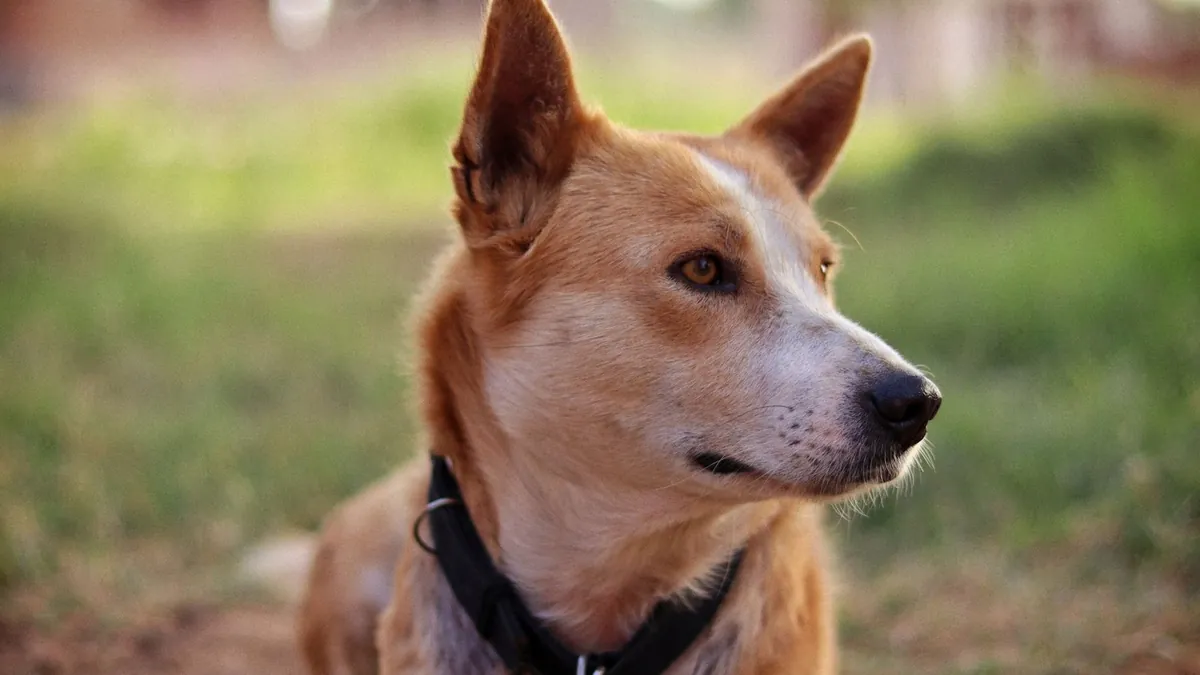
A collar is more than a cute accessory. It is where the name tag and ID tag go, and it is where you clip the leash every time you head out. A collar that is too tight can make your pet uncomfortable, rub off fur or scratch the skin. One that is too loose can slip off when your pet is startled and bolts. Poor materials also break easily, fade or irritate the skin. So before buying, think about three things: size, material and how safe the buckle is. Getting it right from the start means your pet will happily wear it, and you will worry less every time the door opens.
Measure your pet's neck and pick the right size
Use a soft tape measure around the middle of your pet's neck, where the collar will sit. Compare it with the seller's size chart and prefer collars with adjustment holes so you can loosen them later. An easy rule: once the collar is on, you should be able to slide two fingers between the collar and the neck. If you cannot, it is too tight. If your whole hand fits, or the collar slips over the head when gently pulled forward, it is too loose. Puppies and kittens grow faster than you think, so check the fit often.
Collar materials: which one suits your pet?
Each material has its strengths:
- Nylon: light, colourful, easy to wash and right for most pets.
- Leather: durable and softens over time, but should be dried if your pet loves water.
- Silicone or soft rubber: waterproof and easy to wipe, good for pets who bathe often or spend time outdoors.
- Padded collars: suitable for short-haired pets with sensitive skin.
Avoid collars with sharp edges, rough stitching or metal parts that rust easily. If your pet scratches its neck or the skin turns red after wearing a new collar, take it off and ask a vet.
What to keep in mind with cat collars
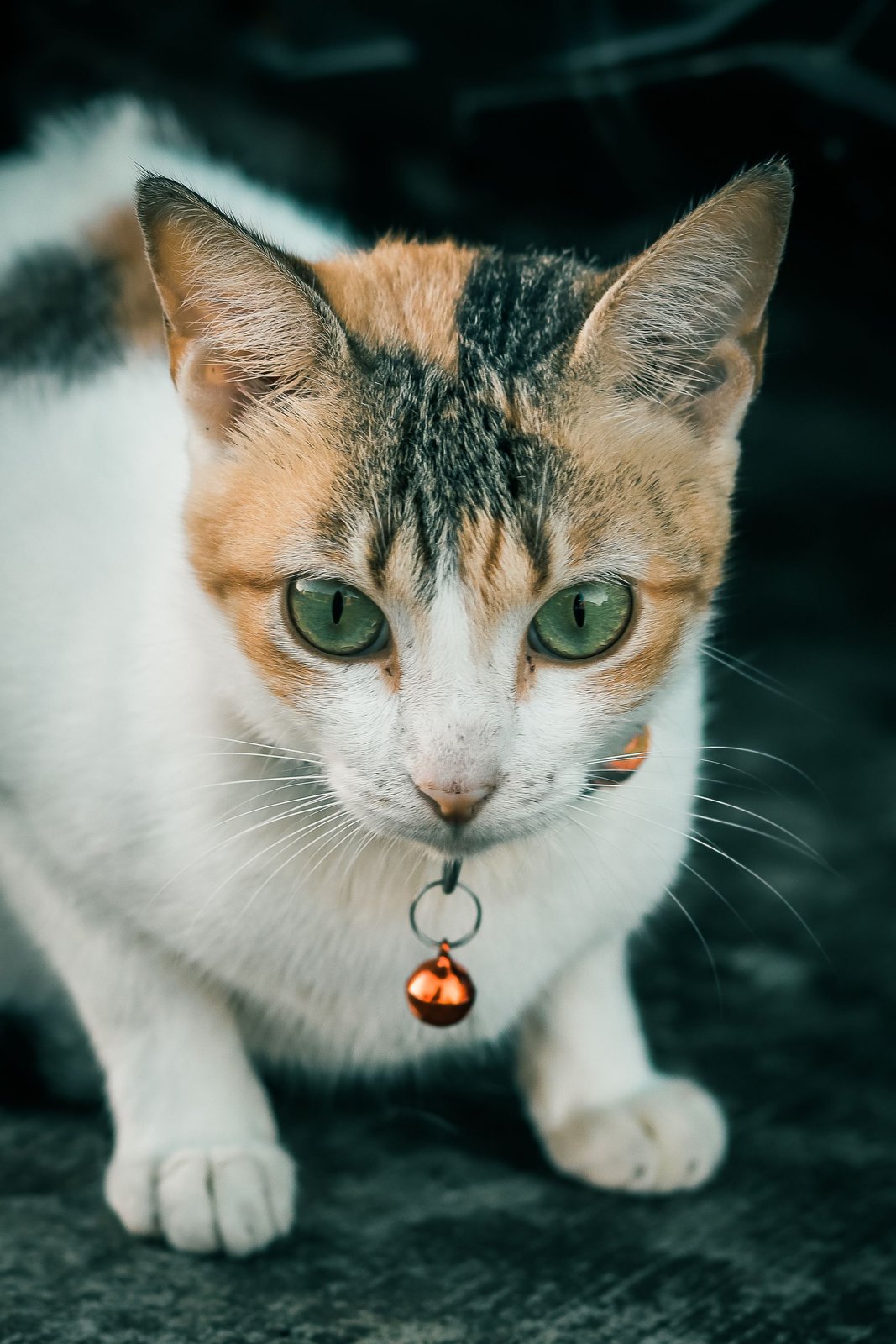
Cats love to climb and squeeze into tight spots, so their collars can catch on branches, window bars or furniture corners. Choose a cat collar with a breakaway buckle, which pops open when pulled hard so your cat is not choked. Cat collars should be light, narrow and soft. A small bell can help you know where your cat is, but remove it if your cat seems bothered by the sound. Never clip a leash to a breakaway collar. When walking your cat, use a separate harness for safety.
Add an ID tag so your pet does not get lost
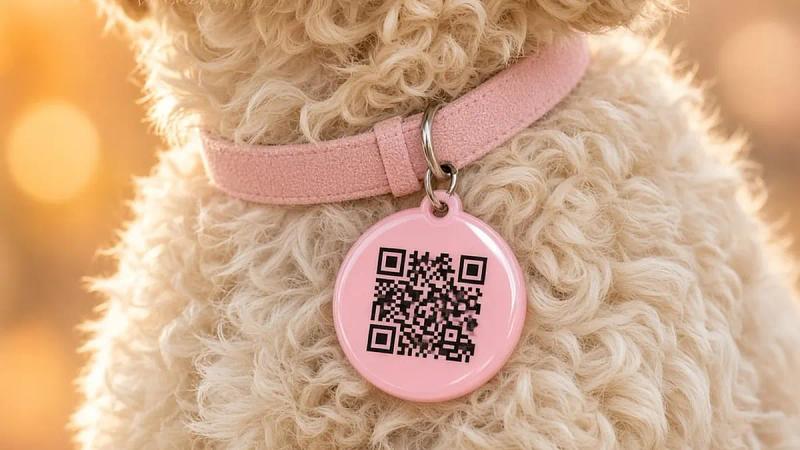
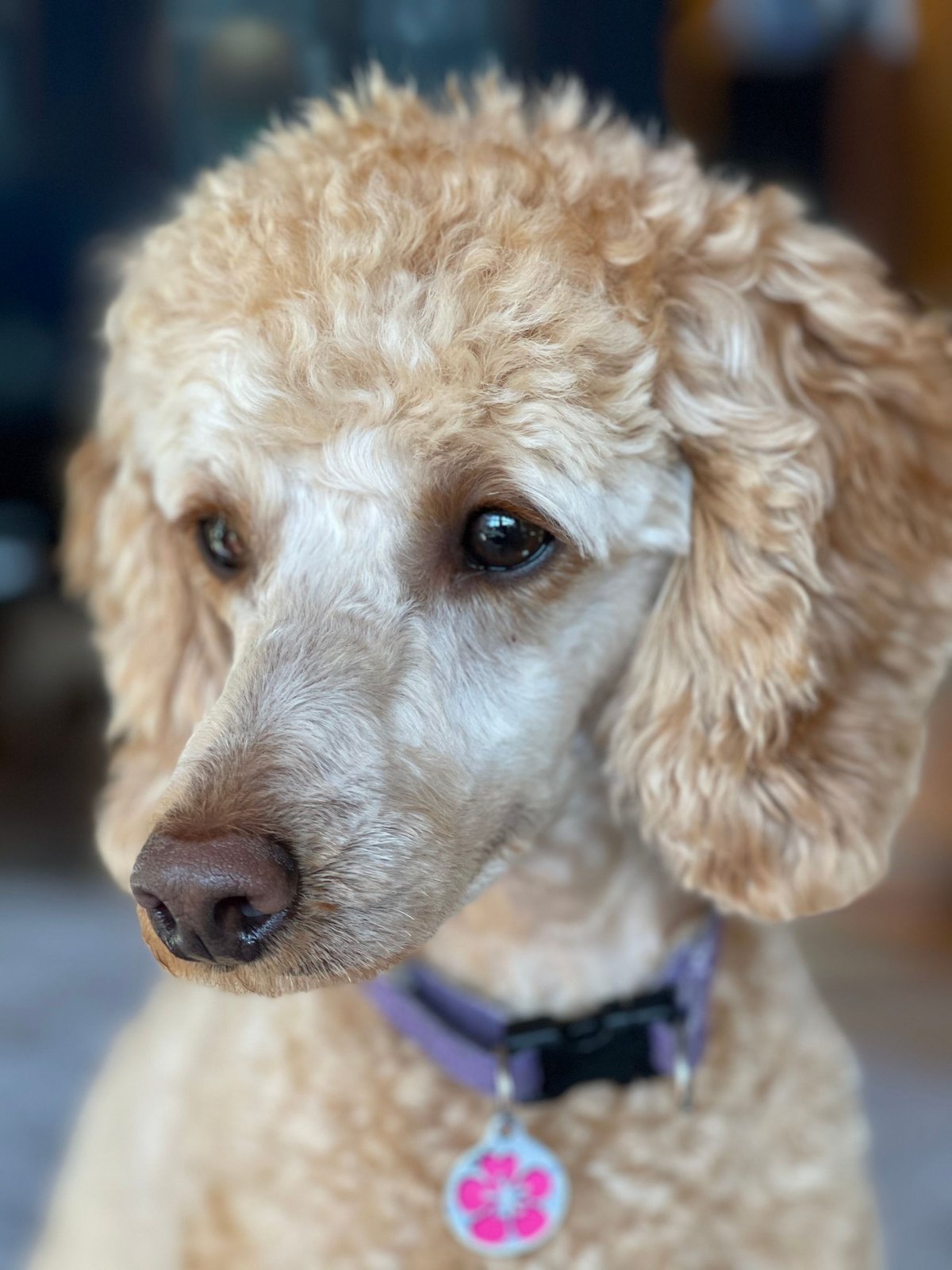
A good collar should carry your contact details. If your pet slips out, whoever finds it will know right away that it has an owner and who to call. With a PetID QR collar or ID tag, the finder just scans the code with a phone camera to see how to reach you, with no app needed. You can update your phone number or address remotely without engraving a new tag. Attach the tag firmly to the collar ring and check now and then that the QR code is still clear and not scratched.
You have picked a collar. What next?
Before buying, run through a quick checklist: have you measured your pet's neck, is the collar adjustable, does the material suit your pet's habits, does your cat's collar have a safety buckle, and does the collar carry an ID tag? For the first few days, let your pet wear the collar for short periods at home, reward good behaviour, then gradually increase the time. If you want a collar that looks great and helps your pet get home if it gets lost, visit PetID QR collars and ID tags and choose one for your pet today!