Diarrhea in pet rabbits: signs, urgency and prevention
Signs of rabbit diarrhea vs GI stasis, when to seek urgent care, supportive treatment under a vet, and diet-based prevention.
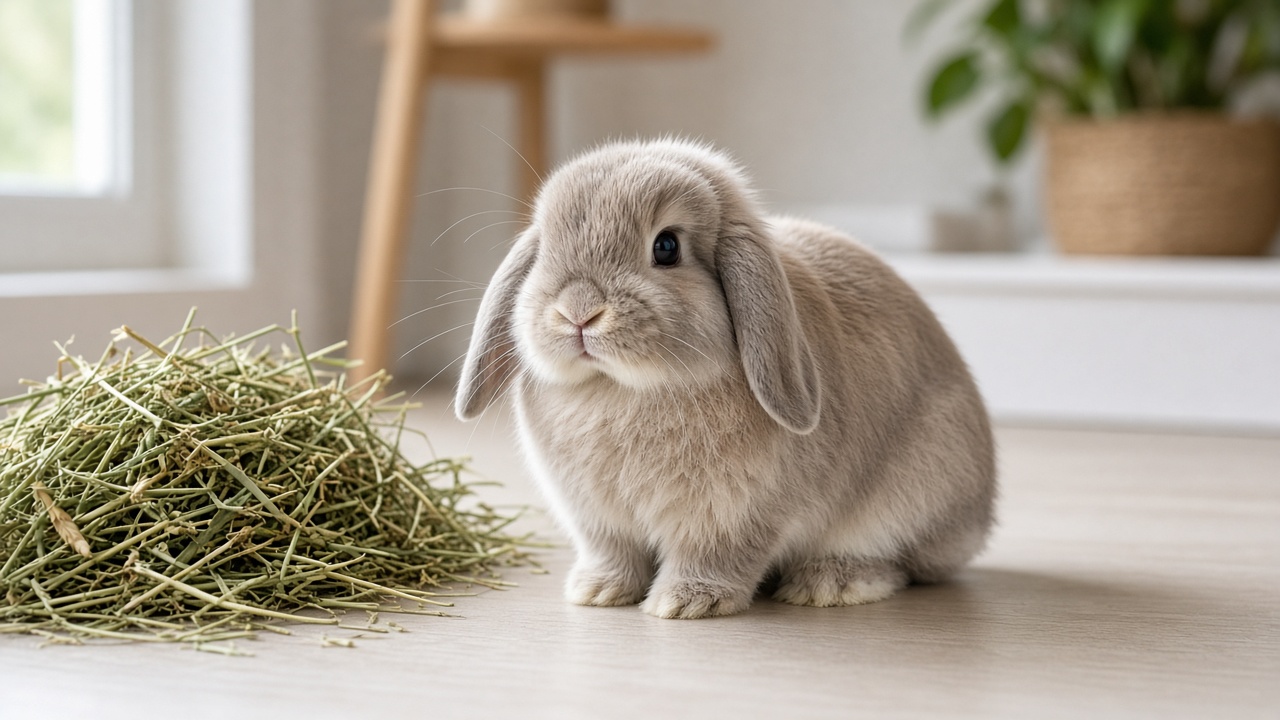
"Is rabbit diarrhea dangerous?", "What if my rabbit's poop is soft?", "When is gut trouble an emergency?" — common questions when droppings look wrong. In pet rabbits, digestive problems can worsen quickly — sometimes true diarrhea, sometimes a sign of slowed gut movement (GI stasis). This guide covers basic differences, red flags, and prevention with a hay-first diet.
Note: This article is for general information only and does not replace a vet diagnosis. A rabbit that stops eating with abnormal droppings can be an emergency. Take your rabbit to a vet (preferably one experienced with rabbits / small pets) as soon as possible.
Why rabbits get gut trouble easily
A rabbit's digestion depends on fiber from hay and a stable gut flora. Too little fiber, too many sugars/starches, sudden diet changes, stress, dental pain or other illness can slow motility or change droppings.
Two situations owners often mix up:
- True diarrhea: loose stool, soiled bottom, strong odor, dehydration risk.
- GI stasis: eating less or not at all; droppings get smaller / fewer / stop; a tight or quiet belly — not always watery stool, but still very serious.
Soft, sticky cecotropes around the bottom (cecal dysbiosis) can also appear when gut balance slips. Whatever the pattern, a rabbit that stops eating is a red flag.
Signs of diarrhea / gut upset
- Loose or mushy droppings stuck to fur or the cage floor.
- Unusually small pellets, fewer pellets, or no droppings.
- Refusing hay or pellets; unusual thirst or no drinking.
- Sitting still, hunched, tooth grinding (possible pain).
- Bloated feel, cold ears/feet, deep lethargy.
- Prolonged soft stool with odor and flies (skin scald risk around the bottom).
Similar signs can come from dental disease, parasites, infection or unsafe foods. A rabbit off food for more than a few hours with odd droppings should see a vet soon — do not wait overnight.
Is rabbit diarrhea dangerous?
Yes. Rabbits dehydrate quickly; when the gut slows, gas and toxins can build and the rabbit can decline in a short time. Outlook is better with early veterinary support (fluids, pain relief when needed, motility support, diet changes as directed).
- Do not give human anti-diarrheals, human antibiotics, or "fast them to clean the gut."
- Do not push lots of sweet fruit just to tempt eating.
- This article does not quote cure rates or promise outcomes.
Care tips (follow your vet)
- Keep the space warm, quiet and clean; handle gently if the rabbit is painful.
- Hay first — good-quality hay available as your vet allows during illness.
- Use only prescribed medicines / fluid plans; do not self-inject.
- Gently clean a soiled bottom if needed; avoid chilling the rabbit.
- Recheck weight, hay intake and pellet count/shape every few hours.
- Separate from other rabbits if your vet suspects a contagious cause or food competition.
How to prevent gut problems
- Diet foundation: hay is the main food, measured pellets, suitable leafy greens; avoid sweets, bread, human leftovers. See pet rabbit care.
- Change diets gradually over several days.
- Always offer clean water; keep cool and ventilated in hot weather.
- Check teeth regularly — painful teeth stop hay chewing.
- Lower stress: space to move, hiding spots, dry housing.
- Look at droppings every day — a simple habit that catches problems early.
When to see a vet immediately
- Off hay/pellets for more than a few hours (especially with few or no droppings).
- Heavy watery stool, blood in stool, or a badly soiled bottom.
- Tooth grinding, tight belly, lying weakly on the side.
- Diarrhea in baby or senior rabbits with lethargy.
- No drinking, sunken eyes, cold ears.
Call ahead to confirm the clinic sees rabbits / exotics — that saves time in an emergency.
FAQ
Is slightly soft poop always an emergency?
Brief mild softness after a small diet tweak can happen, but lasting soft stool, a dirty bottom, or any appetite drop needs a vet check. Do not assume it is "normal."
Can I give human probiotics?
Not on your own. Human products may be the wrong strains or dose. Use only what your vet recommends.
Should I stop hay during diarrhea?
Usually do not cut hay on your own — fiber supports motility. Any ration change should follow veterinary advice.
Can diarrhea spread to other rabbits?
It depends on the cause (some infections / parasites). When in doubt, isolate and clean as your vet advises.
How PetID helps
- Digital health records for weight, droppings notes and diet changes.
- Book a vet visit online at partner clinics when your rabbit stops eating or has diarrhea.
- Learn about the PetCare cost-support plan (cost support — not insurance).
Key takeaways
- Abnormal droppings and appetite loss in rabbits can become emergencies fast.
- True diarrhea and GI stasis both need veterinary assessment.
- Supportive care is vet-directed — skip human drugs and fasting myths.
- Best prevention: hay-first diet, gradual changes, lower stress.
- Also read pet rabbit care.
Create a PetID profile to track your rabbit's health and book care when you need it.