FIP in cats: signs, care and prevention
Signs of FIP in cats, supportive care under veterinary guidance, household risk reduction, and why self-treatment is unsafe.
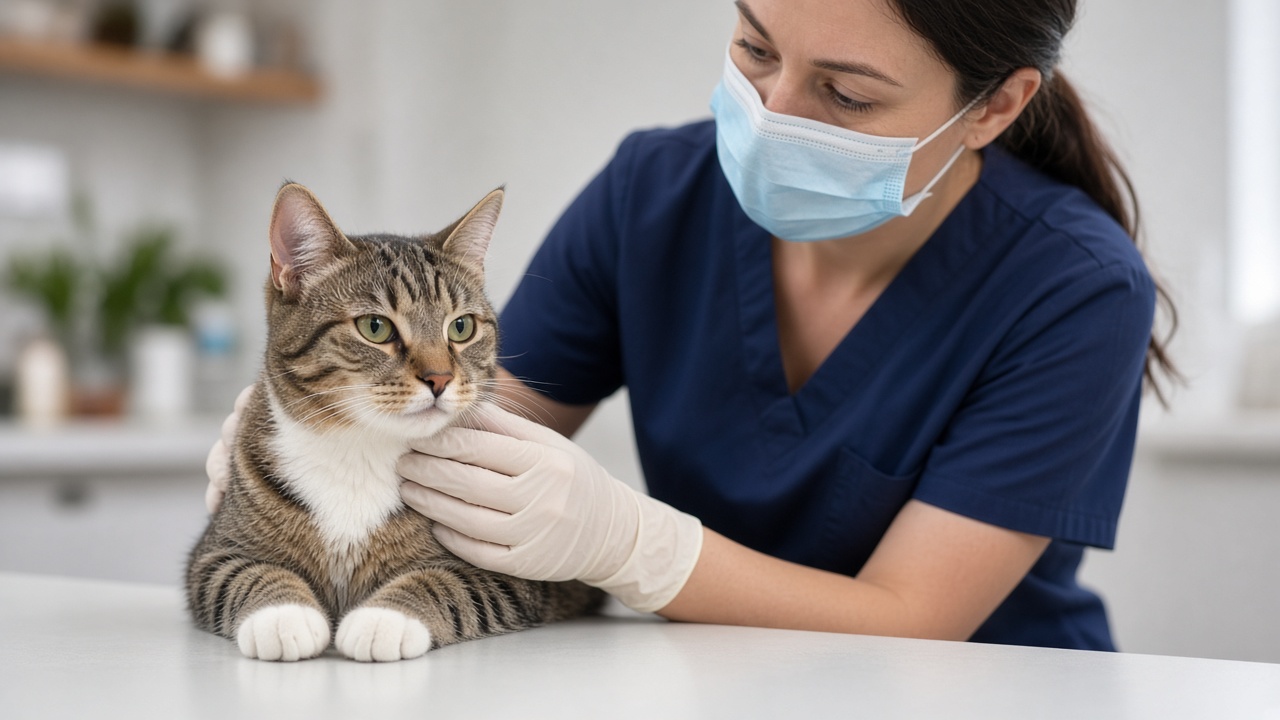
"Can a cat recover from FIP?", "What are the signs?", "Does FIP spread to people?" — common questions when a cat has ongoing fever, a swollen belly or steady weight loss. Feline Infectious Peritonitis (FIP) is a complex disease linked to feline coronavirus. This guide helps you spot warning signs, understand vet-guided care, and lower risk at home.
Note: This article is for general information only and does not replace a vet diagnosis. If you suspect FIP or see severe signs, take your cat to a vet clinic as soon as possible.
What is FIP in cats?
FIP is associated with a mutation of feline coronavirus (FCoV). Many cats meet FCoV with mild or no clear illness, but in some cats the virus triggers a severe inflammatory response — that is FIP.
FIP is not a simple "cat cold." It may present as a wet form (fluid in the belly or chest) or a dry form (inflammatory lesions in organs), sometimes mixed. Higher-risk groups often include kittens, young cats, crowded multi-cat homes, and cats under stress or with weaker immunity.
FIP does not infect people. Feline coronavirus is not the same as human respiratory coronaviruses. Still wash hands and clean shared tools to protect other cats.
Signs of FIP
Signs are not unique to FIP — many other diseases cause fever, appetite loss or a swollen belly — so do not self-diagnose at home. Commonly discussed signs:
Wet (effusive) form
- Gradual belly enlargement with fluid feel; or breathing difficulty if fluid is in the chest.
- Persistent or fluctuating fever.
- Appetite loss, weight loss, deep lethargy.
- Dull coat, low energy.
Dry (non-effusive) form
- Gradual weight loss, ongoing fever.
- Jaundice (yellow gums/eyes) if liver/bile pathways are affected.
- Eye inflammation or neurologic signs (weak legs, seizures, wobbly walk) in some cases.
- Enlarged lymph nodes, prolonged poor appetite.
Similar signs can appear with panleukopenia, other infections, organ disease or tumors. A cat with lasting fever, rapid belly swelling or breathing trouble should see a vet right away.
Can a cat recover from FIP?
For years FIP carried a very poor outlook. Today, some clinics offer specialist supportive / treatment protocols under veterinary direction, and many closely monitored cats can improve when care starts on the right path. Still:
- There is no safe "miracle cure" from human pharmacies or folk remedies.
- Drugs, dosing, duration and lab monitoring must be decided by a veterinarian.
- Outcome depends on form, stage, the cat's condition and how carefully the plan is followed.
- This article does not claim cure rates or promise results for any individual cat.
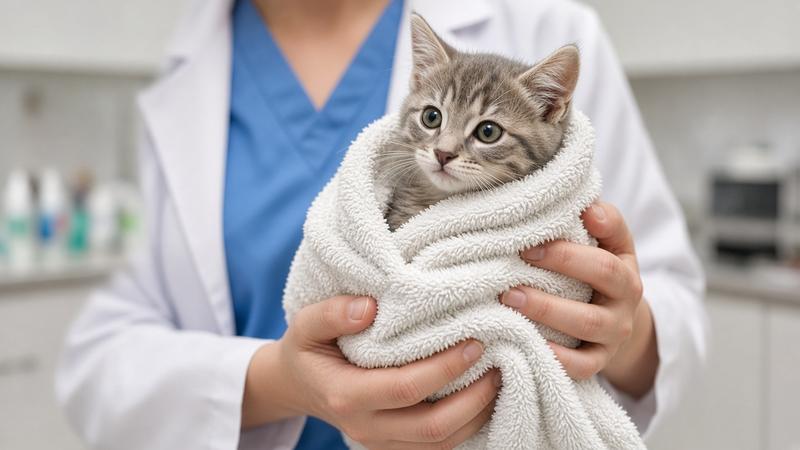
If FIP is suspected, seek a vet early for exam, supportive tests and a tailored plan — do not wait until the cat is critically weak.
Care tips (follow your vet)
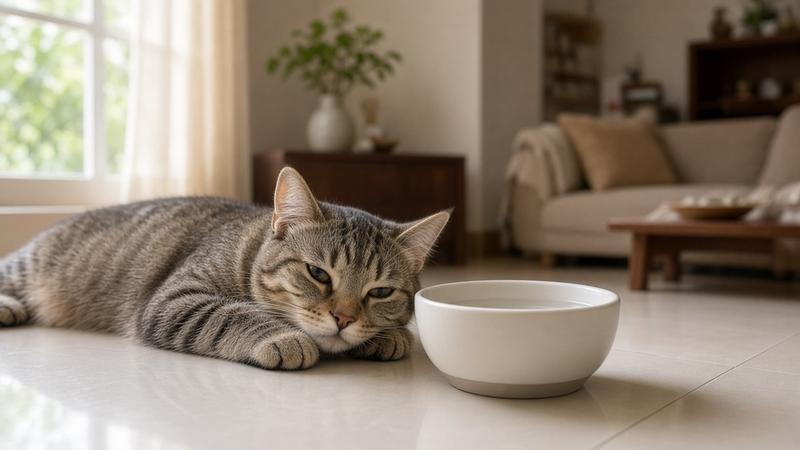
- Keep the resting area warm, quiet and clean; reduce stress.
- Offer easy-to-digest, nutrient-dense food as advised; smaller meals if appetite is low.
- Give medicines exactly as prescribed; do not stop or switch on your own.
- Track weight, temperature, eating, drinking and breathing for rechecks.
- Limit contact with other cats as your vet advises (especially kittens).
- Do not self-administer fluids, injections or unregulated antiviral products.
Lowering FIP risk at home
There is no widely available, routinely recommended FIP vaccine comparable to core kitten shots. Practical steps focus on lowering viral load and stress:
- Keep a reasonable number of cats for your space.
- Clean litter boxes often; enough boxes for the group.
- Follow kitten vaccine and deworming schedules so cats stay stronger.
- Quarantine new cats before introducing them.
- Reduce stress: sudden changes, lack of hiding spots, fights.
- After a seriously ill cat: ask your vet about cleaning and when to bring a new cat home.
FIP vs panleukopenia
- Panleukopenia: parvovirus; often acute vomit–diarrhea–low white cells; well prevented by vaccine.
- FIP: coronavirus-related inflammatory disease; diagnosis is more complex and needs a vet's full picture.
Both are serious. If unsure, don't guess at home — see a vet. Also read Panleukopenia in cats.
FAQ
Does FIP spread to people or dogs?
FIP / FCoV in cats does not infect people. Dogs do not get FIP the way cats do. Still sanitize hands and tools for other cats.
Can a single indoor cat get FIP?
Yes, though risk is often lower than in crowded groups. A cat that once lived in a busy environment may already have met FCoV.
Is there one test that proves FIP?
No single simple yes/no test covers every case. Vets combine clinical signs, imaging, blood/fluid tests and other findings. Do not rely on a home kit alone.
Should I buy FIP drugs online myself?
No. Counterfeit products, wrong dosing and missing lab follow-up are dangerous. See a vet and follow their plan.
How PetID helps
- Digital health records for weight, vaccines and notes on fever or appetite changes.
- Book a vet visit online at partner clinics when your cat has lasting fever, a swollen belly or breathing trouble.
- Learn about the PetCare cost-support plan (cost support at partner clinics — not insurance).
Key takeaways
- FIP is linked to feline coronavirus; signs vary and overlap with other diseases.
- Lasting fever, weight loss, belly swelling or breathing trouble: see a vet early.
- Treatment decisions belong to a veterinarian — avoid unregulated products and folk cures.
- Sensible stocking density, litter hygiene and lower stress help reduce household risk.
- Not zoonotic to people; still protect other cats.
Create a PetID profile to track your cat's health and book care when you need it.