Pet bird with a runny nose: respiratory signs and when to seek urgent care
Respiratory warning signs in pet birds, environmental checks, urgent red flags, and vet-guided next steps.
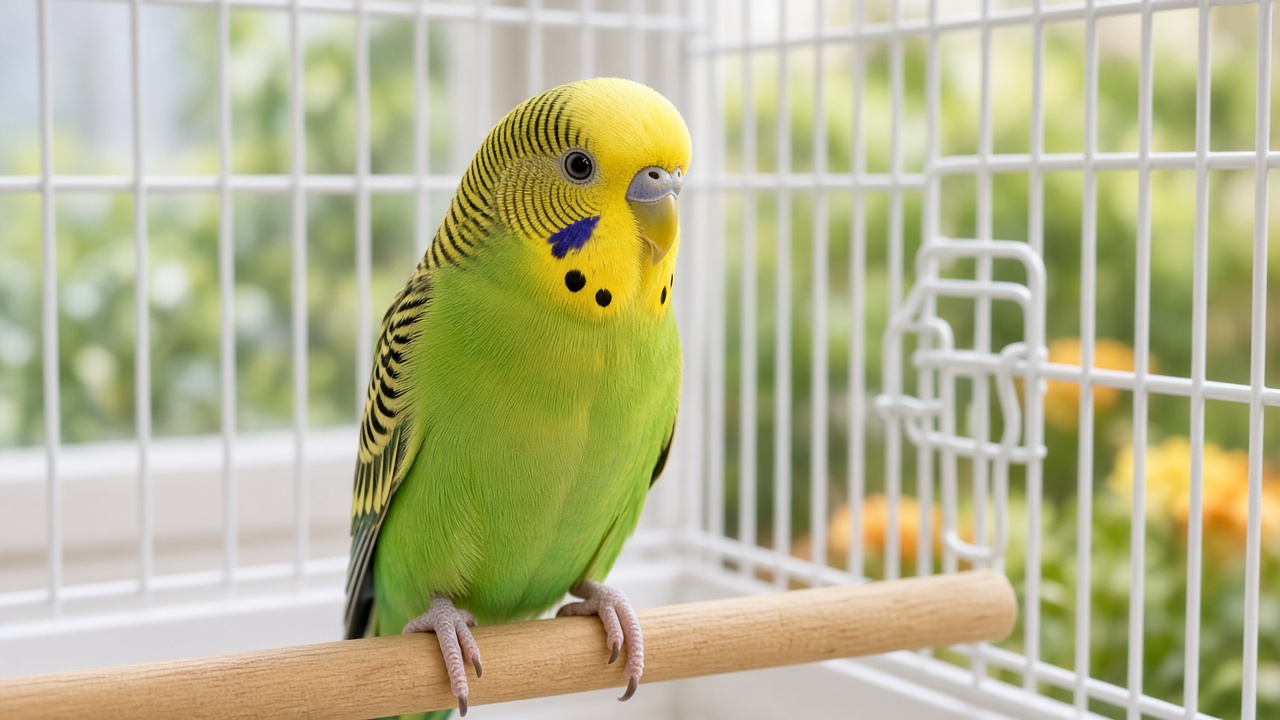
"Is a runny nose in pet birds serious?", "My bird is sneezing and breathing hard — what now?", "Is open-mouth breathing an emergency?" — common questions for bird owners. Birds are experts at hiding illness — by the time you clearly see nasal discharge, open-mouth breathing or tail bobbing, the problem may already be advanced. This guide covers early signs, safer housing, and when to see an avian vet.
Note: This article is for general information only and does not replace veterinary care. Open-mouth breathing, strong tail bobbing, sitting on the cage floor or extreme lethargy are urgent. Do not give human antibiotics or essential-oil "steam" to birds.
Why respiratory signs in birds matter
A bird's airways are small and sensitive to dust, drafts, smoke, chemicals and infection. Sneezing, nasal discharge or abnormal breathing may come from bacteria/viruses/fungi, irritants, poor ventilation or mixed causes. Only a vet can identify the cause — owners should not name the disease from internet checklists.
Unlike dogs and cats, birds often look "fine" until late. Once signs are obvious, prioritize a prompt avian exam instead of waiting days for self-recovery.
Signs of respiratory trouble in pet birds
Watch for combinations, not only a wet nose:
- Sneezing, head shaking, rubbing the beak on feathers/perches.
- Nasal discharge or dirty/crusted nostrils.
- Noisy breathing; open-mouth breathing at rest.
- Tail bobbing with each breath — a sign of breathing effort.
- Faster breathing than usual, wings slightly held out at rest.
- Less activity, fluffed feathers, more sleep, poor appetite or abnormal droppings.
- Voice changes (in species that vocalize), slower response to the owner.
Open-mouth breathing at rest, clear tail bobbing, sitting on the cage floor, or pale/blue visible skin are emergency signs — seek an avian vet ASAP, keep the bird warm and minimize handling stress in transit.
Environment: drafts, dust, fumes and temperature
Housing often contributes more than owners expect:
- Avoid drafts from windows or AC blowing directly on the cage.
- Keep birds away from kitchen smoke, incense, cigarettes, air fresheners, paint and strong cleaners.
- Reduce dusty bedding; choose species-appropriate substrate and change it regularly.
- Keep temperature stable; avoid sudden hot/cold swings; do not leave the cage in harsh sun all day.
- Good airflow without a cutting draft; clean the cage on a routine — see keeping pet birds healthy.
A clean setup helps prevention but does not replace an exam once severe signs appear.
Temporary care before and after the vet visit
While waiting for an appointment or following vet orders:
- Separate a sick bird from others if you keep a group (lower spread and food competition stress).
- Quiet, comfortably warm room with soft light; avoid unnecessary catching.
- Offer fresh water and easy-to-reach food; note intake, droppings and breathing for the vet.
- Do not use human nose drops, essential-oil steaming, incense "for easier breathing," or human antibiotics.
- Bring photos/videos of effortful breathing (tail bob, open mouth) — helpful because clinic stress can temporarily change how signs look.
After the visit: use only species-appropriate medicines at the prescribed dose; recheck as advised; adjust cage placement and cleaning per the vet.
When to see an avian veterinarian
Prefer a clinic/vet experienced with birds when possible. Seek care promptly if you see:
- Open-mouth breathing, tail bobbing, or very rapid breathing at rest.
- Lasting nasal/eye discharge, thick mucus or blood.
- Appetite loss, prolonged fluffing, sitting on the cage floor.
- Multiple birds developing similar signs one after another.
Do not wait for the weekend if a bird is working hard to breathe. Book a vet visit online at partner clinics when you need help scheduling.
FAQ
Can a bird's runny nose infect people?
Some avian respiratory agents can matter for humans depending on the cause. Wash hands after cage cleaning; immunocompromised people or those who are pregnant should ask a human doctor and the vet about risk. Do not self-diagnose from online symptom lists.
Can I buy antibiotics for my bird myself?
No. Bird doses and drugs differ sharply from dogs, cats and people; wrong treatment can harm the bird or delay the right diagnosis.
Is warming the bird enough?
Comfortable warmth helps support the patient but does not treat the cause. Birds with breathing effort still need a vet.
If the home is clean, do I still need a vet?
Good housing lowers irritant risk, but infections and other diseases still occur. Clear respiratory signs still warrant an exam.
How PetID helps
- Store weight notes (if you track them), appetite/dropping changes and cage-cleaning dates.
- Book a vet visit online when respiratory signs appear.
- Learn about the PetCare cost-support plan (cost support at partner clinics — not insurance).
Key takeaways
- Birds hide illness — runny nose, open-mouth breathing and tail bobbing deserve serious attention.
- Check drafts, dust, smoke, chemicals and temperature around the cage.
- Never give human antibiotics or essential-oil treatments to birds on your own.
- Open-mouth breathing / collapse-level lethargy: see an avian vet ASAP.
- Pair clean housing with health notes and timely booking.
Create a PetID profile to log your bird's health notes and book care when needed.