Healthy pet birds: diet, air quality and preventing escapes
Pet birds are very sensitive to smoke and nonstick pan fumes, and can fly off in seconds. How to feed them, keep the air safe, prevent escapes and spot illness.
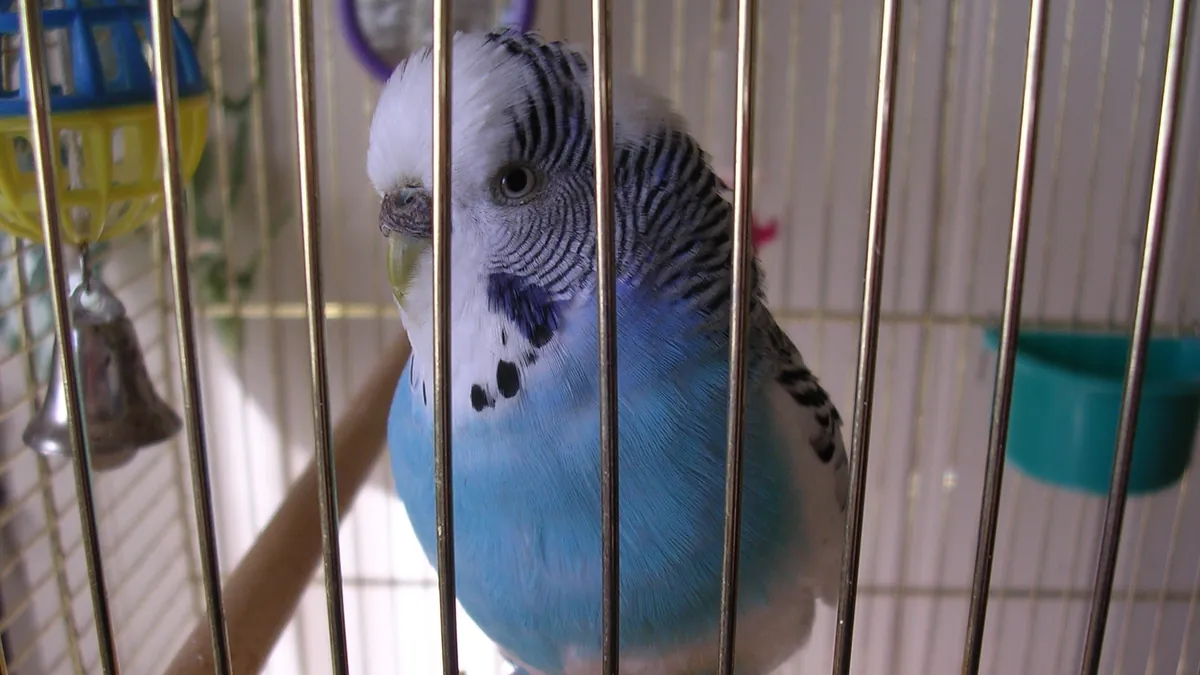
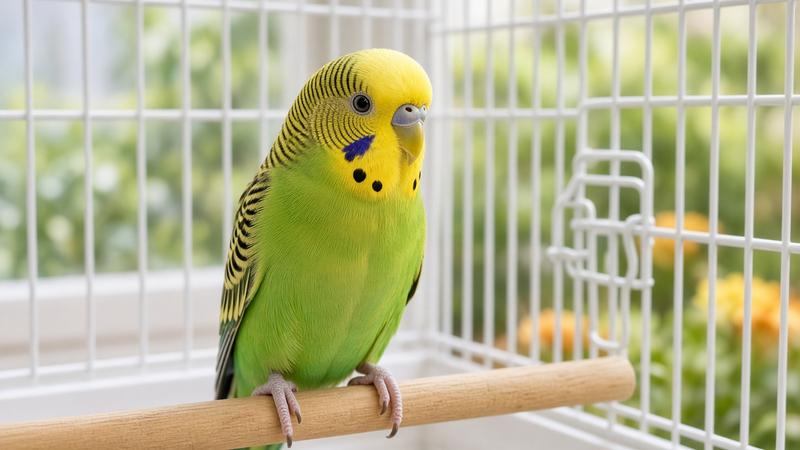
From budgies and cockatiels to songbirds, pet birds bring song and a lot of joy to a home. They are also among the most sensitive pets: their highly efficient lungs make them vulnerable to airborne toxins, their instinct is to hide illness from predators, and one open door is all it takes for them to fly away. Based on advice from the Association of Avian Veterinarians (AAV), VCA and the Merck Veterinary Manual, this guide covers the three things that matter most: diet, air quality and preventing escapes.
Choose a legal, traceable source
Many bird species, especially wild-caught birds, are protected by law. Buy only captive-bred birds from sellers with clear documentation of origin, and avoid trapped birds or birds of unknown origin. A healthy bird is usually alert, with smooth, clean feathers, bright eyes, no nasal discharge, a clean vent area and a steady grip on the perch.
After bringing your bird home, have it checked by a vet experienced with birds. If you already have other birds, ask the vet how to keep the new bird separate for a while before they meet.
Diet: seeds alone are not enough
Many people think birds only need millet or sunflower seeds. According to VCA, seed mixes tend to be high in fat but low in vitamins, minerals and protein. Birds also tend to pick out one or two favourite seeds, which makes deficiencies, obesity and a shorter life more likely.
For budgies, VCA recommends that pellets made for birds make up about 60–80% of the diet, with fresh vegetables, a little fruit and only a small portion of seeds making up the rest. The right balance varies by species, so ask your vet about the species you keep. Switch from seeds to pellets gradually over several weeks, because birds may not recognise pellets as food at first. Watch closely to make sure your bird is still eating enough during the switch.
AAV lists foods that birds should not eat:
- Avocado, which can cause heart failure and fluid in the lungs.
- Chocolate and caffeine, such as coffee and tea.
- Onion, garlic and related plants.
- Salty foods and anything containing xylitol, a sweetener in chewing gum and "sugar-free" sweets.
- Seeds of apples, peaches, plums, apricots and cherries. An occasional apple seed will not cause harm, but do not offer them on purpose.
Many of these also appear in our article on foods that are dangerous for dogs and cats. Change the water every day and wash food and water bowls often, especially in hot, humid weather.
Air quality: the invisible danger
AAV stresses that a bird's respiratory tract is extremely sensitive to airborne chemicals. Products that are almost harmless to people can kill a bird.
The biggest danger is nonstick cookware coated with PTFE (best known as Teflon). When overheated, at about 280°C or above, the coating breaks down and releases colourless, odourless toxic gases. AAV and Merck report that birds kept near the kitchen can die suddenly, sometimes before any signs appear. Small birds such as budgies are the most sensitive. PTFE is also found in some air fryers, irons, ironing board covers, self-cleaning ovens and heat lamps. To stay safe:
- Choose cookware without a PTFE coating, such as stainless steel, cast iron, ceramic or glass.
- Never keep a bird cage in the kitchen, never heat an empty pan, and never leave cooking unattended.
- When cooking, turn on the range hood, open windows and keep your bird in another room away from the kitchen.
Smoke is another danger. AAV warns that all smoke, from cigarettes, burnt food, engine exhaust or a faulty heater, can harm birds, and signs can appear hours later. In Vietnam, also watch out for incense, coal briquette stoves, burning votive paper and smoking near the cage. If you smoke, do it outside and wash your hands before touching your bird. Tet brings fireworks and a lot of smoke, so see our tips on keeping pets safe during Tet.
Other fumes AAV mentions include insect sprays, air fresheners, scented candles, hairspray, paint, nail polish, mothballs and cleaning products such as ammonia and bleach. Move your bird elsewhere during painting or renovation.
If you suspect your bird has breathed in toxic fumes, move it to fresh air immediately and call a vet. Do not wait to see whether it recovers on its own.
Preventing escapes and keeping wings safe
Flying is a bird's most natural form of exercise and, according to AAV, practically its only one. That is why wing trimming should not be a default habit. AAV advises discussing with your vet whether to trim and how. Keep in mind that some small species can still fly after a trim, and feathers grow back after each moult, so a trim is never a guarantee against escape.
Common accidents AAV sees in birds that fly or roam indoors include crashing into windows, mirrors and ceiling fans, flying out through open doors, burns from stoves, drowning in buckets or glasses of water, toes crushed in closing doors, and attacks by dogs and cats. Before opening the cage:
- Close all doors and windows and switch off ceiling fans.
- Move dogs and cats to another room.
- Cover pots of water, close the toilet lid and put away glasses of water.
- Remind everyone at home not to open doors while your bird is out.
Consider a numbered leg band, or ask your vet about microchipping your bird. Take a few clear photos of its feathers and any distinctive marks, note the band number, and keep them with its health records in the PetID app. If your bird ever flies away, you will have photos and details ready to share straight away.
Signs that your bird is ill
VCA explains that by the time a bird shows symptoms, it may have been ill for days or even weeks. Take your bird to a vet right away if you notice:
- Fluffed-up feathers, sleeping more, lethargy, or less singing or calling than usual.
- Sitting on the cage floor instead of perching.
- Difficulty breathing, open-mouth breathing, or the tail bobbing with each breath.
- Droppings that change colour, become fewer or look unusually watery.
- Discharge from the nose or eyes, regurgitation, or matted feathers around the head.
- Loss of appetite or weight. Regular weighing on a digital scale helps you spot problems early.
Never give your bird medicine without a vet's instructions. Not every clinic treats birds, so find a vet experienced with exotic pets or birds before you need one and call ahead. If you keep other exotic pets, also read our guide to keeping reptiles: heat and UVB.
Sources: Association of Avian Veterinarians – Protecting your pet birds from household dangers, AAV – Wing trimming in pet parrots, VCA – Teflon poisoning in birds, VCA – Feeding budgies, VCA – Signs of illness in pet birds, Merck Veterinary Manual – Toxicoses of pet birds.