
FeaturedNutrition & food
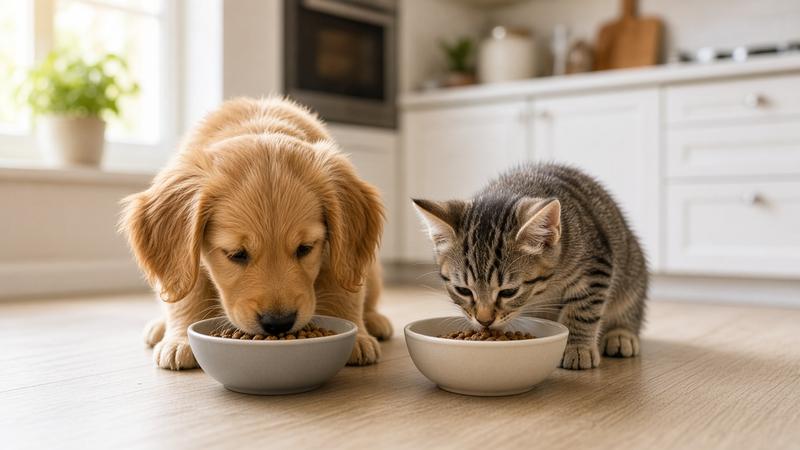
What Should Puppies and Kittens Eat to Grow Healthy and Strong?
Nutrition basics for puppies and kittens: milk and weaning, choosing food, meal frequency and mistakes to avoid.
22/10/20265 min read
The **Pet nutrition** section answers everyday questions: what puppies and kittens should eat, what dogs and cats can and cannot eat, which foods are dangerous, and what to do when your pet stops eating. A diet that fits your pet's age, species and condition is the foundation for healthy growth, a shiny coat and a happy mood. The articles focus on practical advice you can use at home: how to split meals, how to switch foods gradually, how to recognise that a food does not suit your pet, and which common kitchen foods are unsafe for dogs and cats, especially during holidays when food is everywhere. Every pet has different needs. If your pet is pregnant, has a health condition, is overweight or needs a special diet, ask your vet before changing their food. You can also note your pet's diet, weight and health history in the free PetID app to track them over time and share them with your vet.
Nutrition basics for puppies and kittens: milk and weaning, choosing food, meal frequency and mistakes to avoid.
 Nutrition & food
A list of foods that are safe and foods to avoid for dogs and cats, plus what to do right away if your pet eats something dangerous.
 Nutrition & food
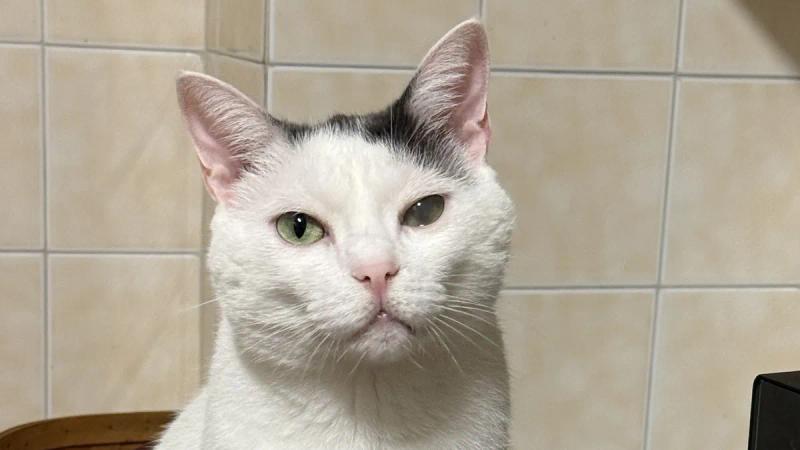
Chocolate, grapes, onion, garlic, xylitol, cooked bones and seasoned leftovers can all harm dogs and cats. Here is what to avoid and what to do right away.