First aid if a dog or cat nearly drowns in flood season
First aid if a dog or cat nearly drowns in a flood: pull them out safely, clear the airway, support breathing, keep them warm and see a vet the same day.
Keep the rescuer safe first
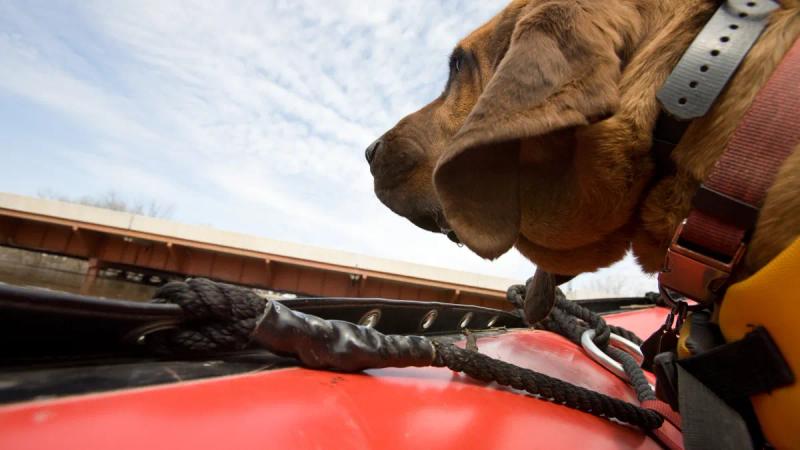
Do not jump into fast-moving water. Use a towel, a shovel or a pole to pull your pet towards shallow ground. If a wet collar is tight around the neck, loosen it. Keep the head lower than the chest so water can drain out.
Clear the airway
Open the mouth and remove any mud, debris or objects you can see. For small dogs and cats, keep the head low and stroke the chest in a steady rhythm. Do not swing or tip your pet hard upside down, because that can injure the neck.
Support breathing if they have stopped
Close the mouth and blow gently into the nose for 2–3 seconds, then repeat. If there is no pulse, start chest compressions following veterinary guidance (about 100–120 per minute for a small dog). Call the clinic while someone drives you there.
Warm them and watch for delayed illness
Wrap your pet in a dry towel and keep a hot hair dryer away from the skin. Even if they come round, they still need a vet: pneumonia from inhaled water can appear hours later. Save a night-clinic number in your PetID profile before the rainy season starts.
What should the rescuer do before pulling a pet out?
Never jump into fast water. Drain openings, deep ditches and rivers after heavy rain are exactly where an owner can be swept away along with their pet. Use a towel, a shovel or a pole to bring your pet into the shallows, and stand on firm ground while you do it.
Once your pet is on shallow ground, loosen a wet collar if it is squeezing the neck. Keep the head lower than the chest so water can drain, and do not stand your pet upright. If there are two of you, one person holds that position while the other calls the clinic.
The night-clinic number should already be saved in the PetID app, so you are not scrolling through old messages with wet hands. The QR tag is not a priority at this moment. Once your pet has been through the steps below, wipe the code dry and put the collar back on, so whoever drives you can scan it and reach you.
How should you clear the mouth?
Open the mouth and remove the mud, debris and objects you can see. For a small dog or a cat, keep the head low and stroke the chest in rhythm. Do not tip your pet hard upside down, as this can hurt the neck.
Do not push any tools into the throat. Only remove what you can see in the mouth, using clean hands.
While you work, say out loud what time your pet was pulled out of the water, so the person calling the clinic can pass it on. The vet needs that time far more than a rough guess like "a while".
What if your pet stops breathing?
Close the mouth, breathe gently into the nose for 2–3 seconds and repeat. If there is no pulse, follow veterinary guidance on chest compressions, about 100–120 per minute for a small dog, and call the clinic on the way. Stick to these steps. Do not change the rhythm on your own and do not give any medicine.
If a vet has never shown you how to do chest compressions, your priority is to get to a clinic straight away and tell them when your pet stopped breathing. Do not stop on the way to try other methods.
When possible, have one person drive and another hold your pet. Note whether your pet is coughing, breathing or lying still, so you can tell the vet as soon as you walk in.
Why see a vet even if they wake up?
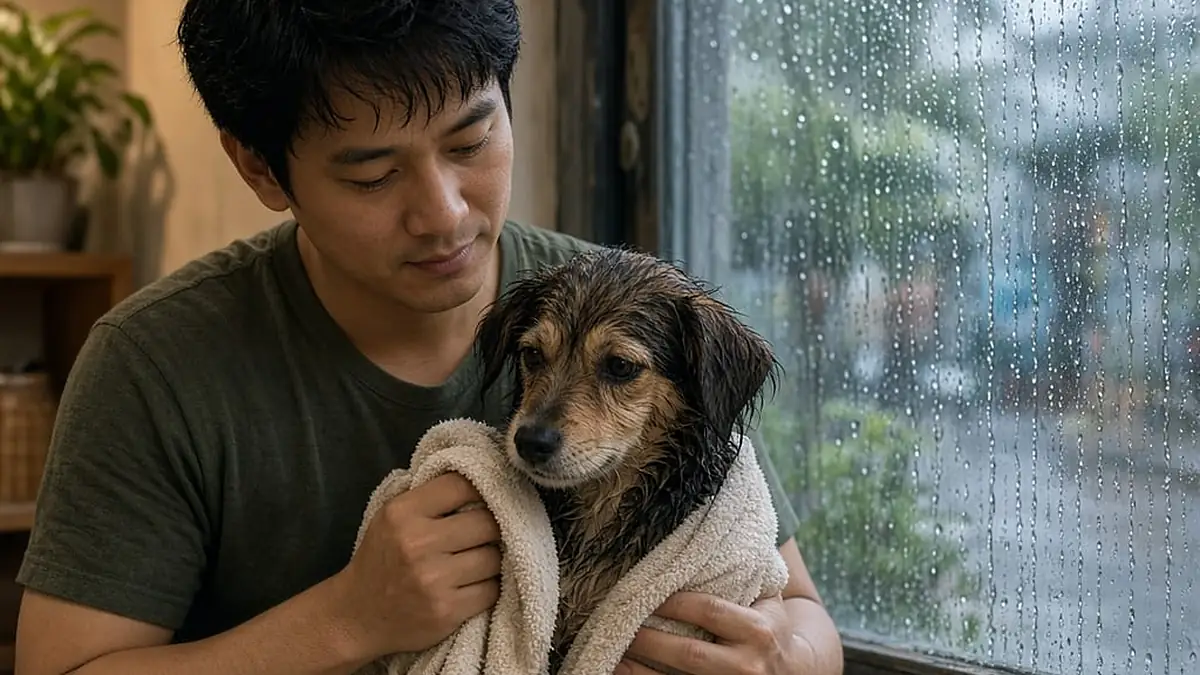
Wrap your pet in a dry towel and keep a hot dryer off the skin. Open eyes do not mean the danger is over. Pneumonia caused by inhaled water can appear hours later, so your pet still needs a vet the same day.
Keep a dry towel in the car. Tell the vet how long your pet was in the water and which of the steps above you carried out. First aid at home only covers the airway and keeping warm. The vet decides everything else.
Back home, record the incident in your PetID profile: the date, where it happened and which clinic you went to. Next rainy season you will not have to rely on memory. Only put the collar back on once it is dry and no longer tight.
What should you save before the rainy season?
Save a night-clinic number in your PetID profile before the rains arrive. Add the name of someone who is allowed to take your pet to the vet, because you will not always be home. Check yard gates, drain covers and deep water containers: a small pet can slip into a deep basin.
When streets are flooded, walk your pet on a short leash and never let them off. Keep a large towel near the door. None of this replaces the four first-aid steps above.
A QR collar tag lets the person driving your pet see your number with one scan. It is not a first-aid tool. At the start of each season, open the app and check the clinic number once. For a full flood-season plan, read our guide to keeping dogs and cats safe in storm and flood season, and if your pet runs off during a storm, follow these 7 steps to find a lost dog or cat. Cold, wet weather also brings its own risks: see caring for pets in cold weather.