Spaying and Neutering Dogs and Cats: Benefits, Timing and Post-Op Care
An overview of spaying and neutering dogs and cats: benefits, when to ask your vet, preparing for surgery and caring for your pet at home afterwards.

Spaying and neutering are among the topics dog and cat owners search for most: should I do it, at what age, will it change my pet's personality, and how do I care for it after surgery? This article gives you an overview to prepare before talking with your vet.
Note: This is general information. Whether to spay or neuter, when, and how should be advised by a vet based on your pet's breed, age, weight and health.
What is spaying and neutering?
It is surgery that prevents a pet from reproducing:
- For females (spaying): the vet usually removes the ovaries, sometimes with the uterus.
- For males (neutering): the vet removes the testicles (castration).
It is done under general anaesthesia and is common at vet clinics. Pets usually go home the same day or after a short observation period, depending on the vet's advice.
Commonly mentioned benefits
- Prevents unplanned litters, helping reduce the number of abandoned dogs and cats.
- Reduces heat-related behaviour: female cats yowling, male cats roaming, fighting and spraying urine to mark territory; male dogs running off to find a mate.
- Helps prevent some reproductive diseases, such as uterine disease in females or testicular disease in males. Your vet will explain the specific benefits for your pet.
- No more heat cycles in females, making care at home easier.
Things to consider
- Weight gain: after surgery, many pets' energy needs change. Adjust portions and increase exercise.
- Anaesthesia and surgical risks: as with any surgery, there is some risk. Your vet may recommend a general exam and pre-surgery tests.
- Timing for large breeds: for some large dog breeds, the vet may advise waiting longer to suit bone and joint development.
- Personality: spaying or neutering doesn't change your pet's basic personality. Hormone-driven behaviours may decrease, but established habits still need training.
When is the right time?
There is no single age for every pet. Timing usually depends on:
- Species (dog or cat)
- Breed and expected adult size
- Sex
- Current health and vaccination schedule
The best approach is to ask your vet during the first checkups and vaccinations so you can plan ahead. If your pet is in heat, pregnant or unwell, the vet may suggest a different time.
Preparing for surgery day
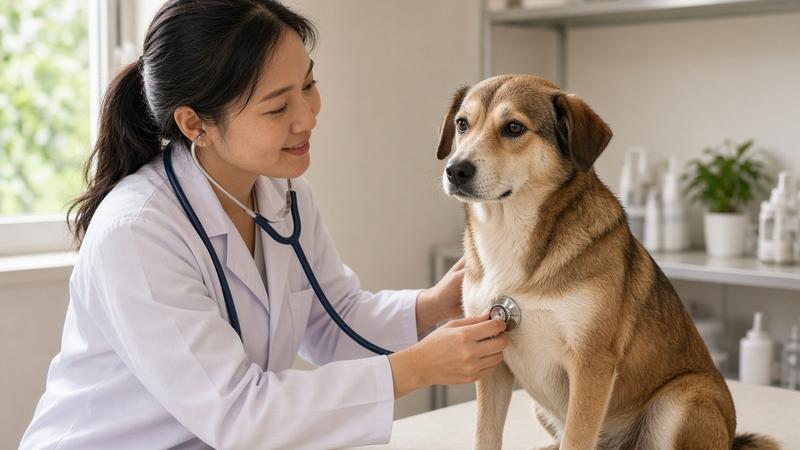
- Visit and talk with the vet: ask about the procedure, the tests needed and how long your pet will stay at the clinic.
- Fast as instructed: the vet will tell you exactly how long to withhold food and water. Don't rely on word-of-mouth advice.
- Prepare a resting place: a clean, quiet, warm bed, away from places your pet would have to jump up to.
- Get a recovery cone (Elizabethan collar) or a post-surgery suit if your vet recommends one.
- Bring your pet's vaccination book and health record.
Care after surgery
- Keep your pet calm: limit running, jumping and climbing for as long as your vet advises.
- Don't let your pet lick or bite the wound: use a cone or protective suit.
- Keep the wound clean and dry: no bathing until your vet says it's fine.
- Reintroduce food and water as instructed: usually starting with small amounts.
- Give medicine exactly as prescribed: only what your vet prescribes. Never give human painkillers, as many are toxic to dogs and cats.
- Go to follow-up appointments to check the wound and remove stitches if needed.
When to contact your vet immediately
- The wound is very swollen, bleeding, oozing, smelly or open.
- Your pet stays lethargic, won't eat or vomits a lot.
- Abnormal breathing or pale gums.
- Clear pain or constant whimpering.
Frequently asked questions
Will my pet become lazy after surgery?
Some pets may be less active due to changes in hormones and energy. Keeping up play, walks and sensible portions helps maintain a stable weight.
How much does spaying or neutering cost?
Costs vary by clinic, species, sex, weight and the tests involved. Ask the clinic directly for a quote.
Do indoor cats need to be spayed or neutered?
Indoor cats still go into heat and may yowl or spray. Ask your vet to help you decide.
Book and record the surgery with PetID
With the PetID app, you can find a vet clinic near you, view its details and book a checkup or a spay/neuter consultation right in the app. After surgery, log the surgery date, follow-up appointments and weight in your pet's digital profile for long-term tracking. Some vet costs may be considered under a PetCare plan with pet care cost support, according to the plan's terms; see the details in the app.
Conclusion
Spaying or neutering is an important decision with many benefits, but it needs careful preparation and proper aftercare. Talk with your vet to choose the best time for your pet.